
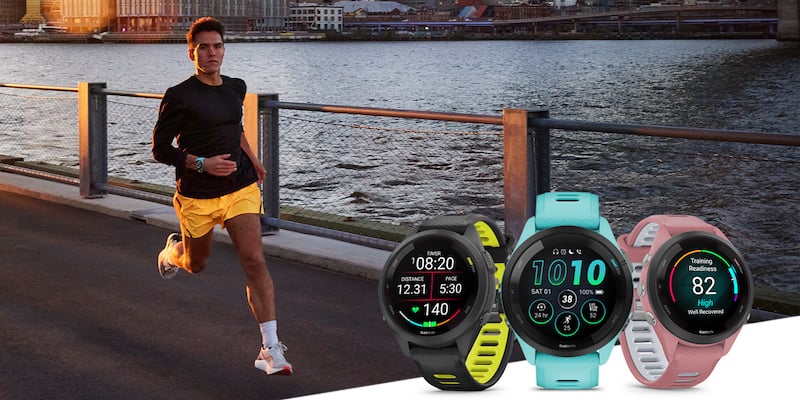
Best Fitness Trackers for Marathon Training. Training for a marathon is a journey of thousands of miles, hundreds of hours, and one singular goal: crossing the finish line stronger than you started.
In 2026, the technology on your wrist has evolved from simple GPS tracking into a comprehensive “digital coach” that can predict your race time, tell you when to rest, and even guide you through complex interval sessions with real-time feedback.
For the serious runner, a basic step counter won’t cut it. You need precision, durability, and deep data. Whether you are aiming for a Boston-qualifying time or completing your very first 42.195-kilometer challenge, choosing the right partner for your wrist is critical.
Here is the definitive guide to the best fitness trackers for marathon training in 2026.
1. The Gold Standard: Garmin Forerunner 970
The Garmin Forerunner 970 has solidified its place as the premier choice for marathoners. Building on the success of the legendary 965, the 970 introduces even more refined sensors and a breathtaking AMOLED display that remains visible even under the harsh midday sun.
Why It’s Perfect for Marathoners:
- Training Readiness Score: This feature is a lifesaver during peak mileage weeks. It combines your sleep quality, recovery time, and acute training load to tell you if you should push for that tempo run or take an extra rest day.
- Multi-Band GNSS with SatIQ: In 2026, GPS accuracy is non-negotiable. Whether you’re training in the “urban canyons” of New York City or under heavy tree cover, the Forerunner 970 locks onto satellites instantly and stays accurate to the meter.
- Full-Color Mapping: If you’re traveling for your marathon, the pre-loaded TopoActive maps allow you to explore new running routes without the fear of getting lost.
2026 Update:
The 970 now features Garmin Run Coach 2.0, which provides adaptive training plans that adjust in real-time based on your performance. If you miss a run due to work or injury, the watch automatically recalibrates your entire schedule to keep you on track for race day.
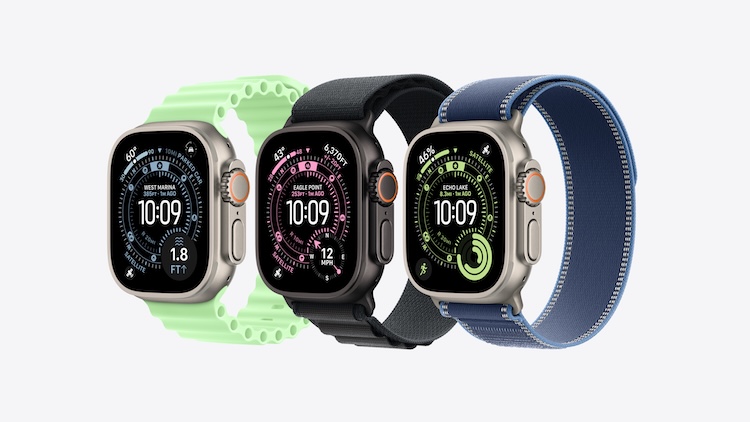
2. The Smartwatch Powerhouse: Apple Watch Ultra 3
For runners who want a device that works as hard in the office as it does on the track, the Apple Watch Ultra 3 is the undisputed champion. It bridges the gap between a high-end lifestyle smartwatch and a ruggedized endurance tool.
Why It’s Perfect for Marathoners:
- Precision Start: One of the best updates for 2026, this allows you to wait for a full GPS and heart-rate lock before the countdown begins, ensuring your marathon data is clean from the first step.
- The Action Button: This customizable physical button is a favorite for runners. You can set it to mark laps instantly—essential for track repeats where sweaty fingers might struggle with a touchscreen.
- Ecosystem Integration: The ability to stream music, take emergency calls via satellite, and pay for a post-run coffee without carrying a phone is a massive convenience for long-distance training.
2026 Update:
The Ultra 3 features the new S10 Silicon chip, which significantly improves battery efficiency. You can now easily finish a 4-hour marathon with the always-on display active and still have 50% battery remaining for the rest of the day.
3. The Value Champion: COROS Pace 4
If you want pro-level stats without the $600+ price tag, the COROS Pace 4 is the industry disruptor of 2026. COROS has always focused on “everything you need, nothing you don’t,” and the Pace 4 delivers on that promise with a stunning new AMOLED screen.
Why It’s Perfect for Marathoners:
- Weightless Design: At just over 30 grams, it is one of the lightest GPS watches on the market. During the final 10 kilometers of a marathon, you won’t even notice it’s there.
- The COROS Training Hub: Buying the watch gives you free access to an elite-level web platform where you can analyze your “Running Power” and “Training Load” in minute detail.
- Battery Longevity: Despite its slim profile, the Pace 4 offers 41 hours of continuous GPS use—enough to cover several weeks of training on a single charge.
2026 Update:
The Pace 4 now includes Turn-by-Turn navigation, a feature previously reserved for their more expensive models. This is perfect for runners who like to download “GPX” routes of their upcoming marathon course to practice the turns.
4. The Endurance Beast: Garmin Enduro 3
For the marathoner who also dabbles in ultramarathons or “Backyard Ultras,” the Garmin Enduro 3 is built for infinite stamina.
Why It’s Perfect for Marathoners:
- Solar Charging: The Power Sapphire lens harvests sunlight, extending the battery life to an incredible 320 hours in GPS mode. You could run from Los Angeles to New York and the watch might still have juice.
- Built-in Flashlight: For those training in the early winter mornings or late nights, the integrated LED flashlight is a genuine safety feature that helps you see the path and stay visible to cars.
- Rugged Durability: It meets military standards for thermal, shock, and water resistance. It’s a tank for your wrist.
5. The Aesthetics Choice: Suunto Race S
Suunto has made a massive comeback in 2026 with the Suunto Race S. Known for its Finnish design heritage, this watch is as beautiful as it is functional, tailored specifically for those with slightly smaller wrists who still want high-performance metrics.
Why It’s Perfect for Marathoners:
- ZoneSense: This proprietary Suunto technology uses heart rate variability (HRV) to detect exactly which “intensity zone” you are in during a run, helping you avoid the dreaded “gray zone” training that leads to burnout.
- Digital Crown: Instead of just buttons, the Race S uses a tactile crown that makes scrolling through long lists of data fields effortless, even while running at a 4:00/km pace.
Key Features to Look For in 2026
When making your final decision, prioritize these four categories:
- Recovery Metrics: Marathon training isn’t just about the running; it’s about the resting. Ensure your watch tracks HRV (Heart Rate Variability) and provides a Sleep Score.
- Dual-Frequency GPS: This is the standard in 2026. It ensures your pace doesn’t “jump” when you run under bridges or near tall buildings.
- Training Load Balance: Your watch should tell you if you are doing too much “High Aerobic” work and not enough “Low Aerobic” base building.
- Wrist-Based Running Power: This metric measures the effort you are putting in (in Watts), which is often more accurate than heart rate for pacing on hilly marathon courses.
Conclusion
The “best” watch is ultimately the one that disappears on your wrist and gives you the data you need at a glance. For pure performance and deep analytics, the Garmin Forerunner 970 remains the king. If you value a lifestyle-first approach with rugged capability, the Apple Watch Ultra 3 is unbeatable. And for those who want the best bang-for-your-buck, the COROS Pace 4 is the smart runner’s choice.
Whichever you choose, remember that the watch provides the data, but you provide the grit. Happy training!