

Why Everyone is Quitting the Gym for Pickleball Clubs, The fitness world is undergoing a massive transformation that few saw coming a decade ago. While rows of treadmills and weight benches once defined our health routines, a new sound is filling the air.
The distinct “pop” of a plastic ball hitting a paddle has become the soundtrack of a modern movement. People are leaving their traditional gym memberships in record numbers to join local pickleball clubs.
This shift is not just a passing fad; it represents a fundamental change in how we view exercise. What was once a niche backyard game is now a multi-billion-dollar industry reshaping our social and physical lives.
The Great Migration to the Court
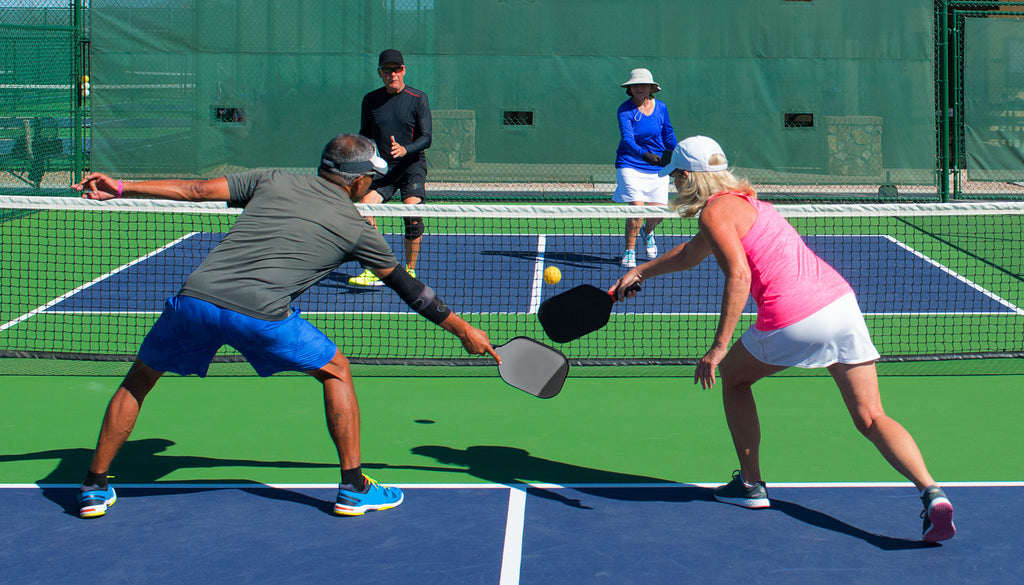
For years, the standard gym model relied on a solitary experience where members wore headphones and avoided eye contact. However, the isolation of modern life has created a deep hunger for genuine human connection. Pickleball clubs offer exactly what the traditional gym lacks: a vibrant and welcoming community. Instead of staring at a television screen while running in place, players engage in lively, fast-paced matches. The social structure of these clubs makes the workout feel like a secondary benefit to the fun. Consequently, the “dread” often associated with a trip to the gym is replaced by genuine excitement.
Breaking the Boredom of Traditional Workouts
One of the primary reasons for the gym exodus is the repetitive nature of weightlifting and cardio machines. Lifting the same weights or walking the same virtual trail can lead to mental burnout very quickly. Pickleball, on the other hand, offers a dynamic environment where no two rallies are exactly the same. The game requires constant strategic thinking, quick reflexes, and total physical engagement from start to finish. This mental stimulation keeps the brain active while the body works up a significant sweat. In addition, the competitive nature of the sport provides a natural “hook” that keeps people coming back.
Functional Fitness Without the Grind
Traditional gym workouts often focus on isolated muscle groups through rigid movements on stationary machines. Pickleball encourages functional fitness by requiring lateral movement, lunges, and rapid directional changes. This type of activity improves balance and coordination in ways that a bicep curl simply cannot match. You are constantly pivoting, reaching, and adjusting your stance to respond to an opponent’s shot. Furthermore, the sport provides an excellent cardiovascular workout that feels much less taxing than a treadmill session. What’s interesting is how players can burn hundreds of calories without ever checking the clock.
The Social Hub of the 21st Century
Modern pickleball clubs have evolved into much more than just a place to play a sport. Many facilities now feature lounge areas, juice bars, and even co-working spaces to cater to their members. They have effectively become “third places”—social environments outside of home and work where people can truly belong. Unlike the gym, where you might see the same faces for years without ever speaking, pickleball requires communication. You are constantly rotating partners and meeting new people during open-play sessions. This built-in social network is a powerful deterrent against the loneliness often found in urban environments.
Inclusivity Across All Generations
What sets pickleball apart from other high-intensity sports is its incredible accessibility for all ages. The smaller court size and underhand serves make it easy for beginners to pick up the basics in minutes. You will often see teenagers playing alongside retirees, creating a unique multigenerational bond. This inclusivity removes the intimidation factor that often keeps people away from “hardcore” fitness centers. Younger athletes enjoy the fast-paced volleys, while older players appreciate the low-impact nature of the game. In addition, the sense of accomplishment from improving your skills is a massive boost to self-esteem.

The Financial Shift in Fitness Spending
As inflation impacts household budgets, many consumers are re-evaluating the value of their monthly subscriptions. A luxury gym membership can cost hundreds of dollars a month for amenities you may never use. Pickleball clubs often offer more flexible “pay-as-you-play” models or tiered memberships that feel more equitable. Many players find that they get more “bang for their buck” by investing in court time and social events. Furthermore, the equipment costs for pickleball are relatively low compared to other hobbies like golf or cycling. A single paddle and a pair of good court shoes are all you need to get started.
The Rise of the Indoor Mega-Club
The growth of the sport has led to the creation of massive indoor facilities that offer year-round play. These climate-controlled “mega-clubs” have taken over former big-box retail spaces and warehouses across the country. They provide a consistent environment that is not subject to the whims of wind or rain. For many, the reliability of an indoor court is much more appealing than an outdoor public park. These clubs also offer professional coaching, structured leagues, and high-quality lighting for night games. Consequently, the professionalization of the sport is attracting a higher caliber of athlete to the community.
Health Benefits That Go Beyond the Scale
While weight loss is a common goal, the holistic health benefits of pickleball are becoming better understood. The rapid decision-making required during a “dink” battle at the net is excellent for cognitive health. Studies suggest that the social engagement found in racket sports can significantly increase life expectancy. It combines the benefits of aerobic exercise with the stress-reducing effects of play and laughter. Many players report improved sleep and reduced anxiety after a few hours on the court. In addition, the low-impact nature of the sport is much gentler on the joints than running on concrete.
Preventing Burnout and Staying Consistent
Consistency is the most important factor in any fitness journey, and pickleball makes it easy to stay on track. Most people quit the gym because they find it boring or lonely, leading to a loss of motivation. Because pickleball is a social commitment, you are much more likely to show up for your scheduled games. Your partners and opponents provide a level of accountability that a solo workout simply cannot offer. You aren’t just going to exercise; you are going to see your friends and engage in a shared passion. Furthermore, the “leveling up” aspect of the sport provides a clear path for progress and achievement.

The Future of the Fitness Industry
The massive success of pickleball is forcing traditional gyms to adapt or risk becoming obsolete. Some fitness centers are now ripping out rows of machines to install their own permanent courts. We are seeing a shift toward “sport-based fitness” where the activity itself is the primary draw. This trend suggests that the future of health will be much more interactive and community-focused. Brands that prioritize the “fun factor” are winning the hearts and wallets of a new generation. In addition, the integration of technology like swing-analyzers and digital scoring is making the sport even more engaging.
Why You Should Make the Switch Today
If you find yourself dragging your feet to the gym every morning, it might be time for a change. Life is too short to spend your precious free time on a piece of equipment that makes you miserable. Joining a pickleball club offers a chance to revitalize your health while expanding your social circle. You don’t need to be a natural athlete to enjoy the game and reap the rewards. The welcoming atmosphere of the pickleball community ensures that you will feel at home from day one. However, be warned: once you start playing, you might find it hard to ever go back to a treadmill.