

How Your Smartwatch Can Predict Burnout Before You Feel It, The modern workplace moves at a pace that often outruns our natural ability to recover. Burnout rarely arrives as a sudden explosion; it usually begins as a quiet, invisible erosion of our physical and mental reserves.
By the time we feel the heavy exhaustion of burnout, our bodies have been struggling for weeks or months. Fortunately, the technology strapped to your wrist is becoming a sophisticated early warning system for your nervous system.
Modern smartwatches now track biological signals that reveal the exact moment your body begins to redline. Understanding these metrics allows you to intervene before a temporary period of stress turns into chronic burnout.
The Invisible Shift in Your Physiology
Our bodies possess an incredible ability to mask stress through the production of adrenaline and cortisol. You might feel productive and energized while your internal systems are actually operating in a state of high alert. This “faking it” phase is exactly where most people miss the opportunity to rest. A smartwatch bypasses your subjective feelings and looks directly at your autonomic nervous system’s performance. It tracks how well you transition between the “fight or flight” state and the “rest and digest” state. This data provides an objective mirror of your true internal capacity for work and stress.
Heart Rate Variability: The Golden Metric
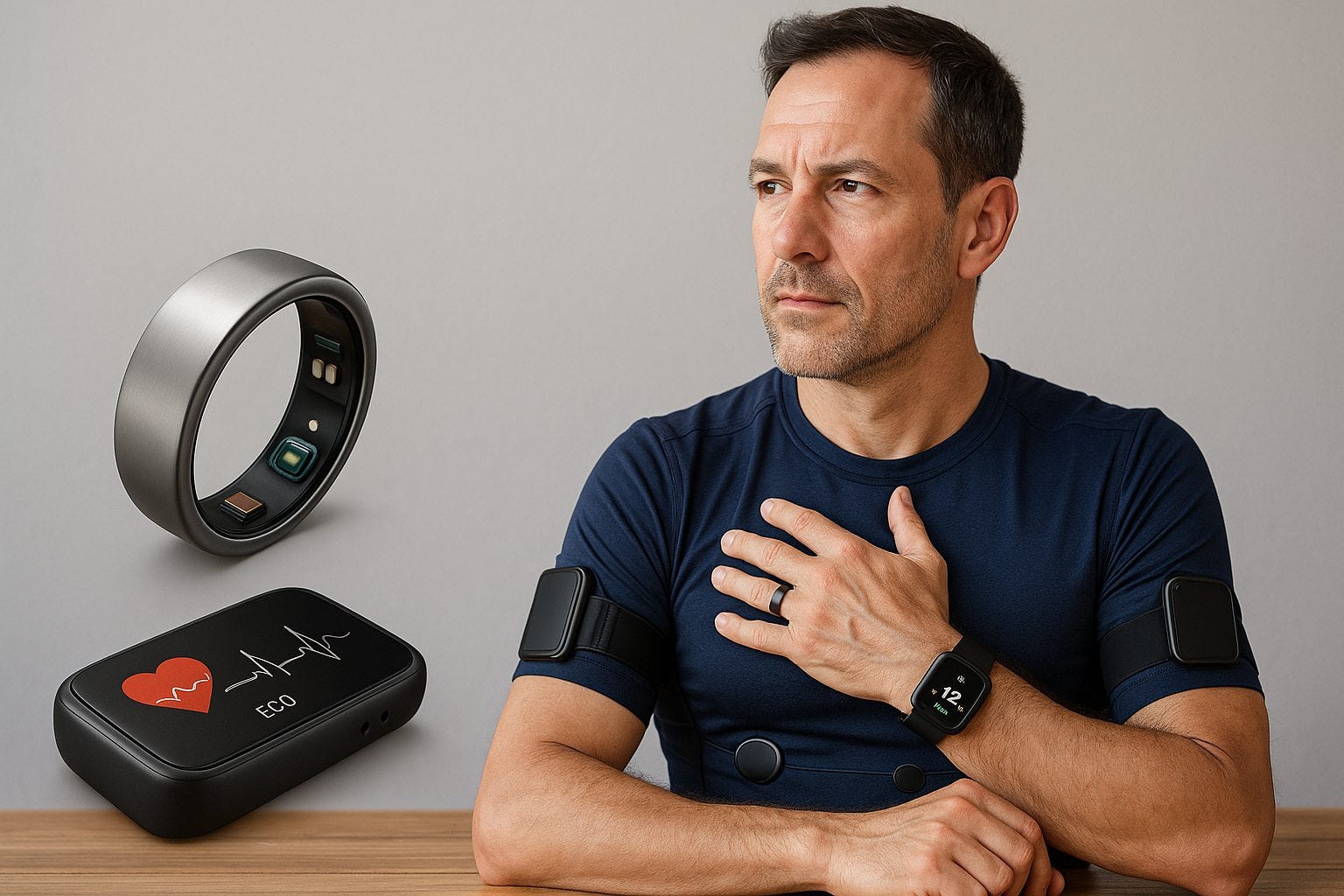
Heart Rate Variability, or HRV, is the most critical metric for predicting burnout in the year 2026. HRV measures the tiny variations in time between each individual heartbeat, which reflects your nervous system’s balance. A high HRV indicates that your body is resilient, flexible, and ready to take on new challenges. Conversely, a consistently low HRV suggests that your sympathetic nervous system is stuck in an “on” position. This signifies that your body is struggling to recover from previous stressors. What’s interesting is that your HRV often drops days before you feel any conscious symptoms of fatigue.
Recognizing the Downward HRV Trend
Individual days of low HRV are normal and usually follow a hard workout or a poor night’s sleep. However, a downward trend over a week is a significant red flag for impending burnout. If your smartwatch shows a “stagnant” or “declining” HRV baseline, your recovery is no longer keeping pace with your output. This metric acts as a physiological “check engine” light for your brain and heart. It tells you that your central nervous system is becoming overwhelmed by your current lifestyle demands. Furthermore, tracking this trend allows you to adjust your workload before your performance begins to suffer significantly.
Sleep Architecture and Recovery Quality
Burnout is as much about the quality of your rest as it is about the intensity of your work. Most people track sleep duration, but smartwatches now provide deep insights into your specific sleep stages and disturbances. Deep sleep and REM sleep are vital for physical repair and emotional processing respectively. When you are nearing burnout, your “Restlessness” score often increases even if you stay in bed for eight hours. Your heart rate may also stay elevated for the first half of the night, indicating high “stress” during sleep. This means your body is working overtime just to keep you alive rather than actually repairing itself.
The “Body Battery” and Energy Forecasting
Many modern wearables use a “Body Battery” or “Readiness Score” to simplify complex data for the average user. This feature calculates your energy reserves by analyzing your activity, stress, and sleep cycles throughout the day. If you wake up with a score of 60 out of 100, your body has not fully recovered. Starting a high-pressure day with low reserves is a fast-track ticket to chronic exhaustion and irritability. Using this score helps you decide when to push hard and when to prioritize a lighter schedule. In addition, it teaches you to listen to your biological data rather than just your professional calendar.

Resting Heart Rate and Chronic Inflammation
Your resting heart rate (RHR) is another powerful indicator of how much strain your heart is currently under. Under normal conditions, your RHR should remain relatively stable within a specific range for your fitness level. If you notice your RHR slowly creeping up by five or ten beats per minute, pay close attention. An elevated RHR often points to systemic stress or low-grade inflammation within the body’s tissues. This is a common physical manifestation of prolonged mental and emotional pressure from a demanding job. Consequently, a rising RHR is often the final warning sign before a complete physical collapse or illness.
The Role of Respiratory Rate Monitoring
Smartwatches have recently improved their ability to track subtle changes in your nighttime respiratory rate. A higher-than-average breathing rate during sleep can signal that your body is under significant physiological stress. This often occurs when your brain is unable to “switch off” from the problems of the previous day. Increased respiration is a sign that your metabolism is staying elevated during a time meant for total stillness. Monitoring this specific metric provides a more holistic view of your body’s struggle to find internal balance. Furthermore, it can help identify early signs of stress-induced respiratory tension or anxiety-related breathing patterns.
Stress Tracking and Real-Time Interventions
Newer wearables utilize electrodermal activity (EDA) sensors to detect tiny changes in skin perspiration related to stress. When you experience a sudden spike in stress, your watch can send a prompt for a “Breathing Session.” These real-time alerts are vital for breaking the cycle of high-cortisol production during the workday. Taking a two-minute break to regulate your nervous system can prevent the accumulation of “micro-stress.” Over time, these micro-stresses aggregate to form the foundation of total professional burnout. What’s interesting is how these small interventions can actually preserve your focus and long-term productivity.
Predictive Analytics and Burnout Forecasting
In 2026, many health apps have integrated AI to provide actual “Burnout Forecasts” based on three months of data. These algorithms look for patterns that historically precede a total loss of motivation and physical energy. They might notice that your steps are decreasing while your “Stress Moments” are increasing throughout the week. The AI can then warn you that you are on a path toward burnout within the next fourteen days. This proactive approach turns your smartwatch from a reactive tracker into a true digital health coach. However, the effectiveness of this technology still depends on your willingness to actually take the suggested rest.
Behavioral Changes and Digital Biomarkers
Smartwatches also track behavioral “digital biomarkers” that indicate a change in your mental health and motivation levels. A sudden drop in your “Daily Move” goal often indicates a loss of the “get up and go” energy. If you are normally active but suddenly find yourself sedentary, your brain may be trying to conserve limited energy. Changes in your social engagement or the frequency of your workouts also provide clues for the watch’s software. These subtle shifts in routine are often the first outward signs of a declining mental state. In addition, these biomarkers help build a complete picture of your overall well-being beyond just heart metrics.
Syncing with Your Professional Calendar
Advanced productivity apps can now sync with your smartwatch data to help manage your professional schedule. If your watch detects that your HRV is in the “red zone,” the app might suggest rescheduling intense meetings. It can automatically block out “Deep Work” or “Rest” periods in your calendar based on your recovery scores. This integration creates a workspace that respects the biological limits of the human body and mind. It shifts the focus from “working harder” to “working at the right time” for your unique physiology. Furthermore, this data-driven scheduling reduces the guilt often associated with taking necessary breaks during a busy day.

Taking Action on the Watch’s Advice
Data is only useful if it leads to a meaningful change in your daily habits and environment. If your watch warns you of high stress, you must be willing to actually step away from the screen. This might mean going for a short walk or practicing five minutes of mindful meditation in silence. It could also mean setting stricter boundaries with your email or your evening work commitments. Burnout prevention is a proactive choice that requires listening to the signals your body is sending. Consequently, your smartwatch serves as the bridge between your high-pressure life and your physical health.
The Future of Bio-Synchronous Work
We are moving toward an era where work will be synchronized with our biological rhythms and recovery states. Companies are beginning to realize that a burnt-out employee is an unproductive and expensive liability to the firm. Providing employees with wearables and encouraging them to follow the data is becoming a standard corporate wellness practice. This shift promotes a culture of “sustainable high performance” rather than one of endless, grinding “hustle.” Your smartwatch is the primary tool leading this revolution toward a more humane and balanced professional world. Ultimately, it empowers you to take control of your health before the damage becomes permanent.
Final Thoughts on Wearable Wellness
The technology behind burnout prediction is maturing at a perfect time for our high-stress society. While no device can replace professional medical advice, a smartwatch offers unparalleled daily insights into your health. It helps you quantify the “un-quantifiable” feeling of being overwhelmed and gives it a clear number. Use your data as a tool for self-compassion and as a reason to prioritize your recovery every day. Protecting your nervous system is the most important investment you can make in your long-term career. Your smartwatch is simply the guardian that helps you stay on the right side of the line.