
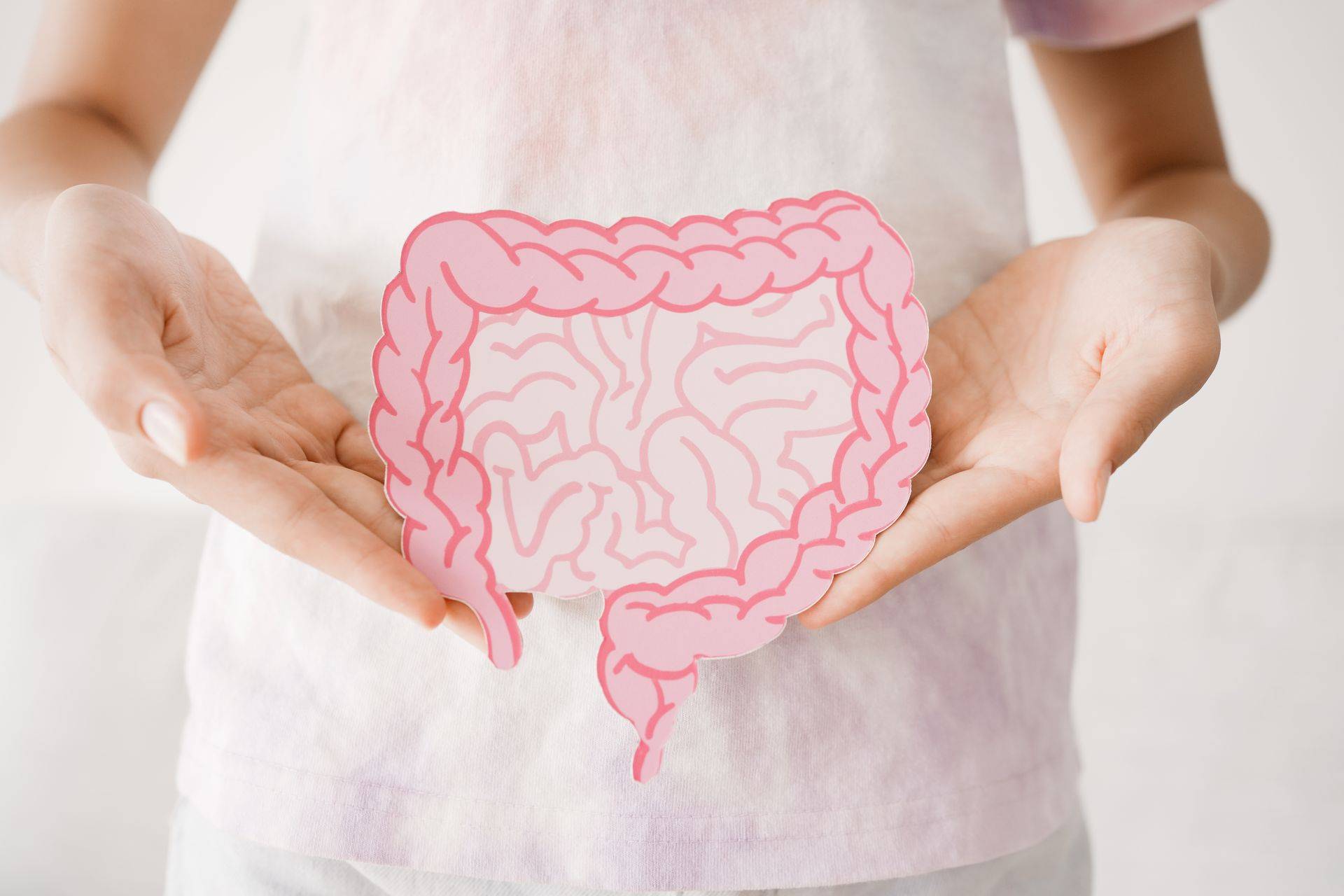
Best Women’s Probiotic for Gut Health. Digestive wellness has become a cornerstone of modern health conversations, and for good reason. The gastrointestinal tract is not merely a conduit for nourishment; it is a dynamic ecosystem influencing immunity, hormonal balance, nutrient absorption, and even mental clarity.
For women, whose physiology is shaped by cyclical hormonal shifts, life-stage transitions, and unique microbiome patterns, gut health takes on added complexity. This complexity has fueled a growing interest in probiotics specifically formulated for women, with scientific research increasingly guiding product development and consumer choice.
We explores the scientific foundations behind women’s probiotics, explains what distinguishes them from generic formulations, and examines how evidence-based strains contribute to digestive equilibrium. The goal is to illuminate how science informs the selection of effective probiotics and why certain formulations stand out in a crowded marketplace.
Understanding the Female Gut Microbiome
The human gut microbiome is an intricate constellation of trillions of microorganisms. While all humans share core bacterial phyla, women tend to exhibit distinct microbial signatures influenced by estrogen levels, reproductive health, and immune modulation. These microbial differences are not incidental; they actively shape digestion, metabolism, and systemic inflammation.
Research indicates that fluctuations in estrogen can alter gut permeability and bacterial composition. During phases such as menstruation, pregnancy, and menopause, these shifts may intensify digestive discomfort or inflammatory responses. A probiotic designed with women’s physiology in mind seeks to stabilize this internal ecosystem, promoting resilience amid hormonal variability.
This scientific context explains why interest in targeted formulations continues to grow. Women are increasingly seeking solutions that reflect biological nuance rather than one-size-fits-all supplementation.
Why Probiotics Matter for Gut Health
Probiotics are live microorganisms that, when administered in adequate amounts, confer health benefits to the host. Their role extends beyond digestion. Beneficial bacteria assist in synthesizing vitamins, regulating immune responses, and maintaining the integrity of the intestinal barrier.
In women, probiotics may also influence areas adjacent to gut health, including vaginal microbiota balance and immune defense. While not all probiotic strains exert the same effects, certain Lactobacillus and Bifidobacterium species have been studied extensively for their role in maintaining microbial harmony.
The rising demand for Best Women’s Probiotic for Gut Health Explained by Science reflects an awareness that probiotic efficacy depends on strain specificity, dosage, and survivability through the digestive tract.

What Makes a Probiotic “Women-Specific”?
A women’s probiotic is not defined solely by marketing language. Scientific formulation plays a critical role. These products often include strains shown to thrive in female microbiomes and support gut-vaginal axis health.
Key differentiators include:
- Strain selection aligned with female microbial patterns
- CFU diversity and potency appropriate for digestive and immune needs
- Delivery systems that protect bacteria from gastric acid
- Adjunct ingredients such as prebiotics to enhance colonization
The intention is precision. Rather than overwhelming the gut with excessive bacterial counts, well-designed probiotics aim for strategic synergy among strains.
Scientific Criteria for Evaluating Probiotics
Not all probiotics are created equal. Scientific validation provides a critical lens through which quality can be assessed. Several criteria consistently emerge in peer-reviewed research:
Strain-Specific Evidence
Health benefits are strain-dependent, not species-dependent. For example, Lactobacillus rhamnosus GG has different effects than other rhamnosus strains. Products grounded in science specify strains clearly rather than relying on generic labels.
Clinical Dosage
Research-supported probiotics contain colony-forming units (CFUs) at levels shown to be effective in clinical trials. Excessively high CFU counts do not necessarily equate to better outcomes.
Survivability and Stability
Encapsulation technology and shelf stability are essential. Bacteria must survive manufacturing, storage, and stomach acid to reach the intestines intact.
These factors underpin the credibility of Best Women’s Probiotic for Gut Health Science Based Picks, ensuring that claims are substantiated rather than speculative.
Key Probiotic Strains Backed by Research
Scientific literature highlights several strains frequently included in women-focused formulations:
Lactobacillus acidophilus
Widely studied for digestive support, this strain assists in lactose digestion and pathogen inhibition.
Lactobacillus rhamnosus
Associated with gut barrier integrity and immune modulation, particularly beneficial during stress-related digestive disturbances.
Bifidobacterium lactis
Supports bowel regularity and may reduce gastrointestinal discomfort.
Lactobacillus reuteri
Noted for its anti-inflammatory properties and potential influence on gut-brain communication.
These strains often appear in Top Picks Backed by Science Women’s Gut Health Probiotic formulations due to their extensive research portfolios.
The Gut-Brain Axis and Women’s Health
The gut-brain axis represents a bidirectional communication network linking the gastrointestinal tract and central nervous system. Neurotransmitters such as serotonin are synthesized in part by gut bacteria, underscoring the microbiome’s influence on mood and cognition.
Women, who statistically experience higher rates of anxiety and mood fluctuations, may find that gut health interventions support emotional equilibrium. While probiotics are not a substitute for mental health treatment, research suggests they can modulate stress responses by influencing inflammatory markers and neural signaling.
This connection adds another dimension to why gut-focused probiotics resonate strongly within women’s wellness communities.
Digestive Comfort and Nutrient Absorption
Efficient digestion ensures optimal nutrient assimilation. When gut flora is imbalanced, even a nutrient-rich diet may fall short of delivering its benefits. Probiotics assist by breaking down complex carbohydrates, synthesizing B vitamins, and enhancing mineral absorption.
For women with heightened nutritional demands—such as during pregnancy or perimenopause—digestive efficiency becomes particularly significant. Probiotic supplementation, grounded in scientific formulation, can serve as a supportive measure in maintaining nutritional adequacy.
The Role of Prebiotics in Probiotic Effectiveness
Prebiotics are non-digestible fibers that nourish beneficial bacteria. When combined with probiotics, they create a synbiotic effect, enhancing bacterial survival and colonization.
Common prebiotics include inulin, fructooligosaccharides, and resistant starches. These compounds selectively feed beneficial microbes, encouraging a favorable microbial balance.
Many Best Women’s Probiotic for Gut Health Top Picks integrate prebiotics to amplify efficacy, reflecting an evidence-based understanding of microbial ecology.
Hormonal Interactions and Microbial Balance
Hormones and gut bacteria engage in constant dialogue. Estrogen metabolism, for example, is partially regulated by gut microbes through the estrobolome. Disruptions in this system may influence hormonal balance and inflammatory responses.
By supporting microbial diversity, probiotics may indirectly contribute to hormonal homeostasis. This relationship, while still under active investigation, offers compelling insight into why women-specific formulations continue to attract scientific and consumer interest.
Life Stages and Probiotic Needs
Women’s probiotic requirements may evolve across life stages. Adolescence, reproductive years, pregnancy, and menopause each introduce physiological changes that affect the gut microbiome.
- Reproductive years: Focus on digestive resilience and immune support
- Pregnancy: Emphasis on microbial diversity and nutrient absorption
- Menopause: Support for inflammation regulation and metabolic health
Science-based formulations acknowledge these transitions, offering adaptable support rather than static solutions.
Safety, Quality, and Regulatory Considerations
Quality assurance is paramount in probiotic manufacturing. Reputable products undergo third-party testing to verify strain identity, potency, and purity. Clear labeling, transparent sourcing, and adherence to good manufacturing practices distinguish credible brands from less reliable options.
Consumers increasingly scrutinize these factors, recognizing that scientific backing extends beyond ingredient lists to encompass production integrity.
Integrating Probiotics into a Holistic Gut Health Strategy
While probiotics offer targeted support, they are most effective when integrated into a broader lifestyle framework. A fiber-rich diet, adequate hydration, regular movement, and stress management collectively shape gut health outcomes.
Probiotics function as collaborators within this system, reinforcing beneficial patterns rather than compensating for detrimental habits. This holistic perspective aligns with contemporary wellness paradigms emphasizing synergy over singular solutions.
Interpreting Scientific Claims Responsibly
Scientific language can be persuasive, but discernment remains essential. Terms such as “clinically studied” or “research-backed” should correspond to published evidence. Understanding the distinction between in vitro studies, animal research, and human clinical trials empowers informed decision-making.
The growing popularity of Best Women’s Probiotic for Gut Health Explained by Science reflects a demand for substantiated claims rather than anecdotal endorsements.
Emerging Research and Future Directions
The field of microbiome science continues to evolve rapidly. Advances in metagenomics and personalized nutrition suggest a future where probiotics are tailored to individual microbial profiles.
For women, this may mean increasingly precise formulations addressing specific needs, from metabolic health to immune resilience. Ongoing research promises to refine our understanding of how targeted probiotics can optimize gut function across diverse populations.
Conclusion
The quest for the best women’s probiotic for gut health is ultimately a quest for balance—microbial, hormonal, and systemic. Scientific research provides the compass guiding this journey, distinguishing effective formulations from superficial trends.
By emphasizing strain specificity, clinical evidence, and thoughtful formulation, Best Women’s Probiotic for Gut Health Science Based Picks exemplify how science can inform wellness choices. As understanding deepens, probiotics are likely to remain a central component of women’s health strategies, not as panaceas, but as evidence-based allies in cultivating digestive vitality and overall wellbeing.
In a landscape where wellness information is abundant yet uneven, science-backed probiotics offer a grounded, credible path forward—one rooted in research, refined by experience, and responsive to the intricate biology of women’s health.