
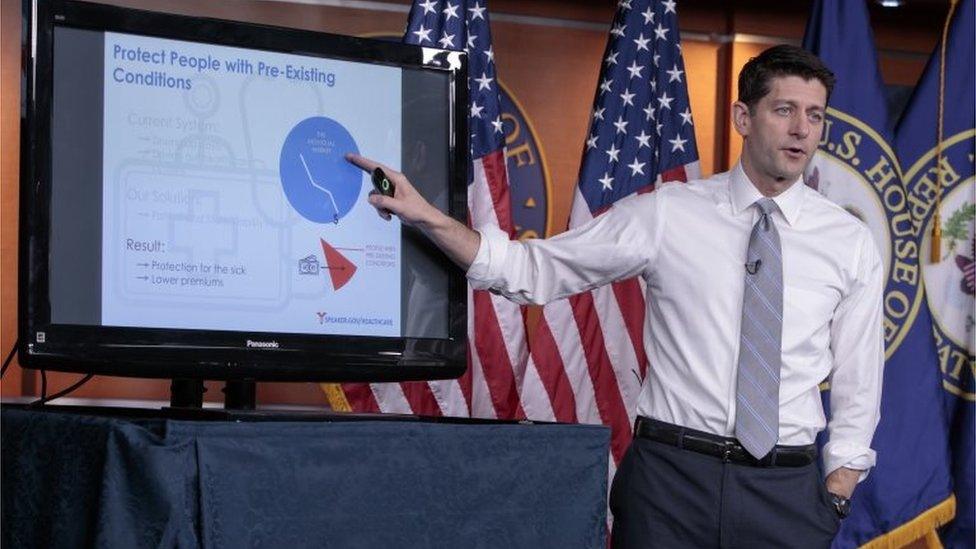
The Republican Health Care Plan. Understanding the shifting sands of U.S. health‑care policy is far from trivial. When one hears about a “Republican health‑care plan,” it rarely refers to a single, static bill. Rather, it refers to a constellation of proposals, budget blueprints, and policy shifts championed by various factions within the Republican Party.
Still, certain recurrent themes emerge — changes powerful enough to reshape who gets covered, under what conditions, and at what cost. Below is a comprehensive dissection of what these proposals typically entail, and what that means for the millions of Americans who rely on public or subsidized insurance.
Many Americans are asking: What are the real consequences? What do they need to know as these proposals gain momentum? This article explores the labyrinth of changes — clarifying what is being proposed, what might happen, and why so many stakeholders are raising alarms.
What’s at Stake: Context for the GOP Health‑Care Blueprint
At the heart of recent Republican proposals is a push to revise — or even reverse — major pillars of the current health‑care landscape. The target is not just minor reform; many of these plans aim to dismantle or substantially alter existing frameworks, such as those under the Affordable Care Act (ACA) or Medicaid.
Advocates argue these changes will reduce federal spending, curb government dependency, offer individuals more control over costs, and restore market flexibility. Critics counter that such policies would make health care more expensive, less accessible, and leave millions uninsured.
With that in mind, here are the most significant revisions outlined under recent Republican‑backed frameworks — and the implications they carry.
Key Changes Under the Proposed GOP Framework
Block Grants, Per‑Capita Caps, and Medicaid Overhaul
One of the most frequent components in Republican health‑care proposals is changing how Medicaid is funded and administered. Many plans would turn Medicaid from an open‑ended entitlement into a capped, block‑grant program.
Under such a structure:
- States receive a fixed sum (or capped per‑person allotment) rather than matching funds based on actual costs.
- In practice, this could force states to cut eligibility, reduce covered benefits (including optional services like mental health or home‑based care), or squeeze reimbursements to providers.
- Estimates suggest that these changes could result in millions of Americans — including low-income individuals, children, and people with disabilities — losing access to Medicaid.
This overhaul of Medicaid helps explain why many argue the proposals would significantly erode safety‑net coverage — reducing availability just when many rely on it most.
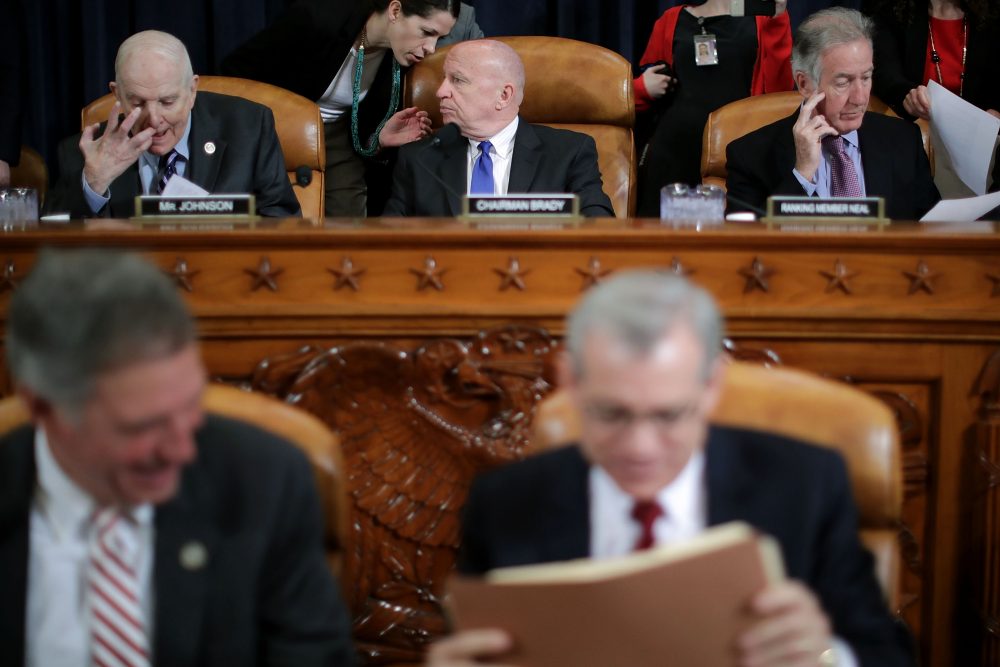
Scaling Back the ACA Marketplace: Protections, Subsidies, and “Essential Benefits”
Beyond Medicaid, many Republican plans also seek to gut core protections and supports tied to the ACA’s marketplace system. Key targets include:
- Rolling back subsidies and premium assistance, making health policies less affordable for many.
- Weakening or eliminating protections for pre-existing conditions — or reworking them via thinly regulated “reinsurance pools” instead of broad protections.
- Allowing states more discretion over what “essential health benefits” must be covered, threatening comprehensive coverage in favor of minimal, low-cost plans.
These changes would likely increase out-of-pocket costs, reduce coverage depth, and leave critical benefits — like mental health services, maternity care, or prescription drugs — optional or excluded entirely.
Expanding Market Reliance: Tax‑Advantaged Accounts & Private Coverage Over Government Programs
A recurring Republican theme: shift responsibility from the federal government to individuals. Many proposals promote expanded use of Health Savings Account (HSA)–style arrangements, or encourage turning public insurance spaces into private markets.
Under this shift:
- Individuals may be given more flexibility, but only if they can afford high deductibles and save enough in HSAs. Critics warn this advantages higher‑income earners disproportionately.
- People with chronic conditions or low incomes may avoid care due to cost or inadequate coverage, undermining preventative care or management of long‑term illnesses.
- Private, stripped-down plans may deliver lower premiums, but also lower coverage comprehensiveness — essentially trading affordability for minimalism.
In short, shifting toward HSAs and private coverage may embed greater inequality into health‑care access, with wealthier individuals better positioned to take advantage of flexibility.
Eroding Medicare Protections, Drug Cost Safeguards, and Long‑Term Coverage Security
Some of the more sweeping proposals — such as those outlined in the Project 2025 framework — aim to reshape how Medicare operates, and scale back long‑standing protections for seniors and vulnerable populations.
Specific changes under consideration include:
- Ending the federal government’s negotiation power on drug prices, thus re‑empowering pharmaceutical companies to set steep costs.
- Rolling back protections like insulin price caps or free vaccines — which could make essential medicines less accessible, especially for low-income seniors or chronically ill people.
- Removing or weakening “lifetime benefit” safeguards and stable coverage guarantees, coinciding with the broader erosion of entitlement-style health care.
For many, this signals a shift away from collective accountability and toward individual risk — potentially leaving older Americans or those with chronic illnesses financially vulnerable.
Work Requirements, Stricter Eligibility, and Reduced Benefit Scope
Another recurring facet of Republican proposals involves imposing work or community-engagement requirements on recipients, particularly for Medicaid beneficiaries.
These include:
- Mandatory hours of work, volunteering, or education participation to retain coverage eligibility — especially for able-bodied adults without dependents.
- Periodic income and eligibility verification, making enrollment and renewal more arduous and unpredictable.
- Paring down optional but vital services (e.g. mental health, home care, extended drug coverage) — potentially reducing comprehensive care to bare-bones essentials.
While framing these as fiscal safeguards and tools against “fraud, waste, and abuse,” many independent analysts — including the Congressional Budget Office (CBO) — warn that the savings would come not from cutting misuse but from denying care to millions in need.
What All This Means — and Who Is Most Affected
Understanding the ramifications requires recognizing that these changes do not impact everyone equally. Instead, they tend to target:
- Low- and moderate-income families
- People relying on Medicaid, Medicare, or subsidized insurance under the ACA
- Individuals with chronic illnesses, disabilities, or ongoing health‑care needs
- Rural communities, where hospitals and clinics often rely heavily on public funding and expansion
With the proposed shifts — block grants, tighter eligibility, reduced benefits, stripped-down insurance, and fewer taxpayer protections — many fear a substantial increase in the number of uninsured, underinsured, or medically vulnerable Americans.
In effect, what is being offered as reform has, in critics’ view, the elements of a rollback — a transformation of health care from a collective social safety net into a stratified, market‑driven commodity, accessible primarily to those who can pay.
Why Proponents Frame This as Reform
From the vantage point of supporters, these dramatic changes are not about denying care — they are about reshaping health care into something more efficient, affordable (for some), and fiscally sustainable.
Key arguments include:
- Reducing federal spending and long-term budget deficits — seen by proponents as essential for economic health and intergenerational equity.
- Increasing personal responsibility and financial control, giving individuals flexibility over their health‑care spending rather than relying on one-size-fits-all government programs.
- Promoting competition among insurers and providers, theoretically driving down costs and encouraging innovation in coverage options.
- Streamlining bureaucracy — simplifying, for example, Medicaid administration, to reduce inefficiencies and waste, at least in principle.
In that sense, the proposed overhaul attempts to pivot away from universal or government‑driven coverage toward a more market‑oriented, individual-driven system.
Whether that system ends up serving the vulnerable remains deeply contested.
What Analysts, Advocacy Groups, and the Public Fear
Independent analysts, public‑health advocates, and some state‑level leaders have voiced strong concerns about the potential fallout from such sweeping reforms.
Surge in Uninsured and Underinsured
Multiple reports estimate that millions could lose insurance entirely. Vulnerable populations — children, low-income adults, people with disabilities, seniors — could face coverage gaps.
Moreover, even those who retain coverage may receive far less comprehensive plans — with higher deductibles, limited benefits, and scant protections for pre-existing conditions.
Decline of Care Providers, Especially in Vulnerable Areas
If Medicaid funding shrinks, hospitals and clinics — especially rural or community-based providers — could struggle. Reduced reimbursements might force closures or cutbacks, further limiting access to care where it’s already scarce.
Higher Risks for Chronic Illness, Mental Health, and Preventive Care
Stripping down coverage or making essential services optional may discourage preventative care or ongoing treatment. Mental health, home care, prescription drugs, and chronic care services could be disproportionately affected.
Inequity and Income-Based Disparities
Shifting more responsibility to individuals — via HSAs or high-deductible private plans — benefits those with disposable income. Those with low or moderate means might face dire choices: forgo care, accumulate crippling medical debt, or accept inadequate coverage.
What Remains Unclear — and Why It Matters
Because the Republican proposals are not a monolith, but a patchwork of overlapping plans, many unwritten questions remain — making the ultimate impact uncertain.
- Which provisions will survive legislative negotiation, and which will be scaled back or removed?
- Will block grants or per‑capita caps truly cut coverage — or will states resist and find workarounds?
- How many states will adopt work/eligibility requirements — and how will enforcement affect beneficiaries?
- What will become of so-called “basic but optional” services: mental health, home care, prescription coverage?
- How will private insurers respond? Will they flood the market with low-cost, low-benefit plans — or offer meaningful coverage in a new, more flexible environment?
Until major legislation is passed, much remains in flux. But the stakes — in terms of coverage, health equity, and public health — are high enough that the uncertainty itself is cause for concern.
The Big Picture: What All This Means for Americans
Taken together, these proposals epitomize a fundamental shift in how health care is conceptualized in the United States. The underlying philosophy abandons, or at least de-emphasizes, the idea of a universal or guaranteed safety net, and replaces it with a market‑centric, individual‑obligation model.
For some Americans — especially higher-income individuals or those with fewer health risks — this might mean more control, lower premiums, and flexible plans. For others, especially those dependent on government-supported coverage, it could mean diminished access, higher costs, and increased instability.
Hence, when considering “What are the real consequences?”, the reality is that these changes are not mere tweaks to budgeting or administration. They represent a transformation of health care from a collective social guarantee into a patchwork of market-driven options — with access and quality increasingly tethered to income, employment status, and geography.
Why the Debate Is So Heated — and Why It Matters
The intensity of the debate reflects the high stakes. What’s being contended is more than policy: it’s about defining the social contract. Should access to basic health care be a guaranteed right — or a conditional benefit? Should drug prices be regulated? Should public funding be used to guarantee care for low-income or vulnerable communities?
Proponents argue their plan restores fiscal sanity, incentivizes individual responsibility, and revitalizes market competition. Critics respond that this vision sacrifices equity, ignores social responsibility, and threatens the health and dignity of millions dependent on public coverage.
At its heart, this is not a technocratic argument; it is a moral one. It speaks to the values underlying how a society cares for its most vulnerable members.
So — What Should an Informed Citizen Watch For?
When following developments, these are the key indicators worth monitoring:
- Legislation language — as debates continue, key phrases around Medicaid funding, eligibility requirements, essential benefits, and drug‑pricing reform will reveal the plan’s true shape.
- State-level adoption — since block grants and Medicaid flexibility proposals give states enormous discretion, the disparity between states may grow. Which states adopt cuts, and which resist?
- Insurance market response — whether insurers flood the market with lean, low-cost plans, or maintain richer benefit packages. This will affect access, coverage depth, and long-term health outcomes.
- Impact on providers and public health safety net — closures of rural hospitals or community health centers could signal wider collapse of care in underserved areas.
- Outcomes for vulnerable populations — children, disabled individuals, seniors, low-income families — do they retain meaningful coverage, or are they systematically marginalized?
These are not academic concerns. The decisions made today may shape access to health care for decades, influencing public health, economic security, and social equity.
A Closer Look: Inside the Republicans Health Care Plan Discover Key Changes
The spectrum of proposed changes reveals a systematic recalibration of risk, responsibility, and coverage in the U.S. health‑care ecosystem. From Medicaid block grants to looser marketplace rules, from HSAs to more privatized coverage — the proposals aim to replace a federally anchored system with a nimble, market‑driven alternative.
For some, this signals choice and empowerment. For others, it heralds instability and inequality. The question of who wins — and who loses — may not always be obvious, but the fault lines will become clearer as legislation advances and states begin to implement changes.
Looking Forward: What Could Happen — and What Needs Vigilance
If sweeping Republican proposals succeed, we may see:
- A markedly increased uninsured rate, particularly among low-income, rural, and vulnerable populations.
- Greater fragmentation of coverage — starkly different insurance realities depending on income, state of residence, employment, and health risks.
- A diminished role for the federal government in guaranteeing care, replaced by state discretion, patchwork private plans, and individual financial responsibility.
- Pressure on health-care providers in vulnerable communities — potentially leading to closures, reduced services, or widening “care deserts.”
- Increased reliance on high-deductible plans, HSAs, and private insurance, shifting risk onto individuals rather than spreading it collectively.
But vigilance from citizens, advocates, and policymakers might mitigate or reshape outcomes. Public pressure, state-level resistance, shifting electoral dynamics, or bipartisan negotiation could soften or block the most draconian changes.
Final Reflection: The Stakes Could Not Be Higher
It’s tempting — especially if one’s own coverage is stable — to view these debates as abstract or remote. But at its core, this is a question about who gets to access life-saving care. It touches families, individuals with chronic needs, rural communities, the sick and vulnerable, and the very ethos of public responsibility.
The proposals under the banner of the Republican health-care agenda represent a philosophical departure: from collective safety nets to individualized risk. They promise flexibility and cost savings for some — but for many others, potentially hardship, uncertainty, or loss of care altogether.
If you want to understand whether you — or someone you care about — may be affected, the important next step is close attention: follow policy updates, track state-level decisions, and advocate where necessary. Because when it comes to health care, the consequences are profoundly personal.
Inside the Republicans Health Care Plan Top Key Changes Revealed — and Why It Matters
In the shifting terrain of U.S. health policy, these proposals mark a disproportionately large pivot. If adopted wholesale, they could reshape access, affordability, and equity in American health care for decades. What remains uncertain is whether the policies will be tempered by public pushback — or whether the transformation will proceed unchecked. The time to pay attention is now.