
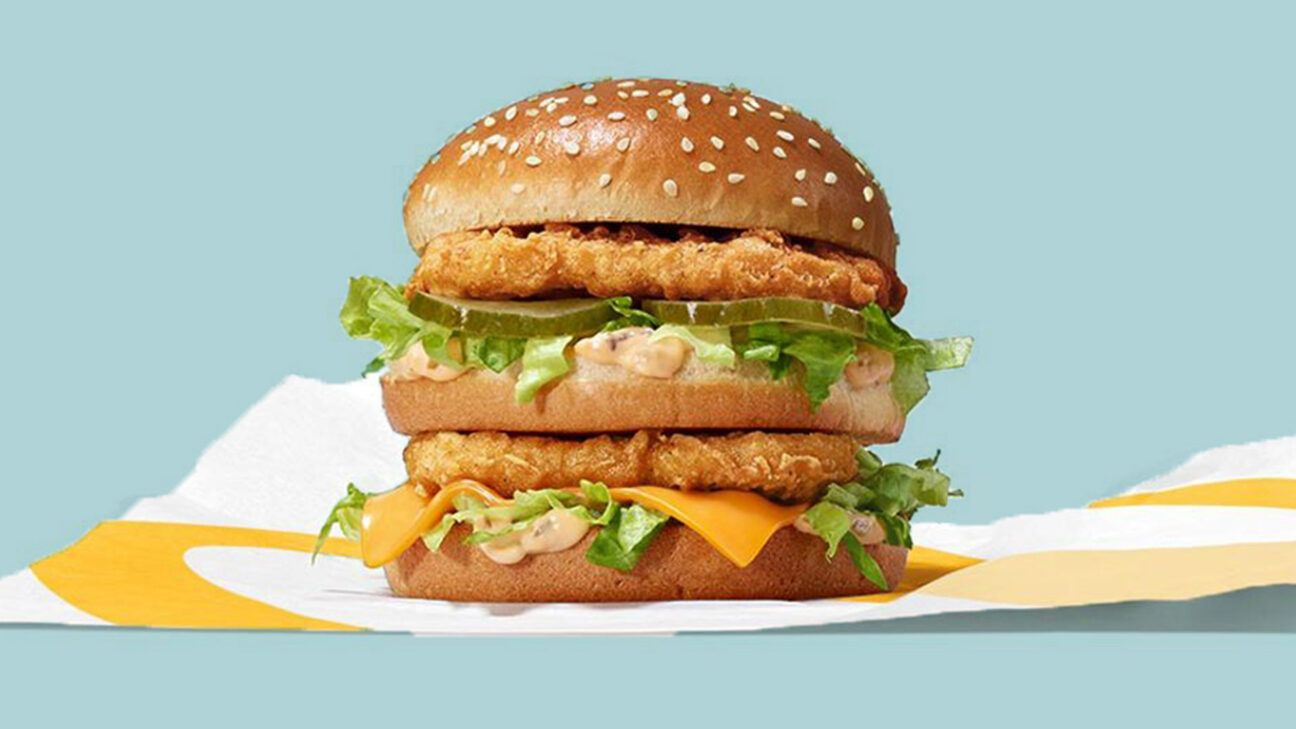
Big Mac Nutrition Facts. The Big Mac is arguably the most iconic fast‑food burger in the world. It’s celebrated by millions, ordered by the millions, and dissected by nutritionists.
Yet few people truly consider what happens when you bite into that sesame‑seed bun — the numbers behind the taste, the macros behind the sauce, the health trade‑offs behind the indulgence. Below is a meticulous examination of all you should know about Big Mac nutrition — from calories to ingredients.
This article will walk you through: exactly what’s inside a Big Mac; its full nutritional profile; macro breakdown; micronutrients; pros and cons for health; how it fits (or doesn’t) within a balanced diet; and what to watch out for if you eat one. By the end, you’ll have a comprehensive picture of the nutritional footprint behind that Big Mac.
What’s In a Big Mac: Ingredients and Build
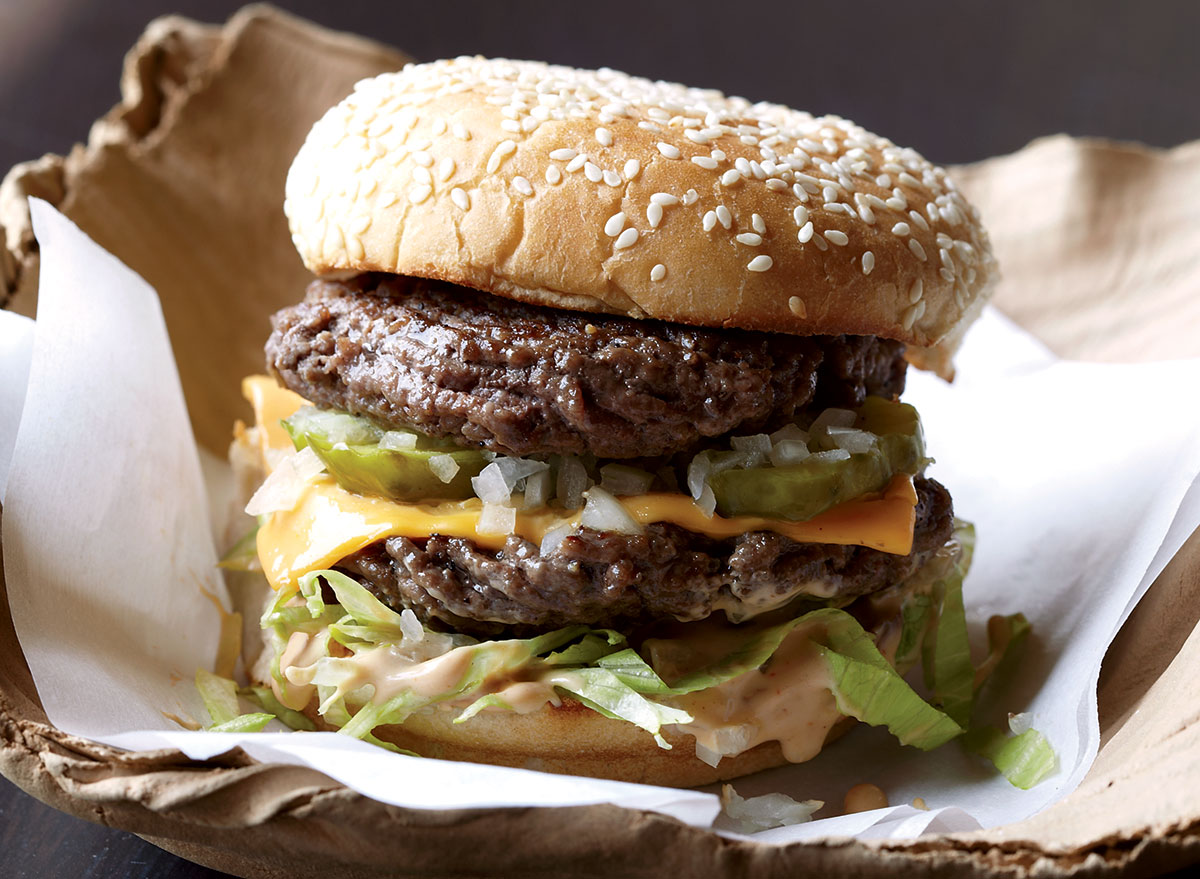
At first glance, a Big Mac might look like a simple burger. But it is a layered construction — literally and nutritionally. According to standard ingredient data:
- Three‑part sesame bun (top bun, middle “club” bun, bottom bun).
- Two 100% beef patties (all‑beef) — the meat base.
- Pasteurized processed American cheese slices.
- Shredded lettuce, chopped onions, and pickle slices.
- The signature “Big Mac sauce” — a blend of condiments that gives the burger its distinctive tangy‑creamy flavor.
In short, it’s a carefully orchestrated ensemble: bread, beef, cheese, vegetables, condiments — all combining for flavor, texture, and the sensory experience that millions enjoy worldwide.
Because this is more than just a simple patty-in-bun — it is a multi‑layered sandwich with bun, sauce, cheese, vegetables, and double meat — its nutrition and caloric load reflect that complexity.
The Calorie and Macronutrient Breakdown
Depending on the region, serving size, and precise formulation, the nutritional values of a Big Mac can vary — but the general ballpark is consistent. Here’s what typical nutrition databases show.
Calories
- Many sources list a Big Mac at roughly 540 kcal per sandwich
- Others show values in the range of ~580–590 kcal
- One record shows 550 kcal per 215‑gram serving
So, depending on the specific serving size and preparation, expect somewhere between 540 to 590 calories for a full Big Mac.
Macronutrients
Here’s a snapshot of what you’re typically consuming with one Big Mac — the protein, fat, carbs, fiber, sugars, and so on:
| Nutrient / Component | Typical Amount per Big Mac |
| Total Fat | ~28–34 g |
| Saturated Fat | ~10–11 g |
| Trans Fat | ~1 g |
| Cholesterol | ~80–85 mg |
| Total Carbohydrates | ~45–46 g |
| Dietary Fiber | ~3 g |
| Sugars (total) | ~7–9 g (with about 5–7 g added sugars, depending on regional formulation |
| Protein | ~25 g |
| Sodium | ~1000–1060 mg |
| Micronutrients (e.g. Iron, Calcium) | Iron ~4–4.5 mg, Calcium ~120 mg (varies by source) |
From a macro‑perspective, the Big Mac’s caloric density comes largely from fat (often ~50–53% of total calories), with carbs and protein making up the rest.
That composition — high fat, moderate carbs, decent protein — explains why the Big Mac delivers a lot of energy in a relatively compact meal.
Micronutrients and Other Nutritional Elements
Beyond macros — calories, fat, protein, carbs — there are also vitamins, minerals, and other nutritional details worth noting. Depending on the data source and regional variation, a Big Mac may supply modest amounts of certain micronutrients:
- Iron: Around 4 to 4.5 mg in many formulations.
- Calcium: Often around 120 mg.
- Sodium: High — typically around 1000–1060 mg, which is a significant portion of a recommended daily intake.
Because of the processed bun, cheese, sauce, and seasonings, there are also added sugars, possibly sodium preservatives, and processed flour components — factors that further complicate the nutritional profile.
In short: the Big Mac is not just a collection of macronutrients. It also brings a heavy dosage of sodium, saturated fat, and processed components — which can be relevant for cardiovascular health, blood pressure, digestion, and overall metabolic load.
Why These Numbers Matter — Health & Dietary Implications
Calorie Load & Energy Balance
At roughly 540–590 kcal per sandwich, a Big Mac delivers a substantial portion of daily caloric needs (for an average adult on a 2000 kcal diet, that’s about 27–30%). Eating one Big Mac is by no means trivial fodder.
For someone not compensating through increased physical activity — or already consuming other meals and snacks — that caloric load can challenge energy balance and may contribute to weight gain if consumed regularly without adequate offset.
Fat, Saturated Fat, and Heart Health
With 28–34 g total fat and 10–11 g saturated fat, this burger contributes a sizable portion of recommended fat intake — and potentially a high percentage of saturated fat intake. High saturated fat intake is associated, over time, with elevated LDL cholesterol and greater cardiovascular risk, especially when paired with high sodium intake.
Thus, frequent consumption of Big Mac burgers — say, several times per week — can elevate risk if not balanced with healthier meals, physical activity, and dietary moderation elsewhere.
Sodium and Processed Components
With about 1,000 mg of sodium per sandwich, a Big Mac already takes you close to or beyond half the maximum recommended sodium intake for many adults (some health authorities recommend staying below 2,300 mg/day; others suggest lower thresholds).
Combined with processed bun, cheese, and sauce — which often contain additives, preservatives, refined flour — the burger becomes a processed food with limited nutritional density relative to its caloric and sodium load.
Protein and Satiety — Mixed Benefit
A modest 25 g of protein is a benefit: enough to contribute to muscle maintenance or satiety — especially compared to many fast‑food items that skimp on protein. For a one‑meal intake, this can meaningfully contribute to daily protein requirements.
That said, the protein comes bundled with fat, sodium, and processed carbs — so the satiety benefit must be weighed against the metabolic cost.
Understanding the Variability — Why Numbers Differ
It’s worth noting that nutritional values for Big Mac vary across sources. Some list 540 kcal, others 590 kcal; some show 28 g fat, others 34 g; sodium varies by up to a few hundred milligrams. Why?
- Regional formulation differences — McDonald’s sources and recipes vary by country. Buns, sauce recipes, portion sizes, seasoning, and cooking methods can differ.
- Serving size differences — some nutrition tables refer to 193 g sandwiches, others 210 g, 215 g or 219 g depending on regional portioning.
- Rounding and reporting standards — different databases may round calories, fat grams, sodium, etc. Slight changes in sauce quantity or bun density alter the final figures.
- Updates over time — McDonald’s adjusts recipes occasionally; nutritional panels may reflect older or newer formulations.
Therefore, treat these numbers as a range or estimate, not as an absolute guarantee.
Putting the Big Mac in Perspective: Occasional Indulgence vs. Routine
The Big Mac is best treated as an occasional indulgence, not a dietary staple. Here’s how to think about it in a balanced nutritional framework:
- Occasional treat: Once in a while — perhaps as a cheat meal — a Big Mac can fit into a balanced diet, especially if the rest of your meals emphasize vegetables, fiber, lean proteins, and lower sodium.
- Not frequent: Regular consumption (e.g., several times per week) can lead to excessive saturated fat and sodium intake, potentially increasing risk for hypertension, elevated cholesterol, and other metabolic concerns.
- Complement consciously: If you eat a Big Mac, try to complement with lighter meals rich in vegetables, whole grains, lean protein, and low sodium. Hydrate well. Avoid stacking other high-sodium or high-fat foods in the same day.
- Mind macronutrient balance: The protein is a benefit, but if you rely on fast food regularly, you’ll likely exceed calorie, fat, and sodium recommendations.
In short: enjoy — but be discerning and intentional.
What You’re Eating — Ingredient Reality and Processing
Beyond nutrition data lies the more subtle — and often overlooked — realm of food processing, ingredient sourcing, and additive content. A Big Mac isn’t just meat and bread. The bun is typically enriched flour (wheat, malted barley flour, added vitamins & iron, dough conditioners), likely containing gluten, refined carbohydrates, preservatives or stabilizers.
The cheese is “processed cheese,” not simple natural cheese — meaning emulsifiers, stabilizers, possibly modified starches or other dairy‑derived additives.
The “Big Mac sauce” is another processed component — likely containing oils, preservatives, flavor enhancers, and added sugars/salts (as is common in fast‑food sauces).
Vegetables (lettuce, onion, pickles) are minimal, often more for texture and flavor than nutritional boost, given the dominance of bun, cheese, sauce, and meat.
Thus, the Big Mac is less a “natural” meal and more a carefully engineered food product: optimized for taste, consistency, shelf life, and mass production — not necessarily optimized for nutritional balance.
Comparing Big Mac to Healthier Alternatives — What’s Lost and What’s Gained
When stacked against simple meals — say a homemade lean burger with whole‑grain bun, fresh vegetables, minimal sauce — the Big Mac is clearly the more indulgent, processed option. Here’s what you trade:
Lost (nutritionally speaking):
- Lower fiber content from whole‑grain buns or extra vegetables
- Lower sodium and saturated fat load
- Fewer additives, preservatives, processed cheese or sauce
- More natural ingredients and transparency
Gained (in exchange):
- Convenience, consistency, predictability — you know what you get
- A relatively decent amount of protein for a single sandwich (~25 g)
- A satisfying flavor profile and sensory experience — for many, part of the appeal
In nutritional purity, the homemade alternative wins. In convenience and indulgence, the Big Mac prevails.
Who Might Fit a Big Mac Into Their Diet — And Who Should Be Cautious
A Big Mac might be acceptable — on occasion — for:
- People who are physically active, burn a lot of calories, and have flexible caloric budgets
- Individuals seeking a quick protein + carb + fat meal on the go
- Occasional indulgence eaters who balance their overall diet with nutrient‑dense foods
On the other hand, caution is warranted for:
- Individuals monitoring blood pressure, sodium intake, or cardiovascular health
- Those aiming for weight loss or calorie moderation
- People pursuing a clean or whole‑foods‑based diet, or following strict nutritional plans (low sodium, low saturated fat, minimal processed foods)
- Frequent fast‑food eaters — because regular consumption compounds high sodium, fat, and processed‑food intake
Why It’s Important to Understand “Big Mac Nutrition Facts — Everything From Calories to Ingredients”
Without awareness, it’s easy to treat a Big Mac like any regular sandwich — just “a quick meal.” But that underestimates the nutritional burden hidden beneath the sesame bun.
By recognizing everything from calories to ingredients — macro, micro, processing, additives — you reclaim agency. You make informed decisions: when to indulge, when to skip, when to adjust the rest of your meals, when to hydrate, and when to balance sodium or fat intake.
That knowledge transforms a casual fast‑food order into a conscious dietary choice.
Simple Ways to Mitigate the Nutritional Load If You Still Want a Big Mac
If you decide to indulge but want to reduce some of the nutritional drawbacks, consider the following strategies:
- Skip or limit the bun(s): Removing or partially removing the bun can cut down refined carbohydrates and calories.
- Limit the sauce or use lighter condiments: The Big Mac sauce adds fat, sodium, and possibly added sugars. Use sparingly or swap with lighter sauces (if possible).
- Balance the rest of your day: If you eat a Big Mac, try to have lighter meals afterwards — rich in vegetables, fiber, lean proteins; keep sodium and saturated fat low.
- Be mindful of frequency: Treat it as an occasional indulgence, not a habitual meal.
- Hydrate well: High sodium intake calls for good hydration. Drink water to help flush out excess sodium.
These steps won’t transform a Big Mac into a health meal — but they can help reduce some of the burden and allow for indulgence with more balance.
Final Verdict: The Big Mac — Iconic, Indulgent, and Nutritionally Dense
The Big Mac is more than a burger — it’s a cultural icon. But nutrition-wise, it is what it is: a high-calorie, high-fat, high-sodium, processed‑food sandwich that delivers protein and convenience in exchange for metabolic load.
If consumed occasionally, within a balanced diet, it may pose little harm. But repeated, frequent consumption — especially in the absence of exercise or dietary balance — can tip the scales toward excess salt, saturated fat, calories, and processed ingredients.
Understanding Big Mac Nutrition Facts — Everything From Calories to Ingredients empowers you to make better choices. It reveals what’s in the food you eat — not just flavor, but fuel, burden, and consequences.
At the end of the day, the Big Mac remains what it’s always been: a delicious treat, a guilty pleasure, a quick meal. Treat it as such — and enjoy with awareness.