
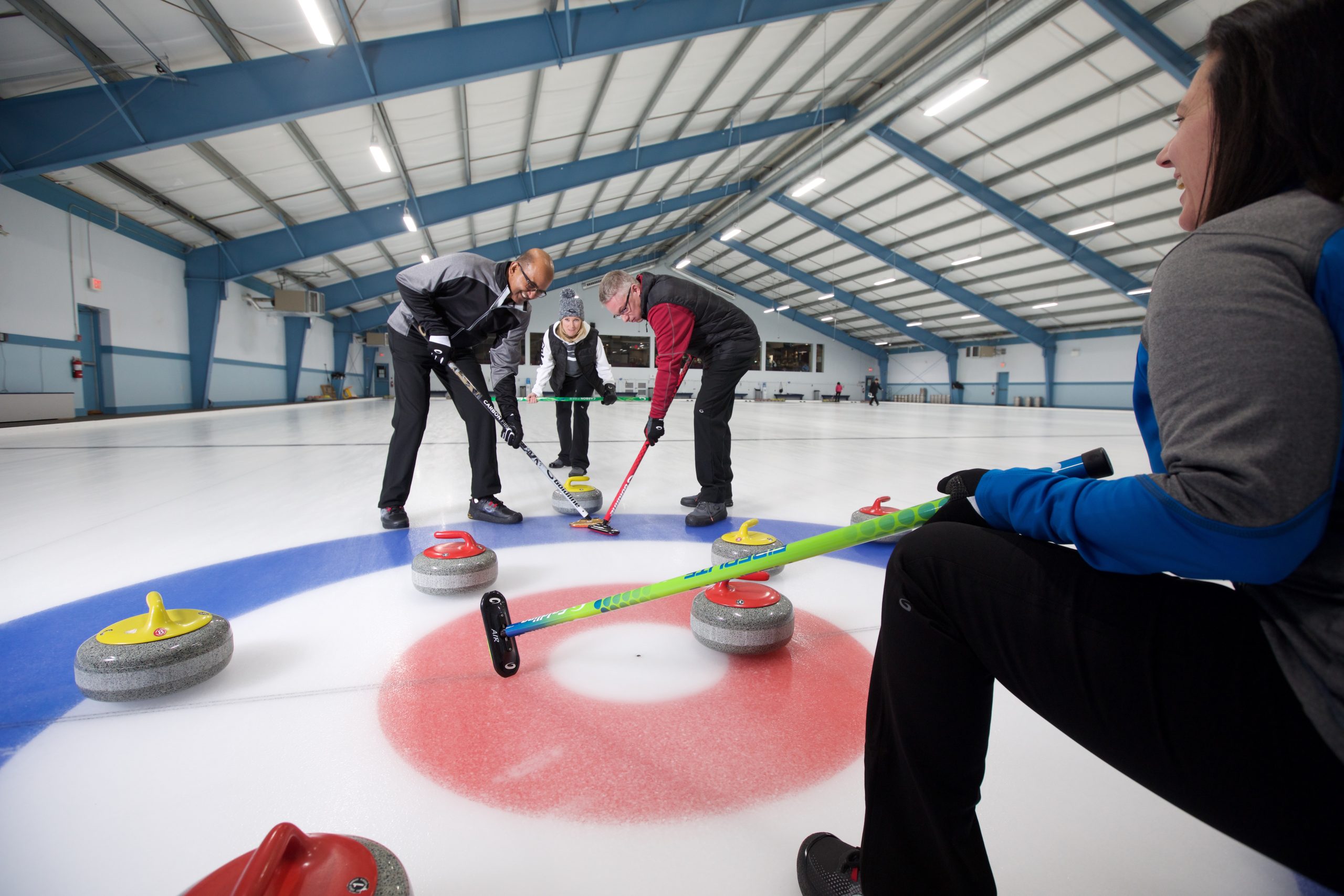
Essential Curling Sport Equipment. Curling, often described as “chess on ice,” is a sport that combines strategy, precision, and teamwork in a unique winter setting. The gliding stones, sweeping brooms, and meticulously maintained ice create a fascinating blend of athleticism and tactical thinking.
Success on the curling sheet is not solely dependent on skill and teamwork; it is profoundly influenced by the quality and suitability of equipment. From beginners discovering the sport to seasoned professionals competing at the highest levels, the right gear is essential for performance, safety, and enjoyment.
This comprehensive article provides a meticulous exploration of Complete Guide to Essential Curling Sport Equipment for All, delving into each piece of equipment, its function, variations for skill levels, and tips for maximizing effectiveness.
Whether preparing for a casual game at the local club or competing in a national championship, understanding the intricacies of curling equipment is a fundamental step toward mastery.
Curling Stones: The Core of the Game
At the heart of curling lies the curling stone, a smooth, polished piece of granite that slides across the ice with remarkable precision. The stone’s weight, shape, and handle design significantly impact gameplay.
Characteristics of Curling Stones
- Weight and Size: Regulation stones weigh approximately 38–44 pounds (17–20 kg) and have a diameter of around 11 inches (28 cm). This standardized weight ensures consistency during competitions.
- Material: High-quality stones are typically crafted from Ailsa Craig granite or similar dense granite varieties, valued for their durability and low friction properties.
- Handles: Handles allow players to impart a subtle rotation or “curl” to the stone, affecting trajectory and final positioning. Handles may be color-coded for team distinction.
Stone Maintenance
Professional and club players alike must monitor stone condition. Minor nicks or irregularities can dramatically affect movement. Teams often polish and inspect stones before matches to maintain consistent performance.
Understanding curling stones is crucial in any Beginners and Pros Essential Curling Sport Equipment Guide, as the stone is the foundation upon which strategy and skill are applied.

Brooms and Brushes: The Power Behind the Stone
Sweeping, a defining element of curling, requires specialized brooms and brushes to influence the stone’s speed and curl. The right broom allows players to manipulate ice friction, making it a tactical and physical extension of the athlete.
Types of Curling Brooms
- Strap Brooms: Traditional models featuring a cloth pad secured with a strap, commonly used by beginners and recreational players.
- Push Brooms: Equipped with a wide head and ergonomic handle, ideal for delivering maximum coverage across ice surfaces.
- Brush Head Materials: Varieties include horsehair, synthetic fabric, and microfiber. Microfiber brushes excel in water absorption and maintaining consistent ice contact.
Technique and Ergonomics
Proper grip, posture, and pressure during sweeping optimize stone control. Brooms often feature adjustable handles and ergonomic grips to accommodate players of varying heights and strengths.
For both novices and seasoned athletes, the broom is central to execution, reflected in any Essential Curling Sport Equipment Guide for Every Player that emphasizes mastery of both movement and ice manipulation.
Curling Shoes: Precision and Safety on Ice
Footwear is another critical element in curling, directly influencing balance, slide, and safety. Specialized curling shoes are designed with a “slider” and “gripper” system to allow controlled movement while maintaining stability.
Key Features of Curling Shoes
- Slider Sole: Typically made of Teflon or similar low-friction material, enabling smooth sliding during delivery.
- Gripper Sole: Provides traction on the ice, allowing players to push off safely and maintain stability during sweeping.
- Adjustable Inserts: Some shoes include interchangeable soles, allowing adaptation for ice conditions or personal comfort.
Curling shoes are essential for preventing injuries, particularly on slippery surfaces, and are a critical consideration in any Curling Sport Equipment Complete Guide Beginners and Pros.
Protective Gear and Accessories
While curling is not inherently contact-heavy, protective equipment enhances safety and comfort, especially for beginners still mastering ice movement.
Common Protective Gear
- Gloves: Insulate hands and provide grip on brooms and stones.
- Knee Pads: Cushion knees during delivery for added comfort and injury prevention.
- Head Protection: Soft helmets or caps can prevent concussions from accidental falls on hard ice.
- Clothing Layers: Breathable, stretchable layers enable freedom of movement while maintaining warmth in cold rink conditions.
These accessories ensure players can focus on precision and strategy without unnecessary risk, making them an indispensable part of a Complete Guide to Essential Curling Sport Equipment for All.
The Curling Sheet: Ice Preparation and Measurement
The playing surface itself is a form of equipment, meticulously prepared to meet competitive standards. Understanding ice characteristics helps players adjust delivery techniques and sweeping pressure.
Ice Considerations
- Pebbling: Small droplets of water freeze on the ice, creating a textured surface that influences stone curl.
- Hog Line and House: Lines and circles mark critical zones for stone release and scoring.
- Maintenance Tools: Curling ice is maintained using scrapers, pebblers, and brushes, ensuring consistent glide and performance.
Knowledge of ice preparation is essential in any Beginners and Pros Essential Curling Sport Equipment Guide, as minor variations in texture can affect strategy and execution.
Delivery and Sliding Equipment
For beginners, delivery aids such as sliders and sticks provide stability and assist with stone control. These devices are particularly valuable for players with limited mobility or those learning proper form.
Delivery Aids
- Slider Devices: Attach to shoes or hands, facilitating smooth gliding and reduced friction.
- Delivery Sticks: Allow players to push the stone from a standing position rather than sliding on the ice, enhancing accessibility.
Incorporating these tools ensures a more inclusive approach to curling, enabling broader participation without compromising the learning of proper technique.
Scorekeeping and Measurement Tools
Precision is central to curling, extending beyond skill execution to scoring accuracy. Equipment that measures stone placement and score assists both recreational and professional matches.
Tools Include
- Measuring Devices: Calipers or laser measures determine which stone is closest to the button.
- Scoreboards: Digital or manual boards track game progression and team performance.
- Game Markers: Cones or markers assist in practice sessions for accuracy drills.
Accurate scoring is essential in competitions and informal games alike, forming a foundational element in any Essential Curling Sport Equipment Guide for Every Player.
Training and Conditioning Equipment
Off-ice conditioning is vital for optimal performance. Strength, balance, and endurance all influence delivery speed and sweeping efficacy.
Training Tools
- Balance Boards: Improve stability and core strength, crucial for sliding and sweeping.
- Resistance Bands and Weights: Build upper body and leg strength for powerful sweeping.
- Video Analysis Systems: Capture delivery technique for performance feedback.
Training equipment extends skill development beyond the ice, allowing players to refine technique and enhance physical conditioning throughout the year.
Maintenance and Care of Curling Equipment
Proper care of curling equipment prolongs lifespan and ensures consistent performance.
Stone Maintenance
- Regularly inspect and polish handles.
- Store stones in climate-controlled environments to prevent cracking.
Broom and Brush Care
- Clean brush heads after each session.
- Replace worn microfiber pads to maintain ice contact quality.
Shoe and Protective Gear Maintenance
- Dry shoes thoroughly to prevent sole degradation.
- Inspect gloves and knee pads for wear and replace as needed.
Attention to maintenance ensures every piece of equipment performs reliably, reflecting the meticulous nature of curling itself.
Tips for Beginners
- Start with Basic Gear: Begin with standard broom and slider shoes; specialized equipment can be added as skill develops.
- Focus on Fit: Shoes, gloves, and protective gear should fit comfortably to prevent injury.
- Seek Professional Guidance: Lessons from experienced curlers improve technique and accelerate progress.
- Practice Consistently: Time on ice builds muscle memory, coordination, and confidence.
These foundational tips provide an actionable roadmap for those new to the sport, forming the core of any Complete Guide to Essential Curling Sport Equipment for All.
Advanced Tips for Pros
- Customize Brooms and Stones: Adjust brush stiffness and stone handles to optimize performance.
- Incorporate Analytics: Use video and statistical analysis to refine strategy and delivery.
- Focus on Off-Ice Conditioning: Strength, flexibility, and endurance training are as important as on-ice practice.
- Regular Equipment Calibration: Maintain ice-specific stones, broom heads, and sliders for consistent performance.
These advanced insights distinguish casual participation from competitive excellence, reinforcing the importance of specialized knowledge in a Curling Sport Equipment Complete Guide Beginners and Pros.
Psychological and Strategic Considerations
Equipment enhances performance, but strategy, teamwork, and mental acuity are equally critical. Understanding the physics of stone motion, ice friction, and sweeping pressure allows players to make informed decisions. Visualization, communication, and precision timing work in tandem with equipment to optimize outcomes.
Summary
Curling is a sport of precision, strategy, and physical skill, and the right equipment amplifies these attributes. From curling stones and brooms to shoes, protective gear, and training aids, each element contributes to a player’s success and safety. Beginners benefit from foundational tools and guidance, while pros leverage advanced customization, analytics, and conditioning to reach peak performance.
This Beginners and Pros Essential Curling Sport Equipment Guide provides a roadmap for understanding, selecting, and maintaining the tools essential to the sport. For every player, appreciating the nuances of curling equipment—from ice preparation to stone mechanics—enhances both skill development and enjoyment.
By exploring the full spectrum of Essential Curling Sport Equipment Guide for Every Player, participants can confidently navigate the sport, whether in recreational play or competitive arenas. Integrating proper gear, careful maintenance, and strategic knowledge ensures that every slide, sweep, and shot reflects precision, skill, and dedication.
For those ready to immerse themselves fully, the Curling Sport Equipment Complete Guide Beginners and Pros serves as an indispensable resource, combining technical detail, practical advice, and insight into the art and science of curling. From novice curiosity to professional refinement, mastering equipment selection and utilization is the first step toward excellence on the ice.