
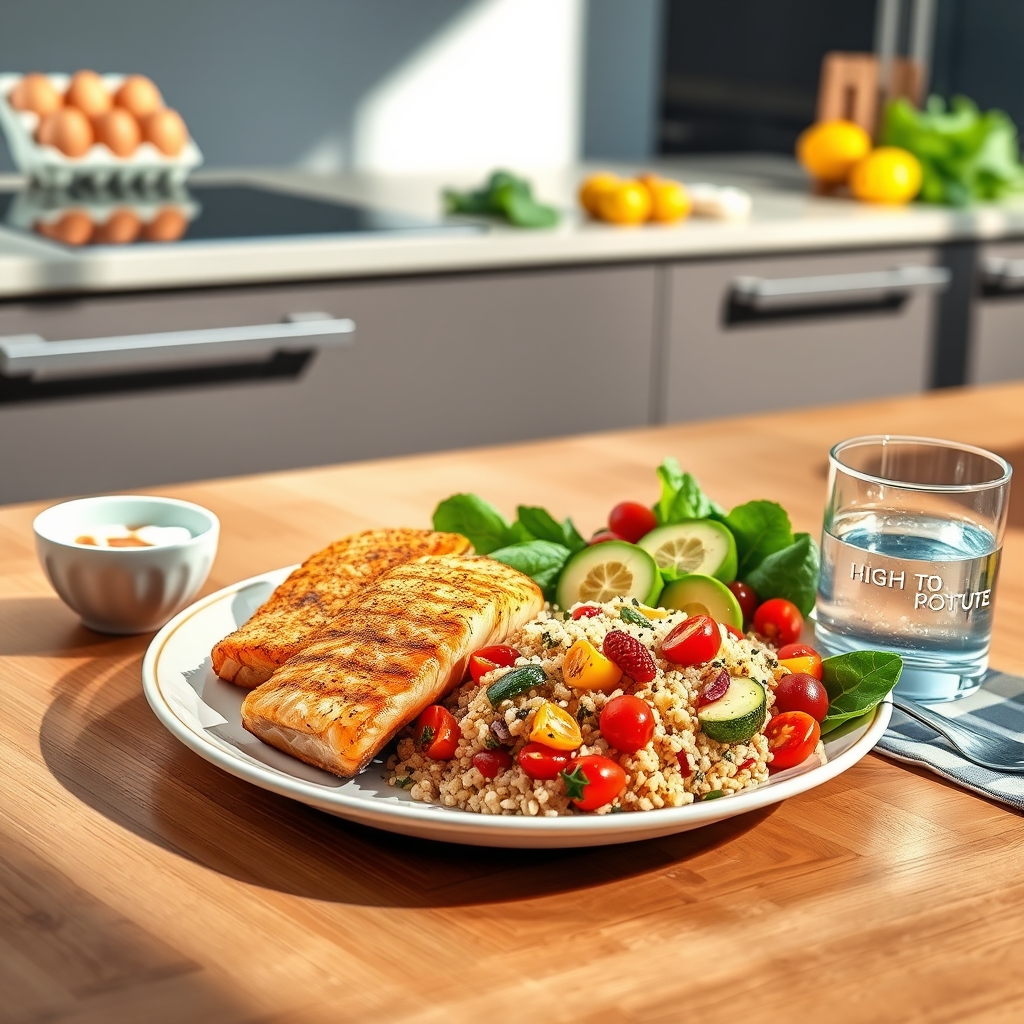
High protein recipes are meals designed to deliver a significant amount of protein, essential for muscle repair, immune function, and overall health. Whether you’re an athlete, fitness enthusiast, or simply looking to maintain a balanced diet, incorporating high protein recipes into your routine can help you stay full, energized, and strong. With protein-rich ingredients like lean meats, eggs, legumes, and dairy, these recipes are not only nutritious but also delicious and easy to prepare.
Protein is a macronutrient that plays a crucial role in building and repairing tissues. The recommended daily intake varies, but most adults need at least 0.8 grams of protein per kilogram of body weight. For active individuals, this requirement can increase to 1.2–2.2 grams per kilogram. Fortunately, high protein recipes make it simple to meet these needs without sacrificing flavor or variety.
Why Should You Try High Protein Recipes?
Incorporating high protein recipes into your diet offers numerous benefits. First, protein helps maintain muscle mass, especially important for those engaged in strength training or endurance sports. Additionally, meals rich in protein can aid in weight management by promoting satiety and reducing cravings. Studies show that diets with higher protein intake can lead to a 5–10% reduction in body fat over six months.
Furthermore, protein supports metabolic health by stabilizing blood sugar levels. Unlike refined carbohydrates, protein-rich foods have a minimal impact on blood glucose, making them ideal for individuals managing diabetes or insulin resistance. Besides, high protein recipes often include nutrient-dense ingredients like vegetables, whole grains, and healthy fats, contributing to a well-rounded diet.
What Are the Best Protein Sources for High Protein Recipes?
Choosing the right protein sources is key to creating effective high protein recipes. Animal-based proteins, such as chicken, turkey, fish, eggs, and Greek yogurt, are complete proteins, meaning they contain all nine essential amino acids. A single 100-gram serving of chicken breast provides approximately 31 grams of protein, making it a staple in many high protein meal plans.
Plant-based proteins, like lentils, chickpeas, tofu, and quinoa, are excellent alternatives for vegetarians and vegans. For example, one cup of cooked lentils contains about 18 grams of protein. Combining different plant proteins, such as beans with rice, can create a complete amino acid profile. Besides, plant-based high protein recipes are often rich in fiber, vitamins, and antioxidants, enhancing their nutritional value.
How Can You Prepare Quick and Easy High Protein Recipes?
Busy schedules shouldn’t prevent you from enjoying high protein recipes. Meal prepping is a game-changer, allowing you to prepare protein-packed meals in advance. For instance, cooking a batch of grilled chicken or hard-boiled eggs at the start of the week ensures you have protein-rich ingredients ready to add to salads, wraps, or stir-fries.
Another time-saving strategy is using versatile ingredients like canned tuna, cottage cheese, or protein powder. These can be quickly incorporated into smoothies, omelets, or even pancakes. For example, blending a scoop of protein powder with almond milk and frozen berries creates a nutritious, high protein breakfast in minutes. Additionally, slow cookers and instant pots can simplify the process of preparing high protein recipes like chili, stews, or pulled chicken.
What Are Some Delicious High Protein Breakfast Recipes?
Starting your day with a high protein breakfast can set the tone for sustained energy and focus. One popular option is Greek yogurt parfaits, layered with granola and fresh fruit. A single serving of Greek yogurt contains up to 20 grams of protein, making it an excellent base for a filling meal. Alternatively, scrambled eggs with spinach and feta cheese provide a savory, protein-rich start to the day.
For those who prefer a grab-and-go option, protein smoothies are a fantastic choice. Combine a scoop of whey or plant-based protein powder with a banana, peanut butter, and almond milk for a delicious and portable breakfast. Overnight oats are another convenient option, where oats are soaked in milk or yogurt and mixed with chia seeds and nuts for added protein and texture.
Can High Protein Recipes Help with Weight Loss?
High protein recipes are a powerful tool for weight loss due to their ability to increase satiety and reduce overall calorie intake. Research indicates that individuals who consume 25–30% of their daily calories from protein may experience a 60% reduction in cravings and a 50% decrease in late-night snacking. This is because protein takes longer to digest, keeping you full for extended periods.
Moreover, high protein diets can boost metabolism through a process called the thermic effect of food (TEF). Protein has a TEF of 20–30%, meaning your body burns more calories digesting protein compared to fats or carbohydrates. Incorporating high protein recipes into a calorie-controlled diet can enhance fat loss while preserving lean muscle mass, leading to a more toned and defined physique.
What Are Some High Protein Dinner Recipes for Muscle Recovery?
Dinner is an ideal time to refuel your body with high protein recipes, especially after a workout. Grilled salmon with quinoa and roasted vegetables is a nutrient-dense option, providing omega-3 fatty acids, fiber, and up to 30 grams of protein per serving. Another excellent choice is lean beef stir-fry with broccoli and brown rice, offering a balance of protein, iron, and complex carbohydrates.
For a vegetarian option, consider a chickpea and spinach curry served with whole wheat naan. Chickpeas are packed with protein and fiber, while spinach adds essential vitamins and minerals. Additionally, turkey meatballs with zucchini noodles provide a low-carb, high protein alternative to traditional pasta dishes. These meals not only support muscle recovery but also satisfy your taste buds.
Are High Protein Snacks Worth Including in Your Diet?
High protein snacks are an excellent way to curb hunger between meals and maintain energy levels. Hard-boiled eggs, for example, are a portable and protein-rich snack, with each egg containing about 6 grams of protein. Cottage cheese with pineapple or berries is another satisfying option, offering a mix of protein, vitamins, and natural sweetness.
For a crunchy snack, roasted chickpeas or edamame are great choices, providing both protein and fiber. Protein bars and shakes are convenient options, but it’s important to choose products with minimal added sugars and artificial ingredients. A high-quality protein bar can contain 15–20 grams of protein, making it a practical post-workout snack or on-the-go energy boost.
How Can You Customize High Protein Recipes for Dietary Preferences?
High protein recipes can be easily adapted to suit various dietary preferences and restrictions. For those following a ketogenic diet, replacing grains with low-carb vegetables and focusing on fatty proteins like salmon, avocado, and nuts can create satisfying meals. A keto-friendly high protein recipe might include bacon-wrapped chicken thighs with a side of sautéed spinach.
Vegans can enjoy high protein recipes by incorporating tofu, tempeh, and legumes. A tofu scramble with turmeric, nutritional yeast, and vegetables mimics the texture and flavor of scrambled eggs while providing 10–15 grams of protein per serving. Gluten-free individuals can opt for quinoa, buckwheat, or chickpea flour as alternatives to traditional grains, ensuring their high protein meals are both safe and delicious.
What Are the Common Mistakes to Avoid with High Protein Recipes?
While high protein recipes offer numerous benefits, there are common mistakes to avoid. One is overconsuming protein without balancing other macronutrients. A diet excessively high in protein can strain the kidneys and lead to nutrient deficiencies if carbohydrates and fats are neglected. Aim for a balanced plate with protein, healthy fats, and fiber-rich carbohydrates.
Another mistake is relying on processed protein sources, such as deli meats or protein bars with added sugars. These can undermine the health benefits of high protein recipes by introducing unnecessary additives. Instead, prioritize whole, minimally processed ingredients like fresh meats, eggs, and legumes. Additionally, hydration is crucial when increasing protein intake, as adequate water helps the kidneys process the extra nitrogen from protein metabolism.
Final Thoughts on High Protein Recipes
High protein recipes are a versatile and effective way to support your health, whether your goal is muscle building, weight loss, or simply maintaining a balanced diet. By incorporating a variety of protein sources and preparing meals in advance, you can enjoy delicious, nutrient-dense dishes that keep you energized throughout the day. Remember to balance your protein intake with other macronutrients and stay hydrated for optimal results.
With the right approach, high protein recipes can transform your meals into powerful tools for achieving your fitness and wellness goals. Start experimenting with these recipes today and discover how easy and enjoyable eating high protein can be.
FAQs About High Protein Recipes
How much protein do I need daily for muscle growth?
For muscle growth, aim for 1.6–2.2 grams of protein per kilogram of body weight daily. This range supports muscle repair and synthesis, especially when combined with resistance training. For example, a 70-kilogram individual should consume 112–154 grams of protein per day.
Can high protein recipes help with weight maintenance?
Yes, high protein recipes can aid in weight maintenance by promoting satiety and reducing overall calorie intake. Protein increases the release of hormones that signal fullness, helping you eat less without feeling deprived. Including protein in every meal can make it easier to sustain a healthy weight long-term.
Are plant-based high protein recipes as effective as animal-based ones?
Plant-based high protein recipes can be just as effective as animal-based ones when properly planned. Combining different plant proteins ensures you get all essential amino acids. For instance, pairing beans with rice creates a complete protein, making plant-based meals a viable option for meeting your protein needs.