
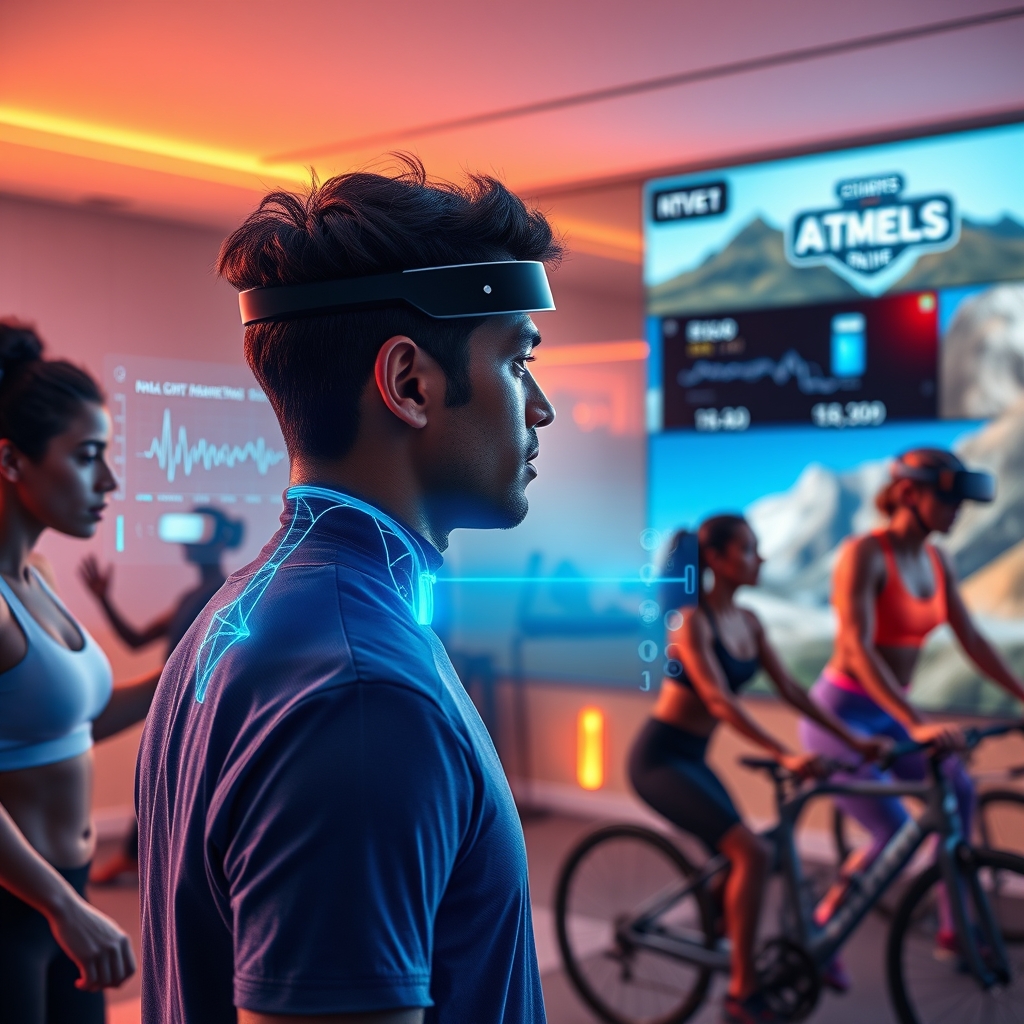
Fitness Tech 2026 represents the next evolution of smart fitness solutions, blending cutting-edge technology with personalized health and wellness. By 2026, advancements in artificial intelligence, wearable devices, and immersive training platforms will redefine how we exercise, track progress, and achieve fitness goals. From AI-powered coaches to biometric sensors and virtual reality workouts, the fitness industry is poised for a revolution that makes training smarter, more accessible, and highly engaging.
Imagine stepping into a gym where your workout adapts in real-time based on your heart rate, muscle fatigue, and even stress levels. This isn’t science fiction—it’s the reality of Fitness Tech 2026. Innovations like neural interface wearables, holographic trainers, and predictive analytics will empower users to train with precision, reducing injury risks while maximizing results. Furthermore, these technologies will bridge gaps in accessibility, making fitness inclusive for people of all ages and abilities.
What Are the Top Fitness Tech Trends Shaping 2026?
The fitness landscape in 2026 will be dominated by three key trends: hyper-personalization, seamless integration, and gamification. Hyper-personalization leverages AI to create dynamic workout plans tailored to individual genetics, lifestyle, and recovery patterns. For instance, smart mirrors and AI coaches will adjust exercises mid-session, ensuring optimal performance without overexertion.
Seamless integration will also play a pivotal role. Devices like smartwatches, fitness trackers, and even smart clothing will sync effortlessly with home gym equipment and mobile apps. This interconnected ecosystem will provide a holistic view of health metrics, from sleep quality to hydration levels. Besides, gamification will make fitness fun by incorporating augmented reality (AR) challenges, leaderboards, and rewards systems that keep users motivated.
How Will AI Transform Personal Training?
AI is set to become the ultimate personal trainer by 2026. Unlike traditional coaching, AI-driven platforms analyze vast datasets to predict performance trends and suggest adjustments. For example, an AI coach might detect early signs of fatigue and recommend active recovery instead of pushing through a high-intensity session. This proactive approach minimizes injuries and optimizes long-term progress.
Moreover, AI will democratize access to expert-level training. Virtual trainers with natural language processing (NLP) capabilities will offer real-time feedback, correcting form and providing encouragement just like a human coach. These systems will also integrate with smart home gyms, adjusting resistance levels and suggesting modifications based on biometric data. By 2026, over 60% of fitness enthusiasts are expected to use AI-powered coaching tools, making personalized training more affordable and scalable.
Will Wearable Tech Become More Advanced by 2026?
Wearable technology will undergo a dramatic transformation by 2026, evolving beyond step counters and heart rate monitors. Next-generation wearables will feature advanced sensors capable of tracking blood glucose levels, hydration, and even muscle oxygen saturation in real-time. These devices will provide actionable insights, helping users make informed decisions about their nutrition and recovery.
One of the most exciting developments is the rise of neural interface wearables. These devices, often embedded in headbands or earbuds, will monitor brainwave patterns to assess focus and stress levels during workouts. By analyzing this data, they can suggest mindfulness techniques or adjust training intensity to align with mental state. Additionally, smart fabrics with embedded sensors will become mainstream, offering unobtrusive monitoring without the need for bulky gadgets.
What Role Will Virtual Reality Play in Fitness?
Virtual reality (VR) will revolutionize fitness by creating immersive, interactive workout experiences. By 2026, VR fitness platforms will offer everything from scenic trail runs to competitive sports simulations, all from the comfort of home. Users will don VR headsets and step into virtual environments where they can box with holographic opponents, cycle through exotic landscapes, or even participate in global fitness challenges.
Beyond entertainment, VR will enhance motivation and engagement. Studies show that users who exercise in VR burn up to 25% more calories than those in traditional workouts, thanks to the distraction from physical exertion. Furthermore, VR will enable social fitness experiences, allowing friends to work out together in virtual spaces regardless of their physical locations. This blend of technology and community will redefine group fitness for the digital age.
How Affordable Will Fitness Tech Be in 2026?
As technology matures, fitness tech will become more accessible to the average consumer. By 2026, the cost of entry-level smart wearables is projected to drop by 30%, making them affordable for a broader audience. Subscription-based models for AI coaching and VR fitness platforms will also emerge, offering flexible pricing options. For example, users might pay a monthly fee of around $15 to $25 for access to premium features, including personalized training plans and virtual classes.
However, high-end devices like neural interface wearables and advanced smart home gyms will remain premium products. These innovations will cater to fitness enthusiasts and professionals willing to invest in cutting-edge technology. Nevertheless, the democratization of fitness tech will ensure that even budget-conscious users can benefit from basic yet effective tools like AI-powered apps and entry-level wearables.
Can Fitness Tech Improve Mental Health?
Fitness tech in 2026 will prioritize mental well-being alongside physical health. Wearables and apps will integrate mindfulness features, such as guided meditation and breathing exercises, to help users manage stress and anxiety. For instance, smartwatches will detect elevated stress levels and prompt users to take short breaks for relaxation, fostering a holistic approach to wellness.
Moreover, gamified fitness experiences will boost mental health by making exercise enjoyable and rewarding. Completing challenges, earning badges, and competing in virtual leagues will release dopamine, enhancing mood and motivation. Additionally, AI-driven platforms will use behavioral data to identify patterns and suggest lifestyle adjustments, such as improving sleep hygiene or incorporating more outdoor activities. By addressing both body and mind, fitness tech will become a cornerstone of overall well-being.
What Challenges Lie Ahead for Fitness Tech?
Despite its promise, fitness tech in 2026 will face several challenges. Data privacy remains a significant concern, as wearables and apps collect sensitive health information. Ensuring robust security measures and transparent data policies will be crucial to gaining user trust. Additionally, the rapid pace of innovation may lead to market saturation, making it difficult for consumers to choose the right products.
Another challenge is the digital divide. While fitness tech becomes more accessible, disparities in internet access and device affordability could exclude certain populations. Bridging this gap will require collaboration between tech companies, governments, and non-profits to provide equitable access to health technologies. Furthermore, the accuracy of biometric sensors and AI algorithms must continue to improve to deliver reliable insights and recommendations.
Frequently Asked Questions About Fitness Tech 2026
How Accurate Will Fitness Tech Be in 2026?
By 2026, fitness tech will achieve near-medical-grade accuracy, thanks to advancements in sensor technology and AI algorithms. Wearables will measure metrics like heart rate variability, blood pressure, and even hydration levels with over 95% accuracy. This precision will enable users to make data-driven decisions about their health and fitness routines.
Will Fitness Tech Replace Gyms and Trainers?
Fitness tech will complement rather than replace traditional gyms and trainers. While AI coaches and smart home gyms offer convenience, human trainers provide motivation, accountability, and personalized attention that technology cannot fully replicate. By 2026, hybrid models combining in-person and virtual training will become the norm, catering to diverse preferences and lifestyles.
What Is the Most Exciting Fitness Tech Innovation for 2026?
The most exciting innovation in Fitness Tech 2026 is the integration of neural interfaces with AI coaching. These systems will create a seamless feedback loop between the brain and body, optimizing performance and recovery. Imagine a workout where your brainwaves guide the intensity of your session, ensuring peak efficiency without burnout. This technology will redefine what it means to train smartly.
As we approach 2026, fitness tech will continue to break barriers, making health and wellness more personalized, engaging, and accessible. Whether through AI-driven coaching, immersive VR workouts, or advanced wearables, the future of fitness is bright—and it’s smarter than ever. Embracing these innovations will empower individuals to take control of their health, achieve their goals, and lead more active, fulfilling lives.