

How Good Culture Cottage Cheese Can Help You Build Muscle. Building muscle isn’t just about lifting weights — it’s about nutrition, recovery, and consistency.
And when it comes to nutrition, one food has quietly become a favorite among athletes, fitness enthusiasts, and bodybuilders alike: Good Culture cottage cheese.
In 2026, this wholesome dairy option stands out not only for its delicious taste but for its unique nutritional profile and muscle‑building benefits.
Let’s break down exactly how Good Culture cottage cheese can fuel your gains.
Why Protein Matters for Muscle Building
Before diving into Good Culture specifically, it helps to understand why protein is so crucial for muscle growth.
When you lift weights or perform resistance training, you create small tears in your muscle fibers. Your body repairs these micro‑tears by synthesizing new proteins, which makes muscles larger and stronger over time. This process is called muscle protein synthesis (MPS).
To fuel MPS effectively, your body needs:
- Adequate total daily protein
- A balance of essential amino acids
- Frequent protein intake throughout the day
In 2026, most sports nutrition guidelines recommend 1.6–2.2 grams of protein per kilogram of body weight per day (0.7–1 gram per pound) for individuals focused on maximizing muscle gain. For many lifters, that means 100–180+ grams of protein daily depending on body size, goals, and training intensity.
Good Culture cottage cheese fits beautifully into this strategy.
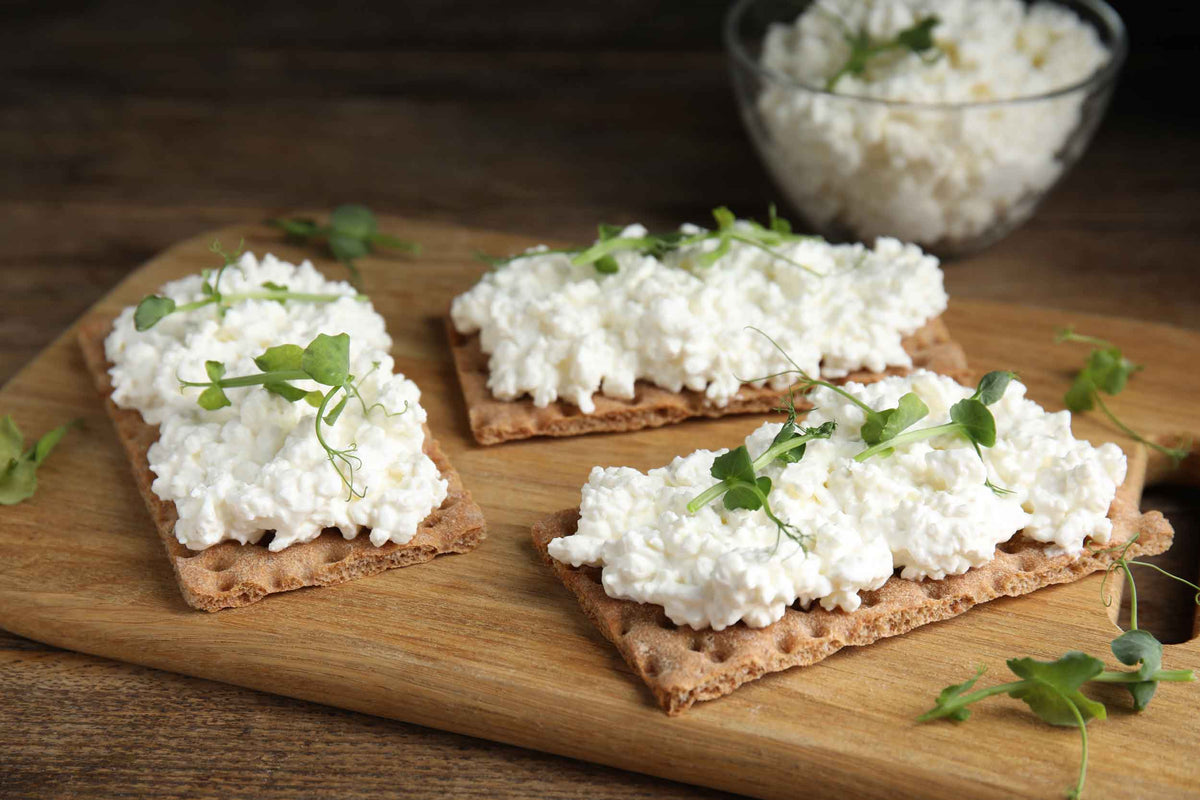
What Is Good Culture Cottage Cheese?
Good Culture (often styled GoodCulture) is a brand of cottage cheese that has gained popularity for its clean ingredients, great taste, and high‑quality protein.
Key features include:
- Simple ingredients: milk, live cultures, optional cream, salt (in some varieties)
- Non‑GMO milk — sourced from cows not treated with rBST
- Live and active cultures, which may support gut health
- High protein content per serving
- Variety of textures and flavors, including creamy, pineapple, peach, and savory mixes
Unlike some mass‑market cottage cheeses that use stabilizers or additives, Good Culture emphasizes a minimalist, clean label approach. In 2026, this focus aligns with broader consumer trends toward whole foods and gut‑friendly diets.
Nutrition Breakdown: Muscle‑Friendly Macros
To understand how Good Culture cottage cheese supports muscle building, let’s look at a typical serving’s macronutrient profile. While exact values vary by variety and flavor, a single cup (about 226g) of Good Culture cottage cheese generally provides roughly:
- Protein: ~25–28 grams
- Carbohydrates: ~6–10 grams
- Fat: ~2–5 grams (depending on whether it’s low‑fat or creamy)
- Calories: ~120–180 calories
This makes Good Culture cottage cheese an excellent protein source with minimal carbs and moderate fat — ideal for muscle repair and growth.
High Protein Density
Protein is the star here. With ~25–28 grams per cup, it provides levels comparable to many whey protein shakes — but with the added benefits of whole‑food nutrition.
Complete Protein
The protein in cottage cheese contains all essential amino acids, including leucine, a key trigger for muscle protein synthesis. Leucine directly activates the mTOR pathway, which signals muscles to grow.
Low in Carbohydrates (Typically)
Most Good Culture varieties are relatively low in carbs, making them flexible for both bulking and lean gain phases.
Healthy Fats (Optional)
Creamier versions contain more healthy fats, which can support satiety and hormonal balance.
The Protein Puzzle: Why Dairy Proteins Are Superior
Dairy proteins like those in cottage cheese score highly on the Protein Digestibility Corrected Amino Acid Score (PDCAAS) — a measure of how efficiently your body uses protein.
Cottage cheese provides:
- Casein protein (~80%) — slow‑digesting, providing sustained amino acid release
- Whey protein (~20%) — fast‑digesting, ideal after workouts
This blend gives you the best of both worlds:
- Immediate amino acids from whey
- Slow, long‑lasting fuel from casein
This dual release supports MPS over several hours, reducing muscle breakdown and improving recovery.
Good Culture’s Live and Active Cultures: Beyond Muscle
Good Culture cottage cheese contains live cultures, which are beneficial bacteria that can support gut health — and gut health is increasingly linked to overall wellness and nutrient absorption.
A healthy gut means:
- Better digestion of protein and nutrients
- Improved immune function
- Less likelihood of bloating or discomfort after meals
For serious lifters, better nutrient absorption can mean getting the most out of every meal — a subtle but meaningful edge.
How to Use Good Culture Cottage Cheese for Muscle Gain
Including cottage cheese in a muscle‑building diet is easy and versatile. Here’s how to use it throughout your day.
Breakfast
Cottage cheese makes a high‑protein breakfast when paired with:
- Fresh fruit (berries, peaches, pineapple)
- Oats or granola (for complex carbs)
- Nuts or seeds (for healthy fats)
Example:
Protein Power Bowl:
1 cup Good Culture cottage cheese
½ cup oats (cooked)
½ cup berries
1 tbsp chia seeds
This meal delivers slow carbs, fiber, and ~30–35 grams of protein — a perfect start, especially on training days.
Pre‑Workout Snack
An hour before training:
- ½ cup cottage cheese
- 1 small banana
This combo offers carbs for fuel and protein for muscle support — without heaviness.
Post‑Workout Recovery
Post‑workout nutrition should supply quick amino acids and moderate carbs:
- 1 cup Good Culture cottage cheese
- Honey drizzle or fruit compote
- A small handful of crushed pretzels or rice cakes
Aim for ~25–40g protein and 30–50g carbs within 2 hours after training to maximize recovery.
Before Bed
Because cottage cheese is rich in casein, it makes an excellent before‑bed snack:
- 1 cup cottage cheese
- A sprinkle of cinnamon or cocoa
- Few walnuts or flax seeds
Casein protein slowly releases amino acids through the night, helping prevent muscle breakdown during sleep.
Muscle‑Building Meal Ideas with Good Culture Cottage Cheese
Here are some creative recipes that keep muscle growth and flavor in mind:
1. Savory Power Bowl
Ingredients:
- 1 cup Good Culture plain cottage cheese
- Diced cucumber, cherry tomatoes, and bell peppers
- A sprinkle of everything bagel seasoning
- A drizzle of olive oil
- Salt, pepper, and fresh herbs
Protein + healthy fats + veggies = balanced, nutrient‑rich meal.
2. Cottage Cheese Pancakes
Blend:
- 1 cup cottage cheese
- 3 eggs
- ½ cup oat flour
- ½ tsp baking powder
Cook like pancakes. Serve with fresh fruit and low‑sugar syrup for a high‑protein breakfast or post‑workout treat.
3. Cottage Cheese Smoothie
Blend:
- 1 cup cottage cheese
- ½ banana
- 1 scoop whey protein
- 1 tbsp peanut butter
- Almond milk to blend
Packed with ~40g+ protein and rich flavor.
4. Tropical Cottage Cheese Bowl
Ingredients:
- 1 cup Good Culture cottage cheese
- ½ cup pineapple chunks
- Toasted coconut flakes
- Chia seeds
Perfect for summer gains and vitamin C support.
How Much Cottage Cheese Should You Eat?
There’s no one‑size‑fits‑all answer, but here’s a practical guideline:
- If your goal is muscle gain, aim for 1.2–1.5g protein per pound of body weight per day.
- A single cup of Good Culture cottage cheese provides ~25–28g protein — a substantial portion of that goal.
For example:
- A 180‑pound lifter may target 216–270g protein/day.
- Two cups of cottage cheese (50–56g protein) can supply ~20–25% of that total.
Split intake across meals:
- Breakfast: 20–30g
- Post‑workout: 25–40g
- Bedtime: 20–30g
This spacing supports constant muscle protein synthesis, reducing muscle breakdown and helping recovery.
Comparing Good Culture Cottage Cheese to Other Protein Sources
When choosing protein foods, context matters. Let’s compare Good Culture cottage cheese to other common options:
Cottage Cheese vs. Greek Yogurt
- Both are high‑protein dairy foods.
- Cottage cheese usually has higher protein per cup and more casein.
- Greek yogurt may be lower in fat and can be easier to flavor.
Cottage Cheese vs. Eggs
- Eggs provide ~6g protein each with great amino acid quality.
- Cottage cheese offers more protein per serving and is easier to scale.
Cottage Cheese vs. Whey Protein
- Whey is fast‑absorbing, ideal post‑workout.
- Cottage cheese delivers sustained release (casein) and is a whole food with vitamins and minerals.
Each has a role — and Good Culture works beautifully in a balanced portfolio of protein sources.
Good Culture and Gut Health: A Hidden Bonus
The live cultures in Good Culture cottage cheese may support gut health by promoting a favorable balance of bacteria in your digestive tract. While research on specific products continues to grow, evidence suggests that probiotics can help with:
- Improved digestion
- Reduced bloating
- Better immune support
This doesn’t directly build muscle, but better digestion supports better nutrient absorption, which in turn helps your body use the protein you eat more effectively.
Real World Stories: Athletes Use Cottage Cheese for Gains
Many athletes and coaches in 2026 incorporate cottage cheese into their nutrition plans. Here’s why:
Strength Athletes
They love:
- High bioavailability of protein
- Convenience
- Versatility in meals
Many use it daily — as a snack or meal component — to ensure consistent protein supply.
Endurance Athletes
While endurance athletes often need higher carbohydrate intake, cottage cheese provides lean recovery protein without excessive calories.
Bodybuilders
Casein‑rich foods like cottage cheese are especially popular for:
- Pre‑sleep muscle support
- Maintaining lean mass during cutting phases
These real‑world uses highlight how cottage cheese fits into diverse athletic plans — from bulking to cutting cycles.
Common Myths and Misconceptions
There are some misconceptions about cottage cheese — let’s clear them up:
Myth: Cottage Cheese Is Only for Seniors
False. While cottage cheese has been marketed as a health food for older adults, its protein profile makes it valuable for athletes of all ages.
Myth: Cottage Cheese Is Too High in Sodium
Some varieties contain added salt, but Good Culture offers low‑sodium or no‑salt options if you’re monitoring sodium.
Myth: Dairy Hampers Muscle Gain
Unless you have lactose intolerance or a dairy allergy, dairy proteins like cottage cheese are excellent for muscle growth.
Tips for Maximizing Muscle Gains With Cottage Cheese
To get the most from Good Culture cottage cheese:
- Pair with carbs post‑workout: Add fruit, rice cakes, or oats for glycogen replenishment.
- Use it before bed: Casein protein provides overnight muscle support.
- Don’t rely on one food: Balance your diet with meats, fish, eggs, legumes, and plant proteins.
- Watch portion sizes: Cottage cheese is calorie‑dense; adjust portions to your goals.
Consistency — not perfection — makes the difference.
Meal Planning: A Week of Muscle‑Focused Meals with Cottage Cheese
Here’s a muscle‑building meal plan that incorporates Good Culture cottage cheese daily:
Day 1
Breakfast: Cottage cheese bowl with granola and blueberries
Lunch: Turkey sandwich with spinach and avocado
Snack: Cottage cheese + honey
Dinner: Grilled chicken, sweet potato, broccoli
Day 2
Breakfast: Protein pancakes with cottage cheese
Lunch: Salmon quinoa salad
Snack: Cottage cheese + apple slices
Dinner: Steak, brown rice, asparagus
Day 3
Breakfast: Smoothie with cottage cheese, banana, peanut butter
Lunch: Beef stir‑fry
Snack: Cucumber and cottage cheese dip
Dinner: Shrimp pasta and salad
Day 4
Breakfast: Cottage cheese with mango and chia
Lunch: Chicken wrap
Snack: Cottage cheese + almonds
Dinner: Turkey chili
Day 5
Breakfast: Oats with cottage cheese and cinnamon
Lunch: Tuna salad
Snack: Cottage cheese + pineapple
Dinner: Pork loin, mashed cauliflower
Day 6
Breakfast: Egg white omelet + cottage cheese
Lunch: Quinoa bowl
Snack: Cottage cheese + berries
Dinner: Grilled fish, quinoa, spinach
Day 7
Breakfast: Smoothie bowl with cottage cheese
Lunch: Turkey burger
Snack: Cottage cheese + pumpkin seeds
Dinner: Veggie stir fry with tofu
This plan illustrates how easy it is to include cottage cheese in a balanced, muscle‑building diet.
How Good Culture Compares to Other Cottage Cheese Brands
Not all cottage cheese is created equal. Good Culture distinguishes itself by focusing on:
- Simple, clean ingredients
- Live, active cultures
- Non‑GMO milk
- No artificial stabilizers or fillers
Many mainstream cottage cheeses contain additives, gums, or preservatives that some consumers prefer to avoid. Good Culture’s minimalist approach resonates with people who want whole foods with transparent labeling.
Sustainability and Brand Values (2026 Perspective)
In 2026, consumers care not just about nutrition but about sourcing and sustainability. Good Culture has positioned itself as a brand that prioritizes:
- Responsibly sourced milk
- Non‑GMO practices
- Transparent labeling
- Some varieties with added gut‑friendly cultures
If environmental impact matters to you, Good Culture offers peace of mind that many traditional brands don’t highlight as clearly.
Final Thoughts: A Simple, Delicious Muscle‑Building Tool
Building muscle is a multi‑factor process — it requires training, recovery, sleep, and nutrition. Good Culture cottage cheese fits into that puzzle as a delicious, high‑quality protein source that:
- Provides complete protein with essential amino acids
- Helps fuel muscle protein synthesis
- Supports recovery after workouts
- Offers casein protein for sustained amino acid release
- Is versatile in meals and snacks
Whether you’re an athlete, bodybuilder, busy professional, or fitness enthusiast, Good Culture cottage cheese is a practical and effective addition to your muscle‑building diet in 2026 and beyond.