

Good Culture Cottage Cheese Nutrition. Good Culture cottage cheese has become one of the most talked‑about dairy products on the shelves in 2026 — and for good reason.
It’s not just delicious and versatile; it’s a nutrient‑dense food that fits perfectly into a wide range of dietary goals — from building muscle and losing weight to supporting gut health and everyday balanced eating.
Let’s explore what makes Good Culture cottage cheese a standout choice in nutrition in 2026.
What Is Good Culture Cottage Cheese?
Good Culture is a cottage cheese brand that emphasizes simple, high‑quality ingredients and live cultures. Their products typically contain milk, cream, sea salt, and live and active cultures, which can contribute to flavor and potential gut health benefits. Many dietitians and food experts continue to champion Good Culture for its creamy texture and nutrition profile compared with many conventional cottage cheese brands that add gums or stabilizers.
In addition to classic varieties, Good Culture also offers:
- Organic and non‑organic options
- Low‑fat and whole‑milk styles
- Fruit‑flavored blends like strawberry chia
- Lactose‑free options
The Basics: Calories and Macronutrients
Understanding nutrition begins with calories and macronutrients — protein, fat, and carbohydrates. Good Culture’s nutrition varies slightly by variety and fat level, but here’s a clear look at typical profiles:
Low‑Fat or 2% Milkfat Cottage Cheese
A standard serving (about half a cup / 110 g):
- Around 80–90 calories
- 2.5–3 g total fat
- 3 g carbohydrates
- 14–18 g protein
This version is ideal for high‑protein, lower‑calorie goals like weight loss or lean muscle building.
Organic 2% Milkfat Classic
A half‑cup serving contains roughly:
- 90 calories
- 2.5 g fat
- 3 g carbs
- 14 g protein
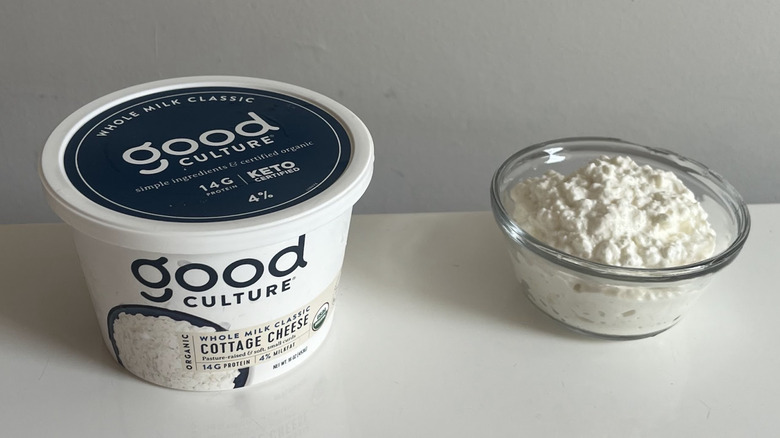
Organic 4% Whole Milk Classic
A richer half‑cup providing:
- About 100–140 calories
- 4–6 g fat
- 3 g carbohydrates
- 14–18 g protein
Flavored Varieties (e.g., Strawberry Chia)
These add fruit and seeds for:
- ~150 calories
- 5–9 g fat
- ~9 g sugar (natural + added)
- ~16 g protein
Serving sizes can vary for flavored cups, but they remain protein‑rich choices with a touch of sweetness.
Protein: The Standout Nutrient
One of the biggest reasons nutrition enthusiasts reach for Good Culture cottage cheese is protein content. High protein is essential for:
- Muscle repair and growth
- Satiety and appetite control
- Metabolic health
- Bone and immune support
Good Culture delivers 14–18 grams of protein per serving, which is comparable to or higher than many other dairy snacks.
That level easily competes with Greek yogurt and other high‑protein dairy foods — and because cottage cheese contains a mix of fast and slower‑digesting proteins like casein, it can deliver sustained amino acids throughout the day.
Experts note that cottage cheese in general typically provides more protein than Greek yogurt on a per‑gram basis, thanks to the way it’s made.
Fat Content: Adjustable to Your Goals
Good Culture offers options that vary in fat content, giving you flexibility based on your nutritional goals.
Low‑fat versions keep calories and saturated fat low, making them suitable for those watching fat intake or calories. Whole‑milk and higher‑fat versions offer more calories and a creamier texture, which can be helpful for:
- Higher‑calorie bulking diets
- Adding healthy fats to meals
- Improving food satisfaction
Fat content also affects flavor and mouthfeel, so your choice can be both nutritional and culinary.
Carbohydrates and Sugar: Simple and Minimal
Good Culture cottage cheese is generally low in carbohydrates — typically around 3 grams per serving for plain varieties.
This makes it compatible with:
- Low‑carb diets
- Keto‑inspired eating (when paired with low‑carb toppings)
- Balanced macros for weight management
Flavored varieties such as those with fruit may have slightly higher sugar content, but they still remain relatively moderate compared with many sweet dairy snacks.
Micronutrients: Vitamins and Minerals
Good Culture cottage cheese also provides a range of micronutrients that support overall health:
Calcium
Cottage cheese supplies calcium, critical for bone health, muscle function, and nerve transmission. A half‑cup delivers a meaningful portion of daily calcium needs.
Potassium
This mineral helps with fluid balance, muscle function, and blood pressure regulation, and is present in modest amounts.
B Vitamins and Others
While specific levels vary by style, dairy products naturally contain B vitamins (including riboflavin and B12), phosphorus, and selenium — all important for energy metabolism and antioxidant defense. Cottage cheese’s nutrient variety helps contribute to balanced health, similar to other high‑quality dairy.
Live and Active Cultures: Gut Health Bonus
Good Culture cottage cheese includes live and active cultures, making it different from many regular cottage cheeses. These probiotics — similar to those found in yogurt — may support digestion and a balanced gut microbiome, which in turn influences immune health and nutrient absorption.
Probiotics don’t make cottage cheese a probiotic powerhouse like yogurt or kefir, but their presence adds extra value to a food many people eat daily.
Ingredient Quality: Simple Is Better
One reason dietitians recommend brands like Good Culture is ingredient simplicity — typically just:
- Milk
- Cream
- Sea salt
- Live and active cultures
The absence of gums, thickeners, or artificial additives sets Good Culture apart from many conventional brands with longer ingredient lists, appealing to people who prefer clean, whole foods.
This minimal approach resonates with current food trends that emphasize transparency and simplicity.
Organic and Lactose‑Free Options
Good Culture offers both organic and lactose‑free cottage cheese varieties, making the product accessible to more dietary preferences and needs. Organic options use milk from cows raised without synthetic pesticides or fertilizers, catering to those seeking organic dairy.
The lactose‑free variety adds lactase enzyme to break down lactose, making it tolerable for people with lactose sensitivity without sacrificing protein or flavor.
How Good Culture Nutrition Compares to Other Dairy Foods
Cottage Cheese vs. Greek Yogurt
Both are high‑protein dairy choices, but they differ in texture, taste, and culture content. Cottage cheese tends to have slightly more protein per equivalent serving and offers a chunkier texture, while Greek yogurt is thicker and may have more probiotics listed explicitly. Experts note that cottage cheese contains slow‑digesting casein protein, which can help with satiety and sustained amino acid release.
Cottage Cheese vs. Ricotta or Cream Cheese
While ricotta and cream cheese are delicious, they generally contain less protein and more fat per serving. Good Culture cottage cheese strikes a balance of high protein and moderate fat.
Cottage Cheese vs. Milk
Milk offers some protein and essential nutrients, but cottage cheese concentrates protein significantly, giving you more grams of protein for fewer calories.
These comparisons show why cottage cheese remains a favorite among fitness enthusiasts, older adults seeking protein, and anyone focused on balanced nutrition.
Health Benefits Beyond Macros
Good Culture cottage cheese delivers more than just protein and calories — its nutrition supports broader health benefits:
Muscle and Weight Management
High‑quality protein contributes to muscle maintenance, especially important for aging adults and athletes alike. High protein also promotes satiety, which can help with appetite control and weight management.
Bone Health
Calcium, phosphorus, and protein work together to support bone strength — especially important as people age.
Gut Support
Live and active cultures don’t just offer flavor — they may support digestive health over time, particularly when combined with other fermented foods.
Flexible Diet Compatibility
Whether you’re following a low‑carb plan, a balanced whole foods approach, or an athletic nutrition strategy, Good Culture’s nutrition fits smoothly.
Practical Ways to Enjoy Good Culture Cottage Cheese
Cottage cheese is one of the most versatile foods in your kitchen. Here are some ways to incorporate Good Culture nutrition into your daily meals:
On Its Own
Season with pepper, drizzle with olive oil, or add fresh herbs for a savory snack.
Sweet Combos
Mix with berries, sliced banana, or pineapple for a refreshing, protein‑rich treat.
Smoothies
Blend cottage cheese with fruits and greens for a creamy, high‑protein smoothie.
Savory Bowls
Combine cottage cheese with quinoa, roasted veggies, and a drizzle of balsamic.
Baking Boost
Add it to pancakes or muffins to increase protein without impacting texture.
Potential Considerations
Sodium Content
Some plain cottage cheeses contain modest sodium due to the salt used in manufacturing. If you’re managing sodium for health reasons, look for lower‑sodium versions or rinse cottage cheese lightly before eating.
Allergies and Intolerances
Although lactose‑free options are available, people with milk allergies should avoid dairy products. Always check labels if you have sensitivities.
Portion Size Awareness
Flavorful varieties with fruit or chia seeds are slightly higher in calories and sugar (natural and added), so balance them according to your nutritional goals.
How to Read Cottage Cheese Labels Like a Pro
To make the most informed choice:
- Look for high protein per serving — ideally 14 g or more in a half‑cup.
- Choose products that list live and active cultures for potential digestive benefits.
- Check sodium levels if that’s a concern — some flavored varieties may have more.
- Compare fat levels based on calorie goals — low‑fat for lean eating or whole milk for extra calories and creaminess.
Final Thoughts: Good Culture Cottage Cheese in 2026 Nutrition
Good Culture cottage cheese combines solid nutrition, clean ingredients, and flavorful versatility, making it a standout choice in 2026 for anyone focused on balanced eating and protein‑rich foods.
With:
- High protein content
- Low to moderate calories
- Limited carbs
- Simple ingredients
- Live cultures
it’s no surprise that health experts and food critics continue to recommend it — whether you’re building muscle, managing weight, or simply seeking a nutritious, everyday food.
Next time you’re shopping the dairy aisle, now you’ll understand exactly why Good Culture cottage cheese deserves a place in your fridge.