
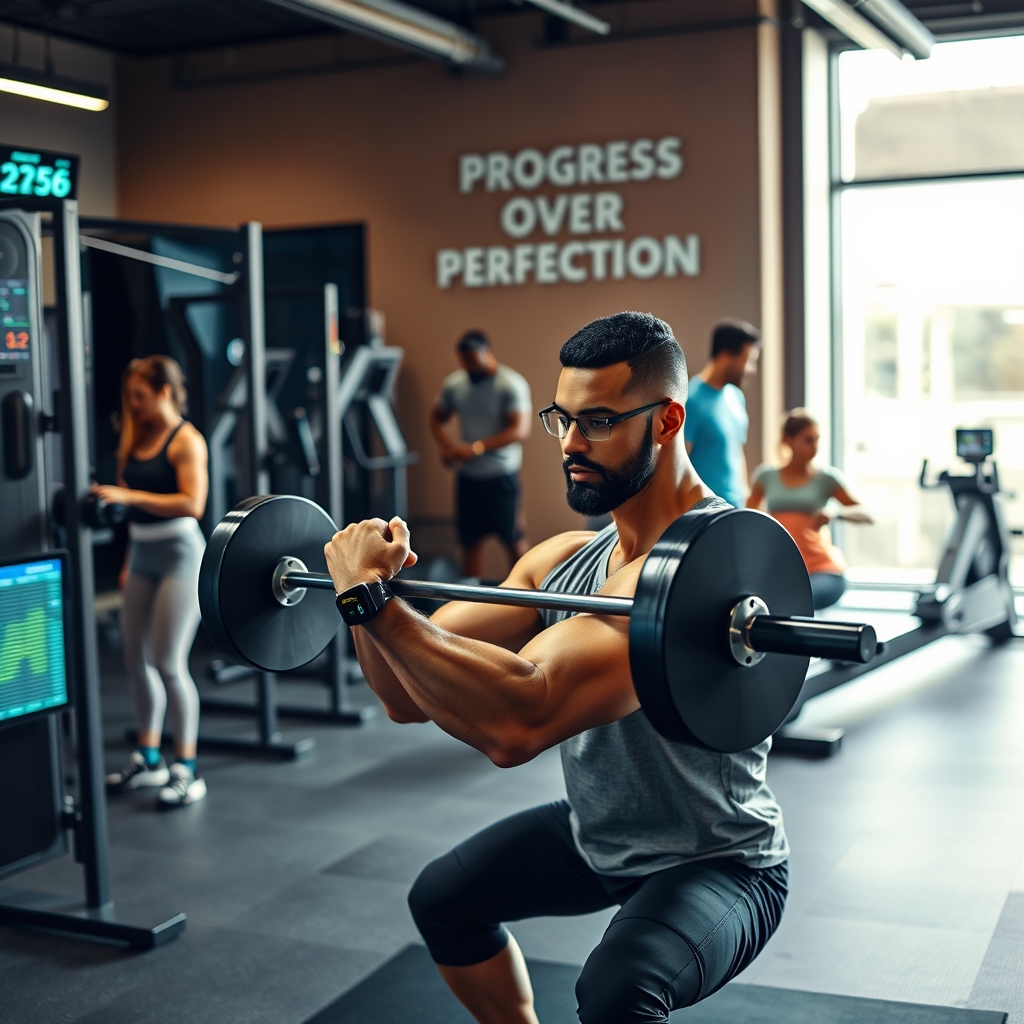
If you’re looking to transform your fitness in 2026, choosing the right gym program is the first step to success. Whether you want to build muscle, improve endurance, lose fat, or enhance mobility, evidence-based gym programs tailored to your goals will maximize results while minimizing injury risk.
This guide breaks down the most effective gym programs for 2026, backed by exercise science and real-world outcomes. You’ll learn how to select a program based on your objectives, structure workouts for efficiency, and adapt plans as your fitness evolves.
Key Takeaways
- Gym programs should align with specific goals—strength, hypertrophy, endurance, or fat loss—using progressive overload principles.
- Personalization (e.g., recovery needs, equipment access) improves adherence and long-term results.
- Data from wearables and AI-driven apps can optimize program adjustments in real time.
- Consistency and proper form outweigh short-term intensity for sustainable progress.
How Do Gym Programs Differ Based on Fitness Goals?
Gym programs aren’t one-size-fits-all. A powerlifter’s regimen differs drastically from a marathon runner’s or someone focused on functional fitness. The primary variables that shape a program include:
- Volume: Total reps, sets, and weekly frequency (e.g., 10–20 sets per muscle group for hypertrophy).
- Intensity: Load relative to one-rep max (1RM) or perceived exertion (e.g., 70–85% 1RM for strength).
- Exercise selection: Compound lifts (squats, deadlifts) vs. isolation movements (bicep curls).
- Rest intervals: 30–90 seconds for hypertrophy, 2–5 minutes for maximal strength.
For example, a 2023 meta-analysis published in the Journal of Strength and Conditioning Research confirmed that higher training volumes (12–20 sets per muscle group weekly) significantly improve muscle growth compared to lower volumes. This data underscores why bodybuilders prioritize volume, while strength athletes focus on intensity.
What Are the Top Gym Programs for Strength in 2026?
Strength-focused gym programs emphasize progressive overload—gradually increasing weight, reps, or sets over time. The most effective protocols for 2026 include:
5/3/1 Method
Developed by Jim Wendler, this program cycles intensity weekly (e.g., 65%, 75%, 85% of 1RM) with submaximal weights to balance strength gains and recovery. It’s ideal for lifters who want sustainable progress without burnout.
Starting Strength
A linear progression program for beginners, Starting Strength prescribes 3 sets of 5 reps for compound lifts (squat, bench press, deadlift) with incremental weight increases. It’s simple but highly effective for building foundational strength.
Conjugate Method
Popularized by Westside Barbell, this advanced program alternates max-effort days (1–3RM lifts) with dynamic-effort days (speed work at 50–60% 1RM). It’s designed for athletes who need explosive power alongside raw strength.
Which Gym Programs Work Best for Muscle Growth?
Hypertrophy (muscle growth) requires a mix of mechanical tension, metabolic stress, and muscle damage. Programs like these optimize all three:
Push/Pull/Legs (PPL) Split
A 6-day split (e.g., push: chest/shoulders/triceps, pull: back/biceps, legs: quads/hamstrings/calves) allows high weekly volume per muscle group. Research shows that training muscles 2–3 times per week maximizes protein synthesis.
Upper/Lower Split
This 4–5 day program alternates upper-body and lower-body sessions, balancing frequency and recovery. It’s versatile for intermediate lifters and adaptable to home or gym settings.
Bodybuilding-Style Programs
Programs like Arnold Schwarzenegger’s