
By 2026, fitness tech will transform how you train, recover, and track progress—whether you’re a beginner or a seasoned athlete. This guide breaks down the latest advancements in wearable devices, AI-driven coaching, and smart gym equipment, helping you choose the right tools to meet your goals.
You’ll learn which innovations deliver real results, how to integrate them into your routine, and what to expect from the next wave of fitness technology.
Key Takeaways
- AI-powered wearables now provide hyper-personalized workout and recovery plans based on real-time biometrics.
- Smart gym equipment adapts resistance, form feedback, and difficulty in real time for safer, more effective training.
- Virtual coaching platforms combine motion tracking with AI to offer affordable, on-demand guidance for all fitness levels.
- Data privacy and interoperability remain critical—choose devices that comply with HIPAA and GDPR standards for health data security.
How Will AI Change Personal Training in 2026?
Artificial intelligence is no longer a novelty in fitness tech—it’s a necessity. By 2026, AI-driven platforms analyze movement patterns, heart rate variability, and muscle activation to generate dynamic workout plans. For example, apps like Future and Freeletics now use computer vision to correct form in real time, reducing injury risk while maximizing efficiency.
These systems also adapt to your progress. If you’re fatigued, the AI might suggest active recovery instead of high-intensity intervals. If you’re plateauing, it adjusts volume or intensity based on performance trends. The result? Training that evolves with you, eliminating guesswork.
What Are the Most Effective Wearable Devices Right Now?
Wearables have moved beyond step counting. In 2026, the best devices track:
- Metabolic efficiency: Continuous glucose monitors (CGMs) paired with fitness trackers help optimize nutrition and energy levels.
- Muscle oxygenation: Near-infrared spectroscopy (NIRS) sensors measure how hard your muscles are working, useful for endurance athletes.
- Stress and recovery: Heart rate variability (HRV) and sleep quality data now integrate with training apps to prevent overtraining.
Brands like Whoop, Oura, and Polar lead the market, but newer entrants focus on affordability. For instance, Amazfit’s latest budget tracker includes SpO2 and ECG monitoring, making advanced metrics accessible to more users.
Can Smart Gym Equipment Replace Personal Trainers?
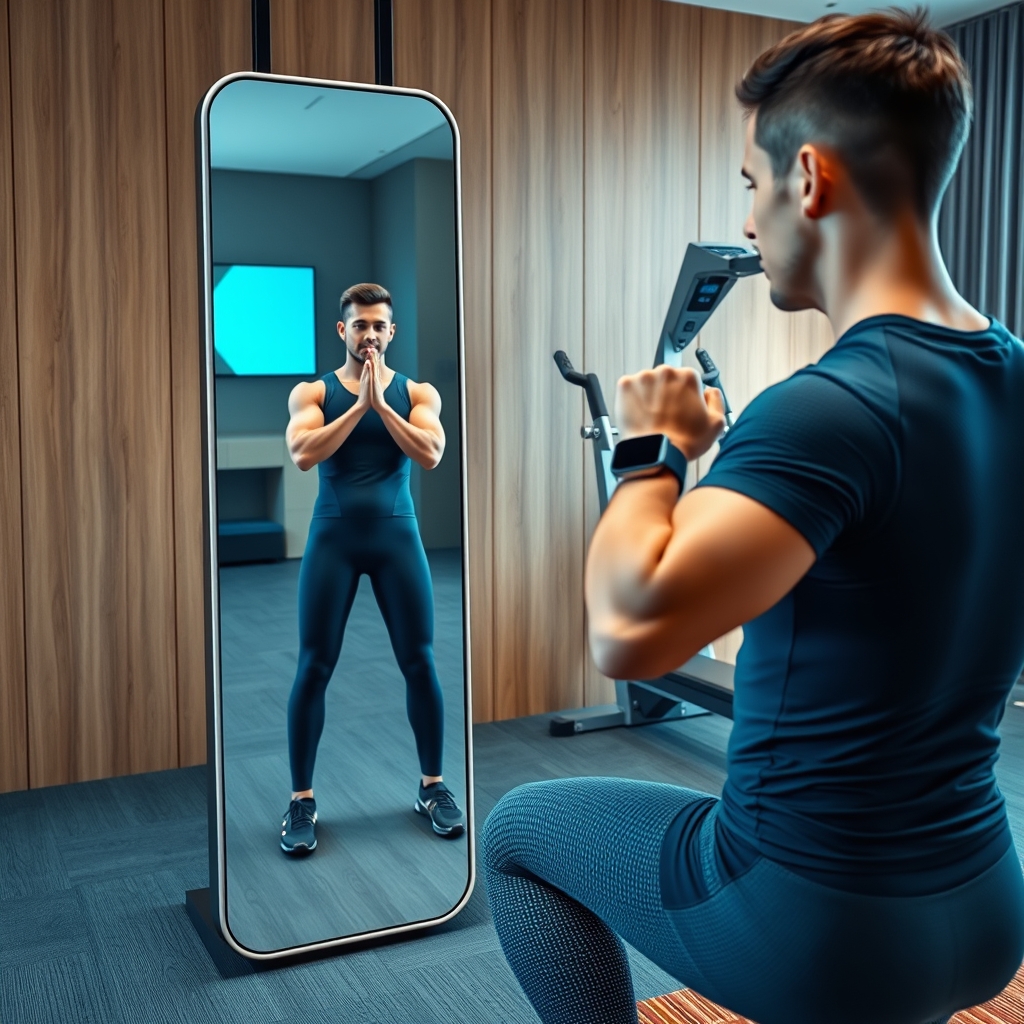
Smart gym equipment—like Tonal, Mirror, and Peloton’s latest offerings—combines resistance training with AI coaching. These systems adjust weight, provide form feedback, and even suggest modifications for injuries. While they can’t fully replace human trainers, they bridge the gap for those who prefer home workouts.
A 2025 study by the Journal of Sports Sciences found that users of AI-guided strength training equipment saw a 23% improvement in form consistency compared to traditional home workouts. The key advantage? Real-time corrections that prevent bad habits before they start.
How Do You Choose the Right Fitness Tech for Your Goals?
Not all fitness tech is created equal. Start by defining your primary goal:
- Weight loss: Prioritize devices with metabolic tracking (e.g., CGMs) and AI-driven meal planning.
- Strength training: Look for smart equipment with adaptive resistance and form analysis.
- Endurance sports: Invest in wearables with muscle oxygenation and advanced HRV monitoring.
Next, consider compatibility. The best devices sync with multiple platforms (e.g., Apple Health, Google Fit, Strava) to avoid data silos. Finally, check for firmware updates—top brands like Garmin and Fitbit release quarterly improvements to algorithms and features.
What’s Next for Fitness Tech Beyond 2026?
The next frontier includes:
- Neural interfaces: Early prototypes (e.g., CTRL-Labs by Meta) use electromyography (EMG) to control devices with muscle signals, potentially revolutionizing rehab and accessibility.
- Haptic feedback clothing: Smart fabrics with embedded sensors provide tactile cues for posture and movement, useful for runners and yogis.
- Decentralized data: Blockchain-based health records could give users full control over their biometric data, improving privacy and interoperability.
For now, focus on tools that solve immediate problems—whether it’s improving sleep, refining technique, or staying motivated. The best fitness tech doesn’t just collect data; it helps you act on it.
Start by identifying one area where technology can fill a gap in your routine. Maybe it’s a wearable to track recovery, or a smart resistance band to perfect your squat form. Test a few options, prioritize interoperability, and let the data guide your next move—no guesswork required.