
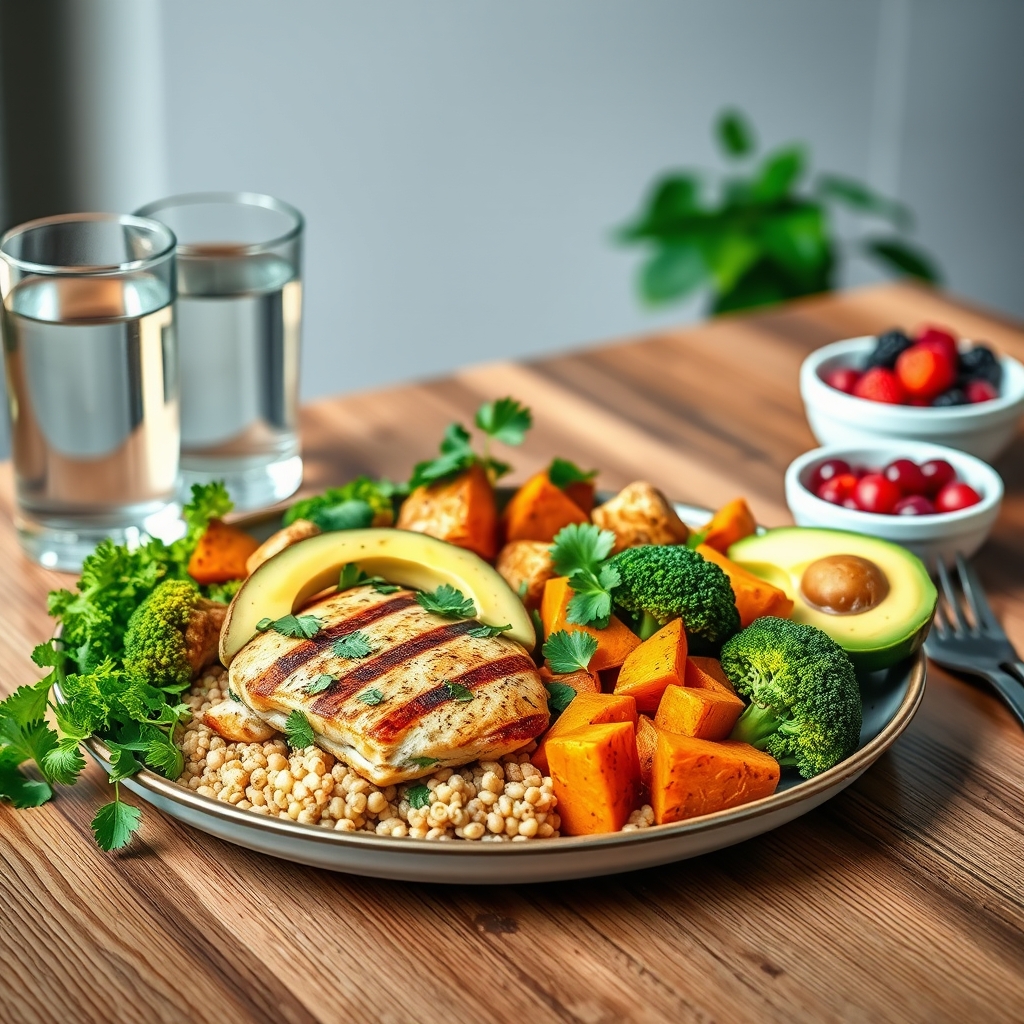
High protein recipes are meals designed to maximize your protein intake, supporting muscle growth, repair, and overall health. Whether you’re an athlete, fitness enthusiast, or simply looking to maintain a balanced diet, incorporating high protein foods into your meals can help you feel fuller for longer, stabilize blood sugar levels, and enhance recovery. With protein-rich ingredients like lean meats, legumes, dairy, and plant-based alternatives, these recipes are both delicious and nutrient-dense. In 2024, the focus on high protein diets continues to grow, with studies showing that consuming at least 20-30 grams of protein per meal optimizes muscle synthesis and satiety.
Besides being essential for muscle development, protein plays a crucial role in immune function, hormone production, and enzyme activity. Many people struggle to meet their daily protein requirements, which is why high protein recipes are a game-changer. Furthermore, these meals are versatile, catering to various dietary preferences, including vegan, vegetarian, and gluten-free lifestyles. If you’re ready to transform your meals, let’s explore some of the best high protein recipes that are easy to prepare and packed with flavor.
Why Should You Prioritize High Protein Meals?
Protein is one of the three macronutrients your body needs in large amounts, alongside carbohydrates and fats. Unlike carbs and fats, protein is not stored in the body, meaning you need a consistent supply to maintain optimal function. A diet rich in high protein foods can help with weight management by reducing cravings and increasing metabolism. In fact, research from 2023 indicates that individuals who consume 1.6 grams of protein per kilogram of body weight daily experience better fat loss while preserving lean muscle mass.
In addition, high protein meals support bone health, as protein makes up about 50% of bone volume. Many people associate calcium with bone strength, but protein is equally important. Moreover, protein-rich foods like eggs, chicken, and Greek yogurt contain essential amino acids that your body cannot produce on its own. These amino acids are vital for tissue repair, making high protein recipes ideal for post-workout recovery.
What Are the Best Protein Sources for Your Recipes?
When crafting high protein recipes, choosing the right ingredients is key. Animal-based proteins, such as chicken breast, turkey, lean beef, and fish, are complete proteins, meaning they contain all nine essential amino acids. A single 100-gram serving of chicken breast provides approximately 31 grams of protein, making it a staple in many high protein diets. For those following a plant-based diet, options like lentils, chickpeas, tofu, and quinoa are excellent choices, offering around 8-18 grams of protein per serving.
Dairy products like Greek yogurt and cottage cheese are also fantastic protein sources, with Greek yogurt containing up to 10 grams of protein per 100 grams. Besides being protein-packed, these ingredients are versatile and can be incorporated into breakfast, lunch, dinner, and snacks. However, it’s important to balance protein intake with other nutrients to ensure a well-rounded diet. Combining protein with fiber-rich vegetables and healthy fats can enhance meal satisfaction and nutrient absorption.
How Can You Prepare Quick and Easy High Protein Breakfasts?
Starting your day with a high protein breakfast sets the tone for sustained energy and reduced hunger throughout the morning. One of the simplest and most effective options is a Greek yogurt parfait. Layer 200 grams of Greek yogurt with a handful of berries, a sprinkle of chia seeds, and a drizzle of honey for a meal that delivers around 20 grams of protein. This breakfast takes less than five minutes to prepare and is perfect for busy mornings.
Another quick option is scrambled eggs with spinach and feta. Two large eggs provide 12 grams of protein, while adding spinach and feta boosts the nutrient profile with iron, calcium, and healthy fats. Furthermore, you can prepare this meal in under 10 minutes, making it ideal for those with tight schedules. If you prefer a grab-and-go option, consider protein smoothies. Blend one scoop of whey or plant-based protein powder (20-25 grams of protein) with almond milk, a banana, and a tablespoon of peanut butter for a filling and portable breakfast.
What Are Some High Protein Lunch Ideas for Work or School?
Lunch is an excellent opportunity to refuel with a high protein meal that keeps you full and focused. A grilled chicken salad is a classic choice, combining 150 grams of grilled chicken breast (46 grams of protein) with mixed greens, cherry tomatoes, cucumber, and avocado. Drizzle with olive oil and lemon juice for a light yet satisfying meal. This option is not only protein-rich but also packed with vitamins and antioxidants.
For a plant-based alternative, try a chickpea and quinoa bowl. One cup of cooked quinoa provides 8 grams of protein, while a cup of chickpeas adds another 15 grams. Top with roasted vegetables, tahini dressing, and a sprinkle of pumpkin seeds for extra crunch and nutrition. Besides being delicious, this meal is rich in fiber, which aids digestion and promotes gut health. If you’re short on time, prepping these ingredients in advance can make assembly a breeze.
Can High Protein Dinners Help with Weight Loss?
High protein dinners are a powerful tool for weight loss because they increase satiety and reduce late-night cravings. One of the most effective options is baked salmon with roasted vegetables. A 150-gram serving of salmon provides 34 grams of protein, along with omega-3 fatty acids that support heart health. Pair it with broccoli, bell peppers, and sweet potatoes for a balanced meal that’s both nutritious and satisfying.
Another excellent choice is turkey and black bean chili. Ground turkey is a lean protein source, offering 28 grams of protein per 100 grams, while black beans add fiber and plant-based protein. This dish is not only filling but also easy to make in large batches, making it perfect for meal prepping. Furthermore, studies have shown that individuals who consume high protein dinners experience a 15% reduction in late-night snacking, which can significantly aid weight loss efforts.
What Are Some High Protein Snacks to Keep You Full Between Meals?
Snacking can either make or break your diet, but high protein snacks can help you stay on track. Hard-boiled eggs are a convenient option, with each egg providing 6 grams of protein. Pair them with a small handful of almonds for an extra 6 grams of protein and healthy fats. This combination is portable, easy to prepare, and keeps you full for hours.
Cottage cheese with pineapple is another great snack, offering 14 grams of protein per half-cup serving. The natural sweetness of pineapple balances the tanginess of cottage cheese, making it a delicious and satisfying treat. If you’re looking for something savory, try roasted edamame. A half-cup serving contains 9 grams of protein and is rich in fiber, making it an ideal snack for curbing hunger.
Are High Protein Recipes Suitable for Everyone?
While high protein recipes offer numerous benefits, they may not be suitable for everyone. Individuals with kidney issues should consult a healthcare provider before increasing protein intake, as excessive protein can strain the kidneys. However, for most healthy adults, a high protein diet is safe and beneficial. The key is to choose a variety of protein sources and balance them with other nutrients.
Moreover, high protein recipes can be adapted to fit different dietary needs, including low-carb, keto, and vegan diets. For example, replacing animal proteins with tofu, tempeh, or lentils can create delicious plant-based high protein meals. Besides, incorporating a mix of protein sources ensures you get a wide range of nutrients, from iron and zinc to B vitamins and healthy fats.
Frequently Asked Questions About High Protein Recipes
How Much Protein Do You Need Daily?
The recommended daily protein intake varies based on age, activity level, and goals. For sedentary adults, the general guideline is 0.8 grams of protein per kilogram of body weight. However, active individuals or those looking to build muscle may need 1.2 to 2.2 grams per kilogram. For example, a 70-kilogram person aiming for muscle gain should consume 84-154 grams of protein daily.
Can High Protein Recipes Help with Muscle Recovery?
Absolutely. Protein is essential for repairing and building muscle tissue, especially after exercise. Consuming high protein meals within 30-60 minutes post-workout can enhance recovery and reduce muscle soreness. Foods like chicken, eggs, and whey protein are particularly effective due to their high leucine content, an amino acid that stimulates muscle protein synthesis.
Are Plant-Based High Protein Recipes as Effective as Animal-Based Ones?
Yes, plant-based high protein recipes can be just as effective, provided they include a variety of protein sources. Combining foods like beans, lentils, quinoa, and nuts ensures you get all essential amino acids. For instance, a meal of rice and beans creates a complete protein, offering similar benefits to animal-based proteins. However, plant-based proteins may require slightly larger portions to meet protein needs.
Incorporating high protein recipes into your diet is a simple yet powerful way to improve your health, boost energy, and achieve your fitness goals. Whether you’re whipping up a quick breakfast, packing a protein-packed lunch, or enjoying a satisfying dinner, these meals are designed to fuel your body and keep you feeling your best. Start experimenting with these recipes today and experience the transformative benefits of a high protein diet.