
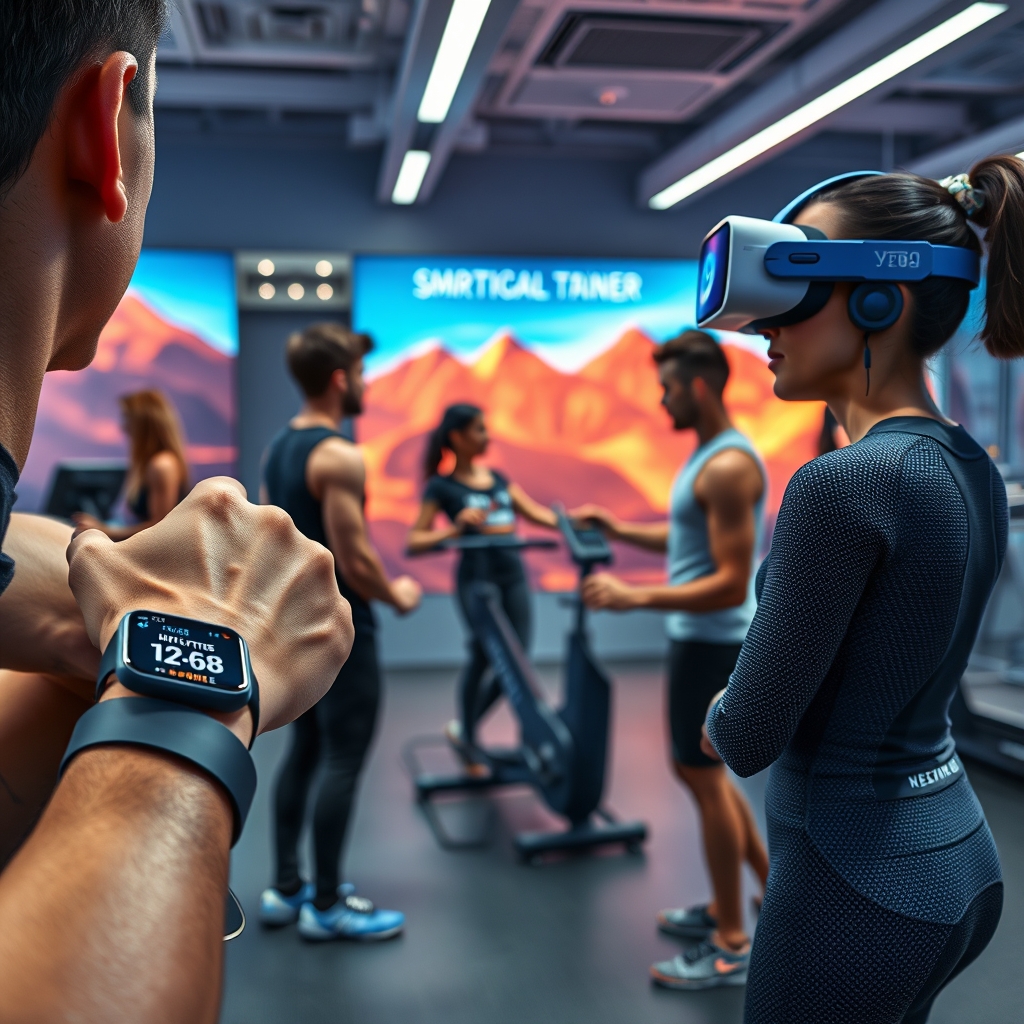
Fitness tech in 2026 is revolutionizing how we exercise, track progress, and prioritize wellness. From AI-powered wearables to immersive virtual training, the next generation of fitness technology is smarter, more personalized, and seamlessly integrated into daily life. By blending cutting-edge advancements with user-friendly design, these innovations are making health and fitness more accessible, engaging, and effective than ever before. Whether you’re a casual gym-goer or a professional athlete, fitness tech in 2026 is set to transform your approach to well-being.
What Are the Top Fitness Tech Trends Shaping 2026?
In 2026, fitness technology is evolving at an unprecedented pace, driven by advancements in artificial intelligence, biometrics, and connectivity. One of the most significant trends is the rise of AI-driven personal trainers. These virtual coaches analyze your performance in real time, offering tailored feedback and adjusting workouts to match your fitness level. They learn from your habits, ensuring every session is optimized for maximum results.
Furthermore, wearable devices are becoming more sophisticated. Smartwatches and fitness trackers now monitor not just steps and heart rate but also stress levels, sleep quality, and even hydration. By 2026, expect wearables to predict potential health issues before they arise, thanks to predictive analytics. This proactive approach to wellness is shifting the focus from reactive care to preventive health.
Besides wearables, smart gym equipment is gaining traction. Treadmills, bikes, and strength machines are now equipped with interactive screens, offering live classes, virtual races, and gamified challenges. These innovations make workouts more engaging, helping users stay motivated and consistent. The global smart fitness equipment market is projected to exceed $12 billion by 2026, reflecting its growing popularity.
How Is AI Transforming Personalized Fitness?
Artificial intelligence is the backbone of personalized fitness in 2026. AI algorithms process vast amounts of data from wearables, apps, and even genetic testing to create hyper-personalized workout plans. For instance, if your DNA suggests a higher risk of joint issues, your AI coach might recommend low-impact exercises and recovery techniques tailored to your needs.
In addition, AI-powered apps now offer real-time form correction during workouts. Using your smartphone camera or smart mirrors, these systems analyze your movements and provide instant feedback. This reduces the risk of injury and ensures you’re performing exercises correctly. Imagine having a personal trainer in your pocket, available 24/7 without the hefty price tag.
Moreover, AI is enhancing recovery strategies. By tracking your sleep patterns, muscle soreness, and stress levels, these systems suggest optimal recovery routines. Whether it’s dynamic stretching, foam rolling, or mindfulness exercises, AI ensures your body gets the care it needs to perform at its best.
Will Virtual Reality Dominate Home Workouts?
Virtual reality (VR) is no longer just for gaming—it’s becoming a game-changer in home fitness. By 2026, VR workouts are expected to be a mainstream option, offering immersive experiences that make exercise feel like an adventure. Picture yourself cycling through the Swiss Alps or practicing yoga on a tropical beach, all from the comfort of your living room.
Furthermore, VR fitness platforms are incorporating social elements. You can join live classes, compete with friends, or even work out alongside virtual trainers. This sense of community and competition keeps users engaged and accountable. Studies show that VR workouts can increase motivation by up to 30%, making them a powerful tool for those who struggle with consistency.
However, VR fitness isn’t without challenges. High-quality headsets can be expensive, with prices ranging from $300 to $1,000. Additionally, some users report discomfort after prolonged use, such as motion sickness or eye strain. Despite these hurdles, the convenience and engagement of VR workouts are making them a staple in the fitness tech landscape.
Are Smart Fabrics the Next Big Thing in Fitness Wearables?
Smart fabrics are set to redefine fitness wearables by 2026. Unlike traditional trackers, these textiles are embedded with sensors that monitor biometrics directly from your clothing. Imagine a shirt that tracks your heart rate, breathing, and muscle activity without needing a separate device. This technology is not only more comfortable but also more accurate, as it eliminates the risk of misplaced sensors.
In addition, smart fabrics are being designed for specific sports. For example, running shirts can measure stride length and cadence, while yoga pants track your flexibility and balance. This level of detail helps athletes fine-tune their performance and avoid injuries. The global smart textiles market is expected to grow by over 25% annually, reaching $5.5 billion by 2026.
Besides performance tracking, smart fabrics are also focusing on sustainability. Many brands are using eco-friendly materials like recycled polyester and biodegradable sensors. This aligns with the growing demand for sustainable fitness tech, making smart fabrics a win-win for both performance and the planet.
How Will Fitness Tech Improve Mental Wellness in 2026?
Fitness tech in 2026 isn’t just about physical health—it’s also prioritizing mental wellness. Wearables and apps are now integrating features to monitor stress, anxiety, and emotional well-being. For example, some smartwatches use heart rate variability (HRV) to detect stress levels and suggest breathing exercises or meditation sessions.
Furthermore, AI-driven mental health coaches are becoming more prevalent. These virtual assistants provide personalized recommendations based on your mood, sleep quality, and daily habits. They might suggest a quick mindfulness session during a stressful workday or a nature walk to boost your mood. This holistic approach to wellness ensures that mental health is given the same attention as physical fitness.
Besides individual tools, fitness tech is fostering community support. Social fitness apps allow users to share their progress, join challenges, and connect with like-minded individuals. This sense of belonging and accountability is crucial for maintaining long-term mental and physical health. By 2026, expect fitness tech to blur the lines between physical and mental wellness, offering comprehensive solutions for a healthier life.
FAQ: Your Fitness Tech 2026 Questions Answered
What Is the Most Affordable Fitness Tech in 2026?
The most affordable fitness tech in 2026 includes budget-friendly smartwatches and fitness trackers. Brands like Xiaomi and Amazfit offer devices under $100 that track steps, heart rate, and sleep. Additionally, free or low-cost fitness apps provide guided workouts, making fitness accessible to everyone.
Can Fitness Tech Help with Weight Loss?
Absolutely. Fitness tech in 2026 offers tools like calorie-tracking apps, AI nutrition coaches, and smart scales that monitor body composition. These innovations provide personalized insights and accountability, making weight loss more achievable. Studies show that users who track their progress with fitness tech lose up to 50% more weight than those who don’t.
Is Fitness Tech Safe for All Ages?
Most fitness tech is designed to be safe for all ages, but it’s essential to choose age-appropriate devices. For children, look for wearables with parental controls and limited data collection. For seniors, opt for devices with large displays, fall detection, and emergency alerts. Always consult a healthcare provider before starting any new fitness program.
Embracing the Future of Fitness Tech
Fitness tech in 2026 is more than just gadgets—it’s a holistic ecosystem designed to enhance every aspect of your well-being. From AI-driven personalization to immersive VR workouts, these innovations are making fitness smarter, more engaging, and more accessible. As technology continues to evolve, the possibilities for improving health and wellness are limitless.
Whether you’re looking to boost your performance, recover faster, or simply stay motivated, fitness tech in 2026 has something for everyone. The future of fitness is here, and it’s time to embrace it. Start exploring these innovations today and take your wellness journey to the next level.