
:max_bytes(150000):strip_icc()/The-Best-Time-to-Eat-Chia-Seeds-for-Maximum-Fiber-Benefits-d5db956611c048b7a4bb6062cab24d15.jpg "How to Fiber-Max: The Secret to 2026 Gut Health & Longevity")
How to Fiber-Max, The health landscape of 2026 has shifted its focus from restrictive dieting to a philosophy of “maximalism.” We are no longer just counting calories or obsessing over macronutrient ratios in isolation.
Instead, the most forward-thinking wellness enthusiasts are practicing what experts call “Fiber-Maxing.” This strategy involves intentionally flooding the digestive system with diverse plant fibers to optimize the gut microbiome.
Scientific breakthroughs have recently linked this high-fiber lifestyle to significant improvements in long-term human longevity. By understanding how to properly fuel your internal ecosystem, you can unlock unprecedented levels of energy and immunity.
The New Gold Standard for the Microbiome
For decades, we viewed fiber simply as a tool for digestive regularity or “roughage.” Modern research now proves that fiber acts as the primary fuel source for our beneficial gut bacteria. When these bacteria ferment fiber, they produce short-chain fatty acids like butyrate, which reduce systemic inflammation. This process strengthens the gut barrier and prevents harmful toxins from entering the bloodstream. Furthermore, a diverse fiber intake supports a wider variety of bacterial species within your unique internal “garden.” What’s interesting is that this microbial diversity is the most accurate predictor of a healthy aging process.

The Pillars of the Fiber-Maxing Protocol
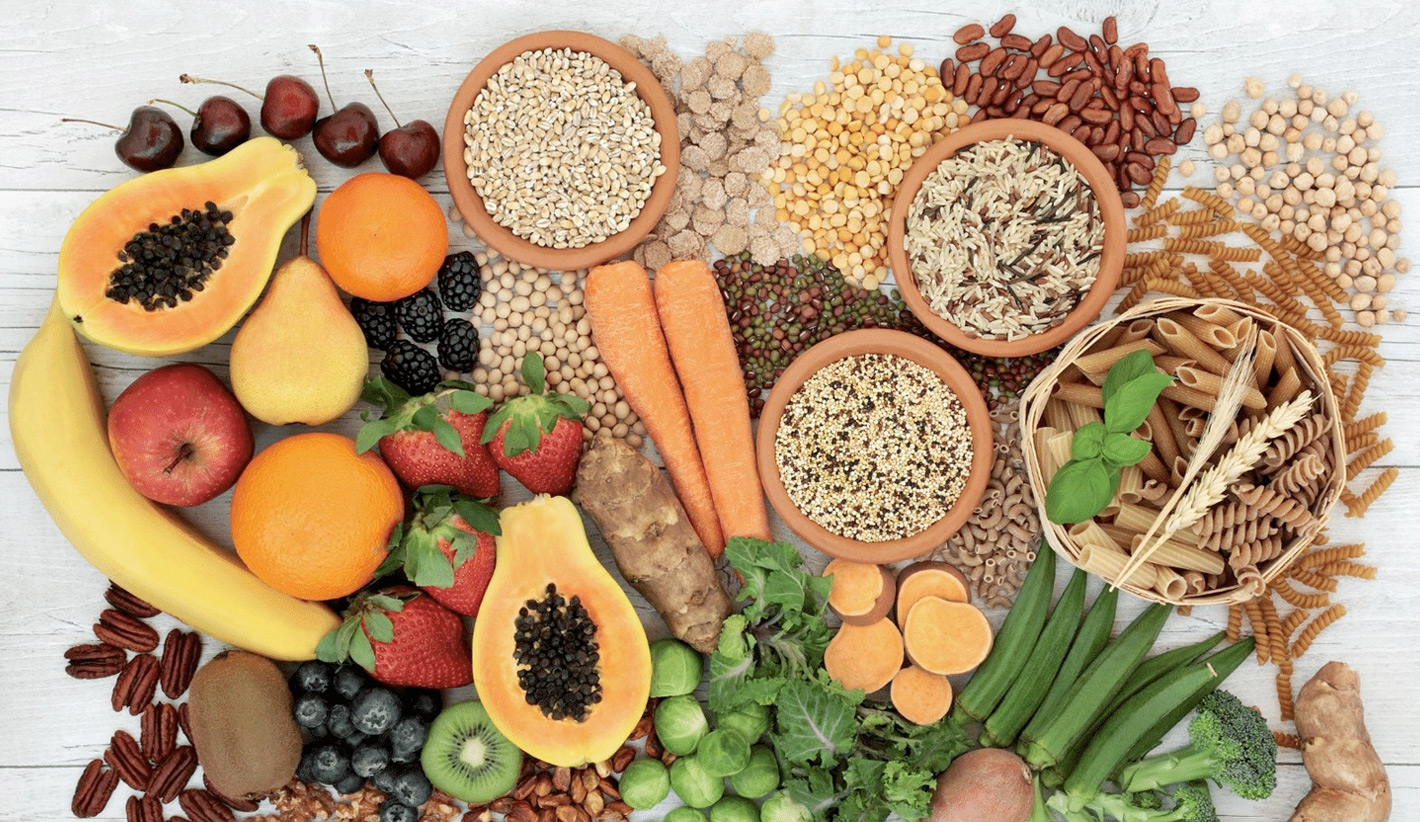
To successfully Fiber-Max, you must move beyond the basic recommendation of twenty-five grams per day. Most longevity experts now suggest aiming for forty to fifty grams of fiber from varied plant sources. This protocol prioritizes “The Rule of Thirty,” which encourages eating thirty different plant species every single week. This variety ensures that you are feeding different strains of bacteria with specialized types of prebiotic fibers. In addition, this approach makes your meals more colorful, flavorful, and nutritionally dense than traditional diets. However, jumping into high fiber levels too quickly can cause temporary digestive discomfort for the uninitiated.
Soluble vs. Insoluble: A Dynamic Duo
Understanding the difference between soluble and insoluble fiber is crucial for a balanced “Maxing” strategy. Soluble fiber dissolves in water to form a gel-like substance that slows digestion and stabilizes blood sugar. You can find high concentrations of this in oats, beans, apples, and various citrus fruits. Insoluble fiber adds bulk to the stool and helps food pass more quickly through the stomach and intestines. This type is prevalent in whole wheat, nuts, cauliflower, and the skins of most colorful vegetables. Furthermore, both types work together to sweep the digestive tract clean and improve overall metabolic health.
The Longevity Connection: Fiber and Cellular Aging
The most exciting developments in 2026 involve the direct link between fiber intake and telomere length. Telomeres are the protective caps on our DNA that naturally shorten as we age and undergo cellular stress. Studies suggest that individuals with high-fiber diets possess significantly longer telomeres compared to those on low-fiber regimens. This suggests that a high-fiber intake might actually slow down the biological clock at a fundamental cellular level. In addition, fiber helps regulate insulin sensitivity, which is a major factor in preventing age-related chronic diseases. Consequently, Fiber-Maxing is now considered a foundational “biohack” for those seeking a longer, more vibrant life.
Controlling Inflammation Through Fermentation
Chronic, low-grade inflammation is often called “inflammaging” because it accelerates the decline of our physical and mental systems. When your gut bacteria ferment fiber, they create a powerful anti-inflammatory environment throughout your entire body. These beneficial compounds travel through the blood to protect the brain, heart, and skin from oxidative damage. This means that your salad is doing much more than just helping you stay lean and fit. It is actively soothing the internal fires that lead to brain fog, joint pain, and cardiovascular issues. What’s interesting is how quickly these inflammatory markers can drop after just two weeks of high-fiber eating.
Advanced Strategies for Fiber Diversity
The “Secret” to 2026 gut health lies in the specific types of “resistant starches” you consume daily. Unlike regular starch, resistant starch escapes digestion in the small intestine and reaches the colon to feed the microbiome. You can create resistant starch by cooking and then cooling foods like potatoes, rice, and legumes. This simple temperature shift changes the molecular structure of the food, turning a simple carb into a gut-health powerhouse. Furthermore, incorporating ancient grains like teff, amaranth, and farro adds complex textures and unique fibers to your diet. In addition, these grains often contain higher protein levels than modern hybridized wheat varieties.
The Power of Seeds and “Micro-Fibers”
Small changes in your daily routine can lead to massive gains in your total fiber count by evening. Adding just two tablespoons of chia or flax seeds to your morning routine provides nearly ten grams of fiber. These seeds are also packed with omega-3 fatty acids, which further support the health of your gut lining. What’s interesting is that hemp hearts and basil seeds are also gaining popularity for their unique fiber profiles. These “micro-fibers” are easy to hide in smoothies, yogurts, or even sprinkled over avocado toast. However, you must remember to stay properly hydrated when increasing your intake of these highly absorbent seeds.
Overcoming the “Fiber Gap” in Modern Life
Despite the known benefits, the average person still consumes less than half of the recommended fiber amount. This “fiber gap” is largely responsible for the rise in metabolic syndrome and digestive issues in developed nations. Closing this gap requires a conscious effort to replace ultra-processed snacks with whole-plant alternatives. Instead of reaching for a protein bar, choose a handful of walnuts and a large pear. Small swaps, like using lentil pasta instead of white flour pasta, can double your fiber intake per meal. Furthermore, keeping pre-cut vegetables in the fridge makes it easier to hit your daily targets when life gets busy.
Navigating the Transition Period Safely
If your current diet is low in fiber, you should increase your intake slowly over several weeks. Your gut microbiome needs time to shift its population to handle the increased workload of fermentation. Starting with a massive bowl of beans might lead to bloating and gas if your system isn’t ready. Begin by adding one serving of fruit or a small side salad to your main meals. As your digestion stabilizes, gradually introduce more complex legumes and high-fiber grains into your rotation. In addition, drinking at least two liters of water daily is essential to help fiber move smoothly through your system.
The Brain-Gut Axis: Fiber and Mental Health
In 2026, we now recognize that the gut is essentially our “second brain” due to its complex nervous system. Fiber plays a starring role in this relationship by influencing the production of mood-regulating neurotransmitters like serotonin. In fact, about ninety percent of the body’s serotonin is produced in the gut by specialized cells. A high-fiber diet ensures these cells are well-nourished and capable of maintaining a stable, positive mood. Individuals who Fiber-Max often report better focus, reduced anxiety, and improved resilience to daily stressors. Furthermore, the stabilization of blood sugar prevents the “hangry” irritability associated with processed carbohydrate consumption.
Fiber as a Tool for Metabolic Flexibility
Metabolic flexibility is the body’s ability to switch between burning carbohydrates and fats for fuel efficiently. Fiber-Maxing supports this flexibility by preventing the massive insulin spikes that lock our bodies into “fat-storage” mode. Because fiber slows down the absorption of sugar, your energy levels remain steady for hours after eating. This eliminates the afternoon energy crash that sends many people searching for caffeine or sugary snacks. Consequently, high-fiber eaters often find it much easier to maintain a healthy weight without feeling deprived. What’s interesting is how fiber can actually reduce the total number of calories your body absorbs from a meal.
The Future of Fiber: Personalization and AI
As we move deeper into 2026, personalized nutrition apps are helping people fine-tune their fiber intake. By analyzing stool samples or continuous glucose monitors, AI can suggest the specific fibers your body needs most. Some people may thrive on higher levels of pectin, while others might need more cellulose or hemicellulose. This level of precision allows for a “targeted” Fiber-Maxing strategy that addresses specific health concerns or goals. Whether you want to improve athletic performance or cognitive longevity, there is a specific “fiber blueprint” for you. In addition, the rise of “precision prebiotics” is making it easier to supplement the gaps in our modern diets.
Crafting a Sustainable Fiber-Max Lifestyle
The key to long-term success with Fiber-Maxing is finding joy in the variety and abundance of plant foods. Experimenting with international cuisines, such as Mediterranean or plant-based Asian dishes, can keep your palate excited. Cooking with a wide range of spices and herbs not only adds flavor but also contributes to your plant-count goals. View your plate as a canvas for biodiversity rather than a chore of restricted eating habits. Furthermore, sharing high-fiber meals with friends and family reinforces the social and cultural aspects of health. Ultimately, the Fiber-Maxing movement is about celebrating the power of nature to heal and sustain our bodies.
Closing Thoughts on the Fiber Revolution
We are living in an era where we can finally quantify the profound impact of our food choices. Fiber-Maxing is not a temporary trend; it is a return to the dietary patterns that supported human evolution for millennia. By prioritizing the health of your microbiome, you are investing in a future of vitality and mental clarity. Every bean, seed, and leafy green you consume is a message to your cells to stay young and resilient. Embrace the “Secret” of 2026 and start your journey toward a higher-fiber life today. Your gut, your brain, and your future self will undoubtedly thank you for the extra effort.