

The 2026 Nootropic Diet, The concept of “brain food” has evolved from a simple marketing slogan into a sophisticated nutritional science. In 2026, the Nootropic Diet has emerged as the premier strategy for enhancing cognitive performance and emotional stability.
We no longer eat just for physical health or weight management. Instead, we select specific ingredients to modulate neurochemistry and optimize the brain’s processing power.
This approach focuses on the gut-brain axis and the precise nutrients required for neurotransmitter synthesis. By incorporating these five powerhouse foods, you can sharpen your focus and naturally boost your serotonin levels today.
The Rise of Cognitive Nutrition
Modern life demands an unprecedented level of mental endurance and emotional resilience. Chronic stress and digital distractions have made “brain fog” a common complaint in the professional world. Consequently, many high-performers are turning to nootropic foods to regain their mental edge. These foods contain bio-active compounds that cross the blood-brain barrier to protect and nourish neurons. Furthermore, they provide the raw materials necessary for the production of essential chemicals like dopamine and serotonin. What’s interesting is how quickly the brain responds to these targeted nutritional interventions.

Fatty Fish: The Foundation of Neural Integrity
Wild-caught fatty fish remains the undisputed king of the nootropic food pyramid. Species like wild salmon, sardines, and mackerel are rich in EPA and DHA omega-3 fatty acids. These essential fats form the structural components of the brain’s cell membranes and myelin sheaths. When your cells have sufficient omega-3s, they communicate more efficiently and resist inflammatory damage. This results in faster processing speeds and a more stable mood throughout the day. In addition, these healthy fats help regulate the production of Brain-Derived Neurotrophic Factor (BDNF).
Improving Synaptic Plasticity and Mood
BDNF is often described as “Miracle-Gro” for the brain because it supports the growth of new neurons. High levels of this protein are closely linked to improved learning, memory, and cognitive flexibility. Furthermore, the EPA found in fatty fish has powerful anti-inflammatory effects that directly impact serotonin function. Low-grade brain inflammation often disrupts the conversion of tryptophan into serotonin, leading to feelings of anxiety. By reducing this inflammation, fatty fish helps maintain a steady flow of “happiness chemicals.” However, to see these benefits, you should aim for at least three servings of fatty fish per week.
Lion’s Mane Mushrooms: Nature’s Nerve Growth Factor
The most significant nootropic breakthrough of 2026 involves the widespread use of Lion’s Mane mushrooms. This unique fungus contains two specific compounds, hericenones and erinacines, that stimulate nerve growth. These molecules are among the few natural substances capable of crossing the blood-brain barrier effectively. Once inside, they encourage the synthesis of Nerve Growth Factor (NGF), which repairs damaged neural pathways. This makes Lion’s Mane an essential food for anyone looking to prevent age-related cognitive decline. Furthermore, users often report a “clear-headed” sensation that enhances deep work and creative problem-solving.
Focus and Anxiety Reduction
What’s interesting is that Lion’s Mane does not just improve memory; it also stabilizes the emotional centers. Many clinical trials in 2026 have highlighted its ability to reduce symptoms of mild anxiety and depression. It achieves this by modulating the hippocampus, the area of the brain responsible for emotional regulation. When the hippocampus is healthy and well-nourished, you are better equipped to handle high-pressure situations. This makes Lion’s Mane a favorite among students and executives facing demanding deadlines. In addition, you can easily find it in powdered forms to add to morning coffee or smoothies.
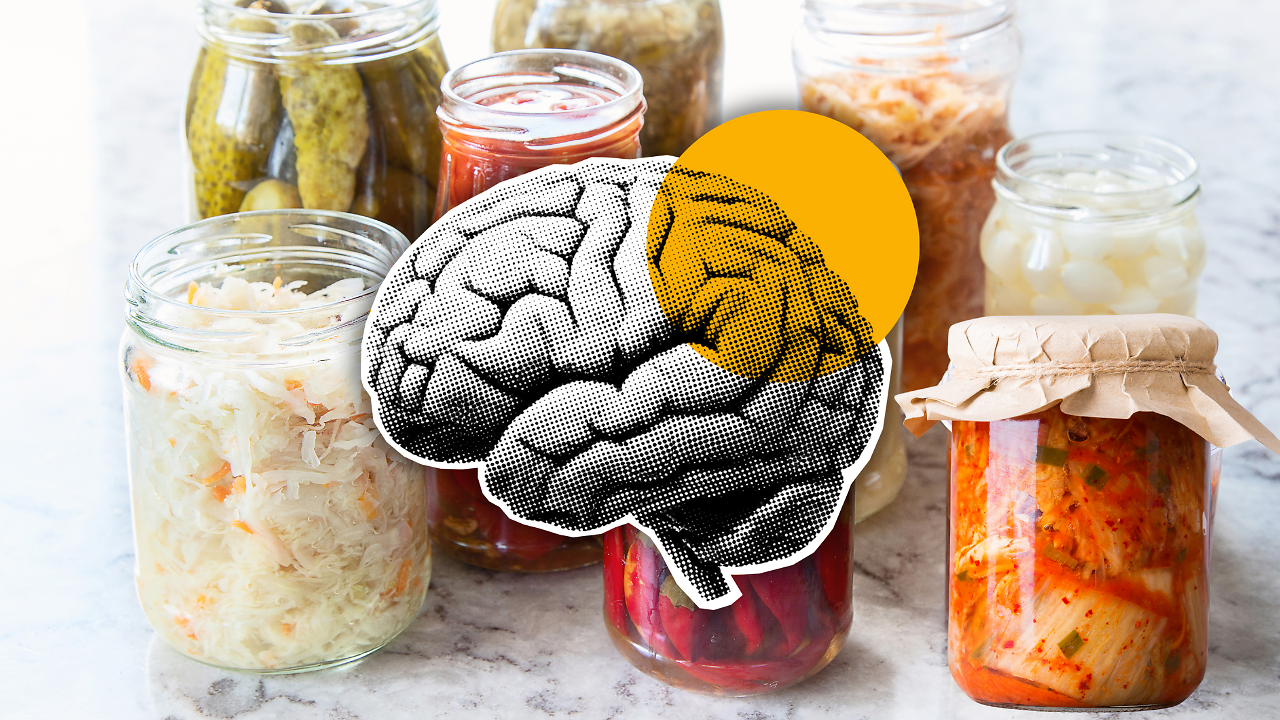
Fermented Foods: The Serotonin Factory
In 2026, we now recognize that about 90% of the body’s serotonin is produced in the gut. This makes fermented foods like kimchi, kefir, and sauerkraut vital components of a nootropic diet. These foods are teeming with live probiotics that support a healthy and diverse microbiome. A balanced gut environment communicates with the brain via the vagus nerve to influence mood and focus. If your gut is in a state of “dysbiosis,” your brain will likely suffer from increased irritability and fatigue. Therefore, eating a serving of fermented food daily is a direct investment in your mental well-being.
The Vagus Nerve and Cognitive Clarity
The connection between the gut and the brain is a two-way street that operates 24 hours a day. Probiotics help produce short-chain fatty acids that protect the brain from neurotoxins and oxidative stress. Furthermore, specific strains of bacteria have been identified as “psychobiotics” because of their direct impact on mental health. These bacteria help synthesize GABA, a neurotransmitter that promotes calmness and reduces “mental chatter.” By quieting the noise in your head, you can focus more deeply on the task at hand. Consequently, a healthy gut leads to a more resilient and focused mind in any environment.
Blueberries: The Anthocyanin Brain Shield
Blueberries are much more than a simple snack; they are a concentrated source of protective antioxidants. They contain high levels of anthocyanins, which give them their deep color and their neuroprotective properties. These compounds accumulate in the brain areas associated with memory and learning to prevent cellular damage. During a long workday, your brain produces “reactive oxygen species” that can lead to fatigue and errors. Anthocyanins neutralize these harmful molecules, allowing your brain to stay fresh for longer periods. In addition, blueberries have been shown to improve blood flow to the key cognitive centers.
Enhancing Working Memory and Logic
Improved blood flow means more oxygen and glucose reach the neurons that need them most. This results in significant improvements in “working memory,” which is the ability to hold and manipulate information. You might find it easier to juggle multiple tasks or remember complex instructions after a blueberry-rich meal. Furthermore, the long-term consumption of these berries is linked to a slower rate of cognitive aging. What’s interesting is that frozen blueberries retain just as many nutrients as fresh ones for your convenience. However, you should choose organic options whenever possible to avoid pesticide exposure that could harm brain health.

Dark Chocolate: The Quick-Acting Nootropic
High-quality dark chocolate, with at least 70% cocoa, is the ultimate “emergency” nootropic for immediate focus. Cocoa is rich in flavonoids that stimulate blood flow to the brain and improve reaction times. It also contains small amounts of caffeine and a larger amount of theobromine for a gentle energy boost. Unlike synthetic stimulants, dark chocolate provides a sustained lift without the dreaded “crash” or jitteriness. Furthermore, it contains phenylethylamine, the same chemical the brain produces when you feel a sense of excitement. This leads to an immediate improvement in mood and a reduction in perceived stress levels.
Magnesium and Mental Relaxation
Dark chocolate is also one of the best food sources of magnesium, a mineral essential for relaxation. Magnesium helps regulate the hypothalamic-pituitary-adrenal (HPA) axis, which is the body’s primary stress response system. A deficiency in magnesium often leads to insomnia, anxiety, and a reduced ability to concentrate on complex tasks. By providing a natural source of this mineral, dark chocolate helps keep your “stress thermometer” in check. In addition, the act of eating chocolate triggers a small release of endorphins for a quick mental reset. Consequently, a small square of dark chocolate is the perfect mid-afternoon snack for cognitive maintenance.
Crafting Your Nootropic Meal Plan
Incorporating these foods into your lifestyle does not require a complete overhaul of your current habits. Start by swapping your morning cereal for eggs and a side of smoked salmon or sardines. For lunch, add a generous scoop of kimchi or sauerkraut to your salad or grain bowl. Use blueberries as your primary snack throughout the afternoon to keep your energy levels stable. Lion’s Mane can be taken as a supplement or mixed into your favorite warm beverage before a deep work session. Finally, reward yourself with a piece of dark chocolate after dinner to satisfy cravings and support your brain.
The Importance of Hydration and Sleep
While these foods are powerful, they work best when supported by fundamental health pillars like hydration. Even mild dehydration can shrink brain tissue and lead to significant drops in concentration and memory. Drink plenty of filtered water throughout the day to ensure your brain can utilize the nutrients you eat. Furthermore, no amount of nootropic food can replace the cognitive restoration that occurs during deep sleep. Aim for seven to nine hours of quality rest to allow your brain to process information. In addition, try to limit your intake of ultra-processed sugars that cause brain-damaging inflammation.
The Future of Personalized Nootropics
As we move through 2026, the field of “nutrigenomics” is allowing for even more personalized brain diets. We are beginning to understand how our unique genetic makeup dictates our response to different nootropic compounds. For example, some people may require more choline for focus, while others need more magnesium for calm. In the near future, AI-driven apps will likely suggest specific meals based on your current cognitive load. This level of precision will allow us to “tune” our brains for specific professional or creative goals. Ultimately, the Nootropic Diet is about taking conscious control over your most valuable asset: your mind.