

What are Postbiotics?, The world of wellness has long been obsessed with the living bacteria found in our digestive tracts. For years, we focused on probiotics to add “good” bacteria and prebiotics to feed them during their stay.
However, 2026 marks the era of the “Postbiotic Revolution,” a shift toward understanding the actual waste products of these microbes. We are beginning to realize that the health benefits of fermented foods come primarily from these non-living compounds.
Postbiotics represent the molecular “tools” that microbes use to fix our bodies, improve our immunity, and sharpen our minds. This guide explores why these stable, powerful substances are the final piece of the gut health puzzle.
Defining the New Frontier of Biotics
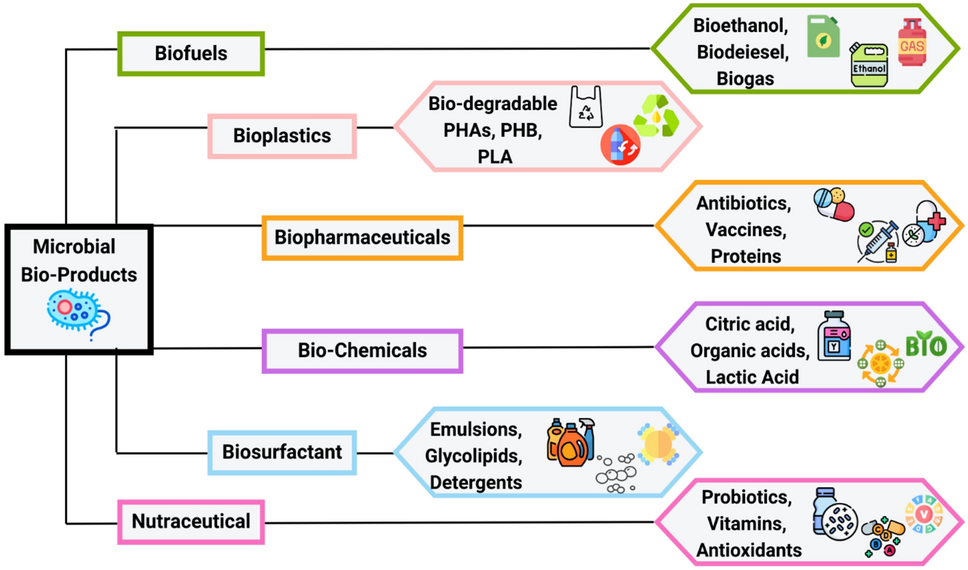
A postbiotic is technically defined as a preparation of inanimate microorganisms and their components that confers a health benefit. Unlike probiotics, which must stay alive to work, postbiotics are deliberately deactivated through heat or fermentation processes. This makes them incredibly stable and easy to include in everything from protein powders to daily skincare routines. They include metabolic byproducts like organic acids, enzymes, cell wall fragments, and specialized short-chain fatty acids like butyrate. Consequently, we no longer need to worry if the “live cultures” survived the journey through our stomach acid.
The Science of Microbial Byproducts
To understand postbiotics, you must view your gut as a tiny, high-tech chemical manufacturing plant in your abdomen. When your resident bacteria consume fiber, they “manufacture” a variety of chemical compounds as part of their metabolism. These chemicals act as signaling molecules that talk directly to your immune cells and your nervous system’s receptors. By consuming postbiotics directly, you bypass the need for a specific bacterial colony to produce them for you. This “direct-to-cell” delivery system ensures that your body receives the exact molecules it needs for optimal repair. Furthermore, this approach allows for precise dosing that live bacteria simply cannot guarantee in every individual.
The Power of Short-Chain Fatty Acids
The most famous members of the postbiotic family are short-chain fatty acids, specifically butyrate, acetate, and propionate. Butyrate serves as the primary fuel source for the cells lining your colon, known as colonocytes, keeping them healthy. A strong gut lining prevents “leaky gut” syndrome, where toxins slip into the bloodstream and cause systemic inflammation. What’s interesting is that butyrate also appears to influence gene expression related to metabolic health and insulin sensitivity. However, many people lack the specific bacteria needed to produce enough butyrate naturally from their daily diet. In addition, postbiotic supplements now provide a reliable way to boost these levels without relying on unpredictable fermentation.
Why Postbiotics are Changing the Supplement Industry
The supplement industry is embracing postbiotics because they solve the biggest challenges associated with traditional live-culture probiotics. Live bacteria are notoriously fragile and can die easily due to heat, moisture, or even simple shelf time. Postbiotics are heat-stable and have a much longer shelf life, making them ideal for modern, busy lifestyles. You can find them in shelf-stable beverages, baked goods, and even hot coffee without losing any biological activity. This versatility allows consumers to integrate gut-healing compounds into their existing habits without changing their entire morning routine. Furthermore, they offer a safer profile for individuals with severely compromised immune systems who cannot tolerate live bacteria.
Precision Health and Targeted Bioactivity
Modern postbiotic research focuses on identifying which specific bacterial fragments trigger the most powerful healing responses in the body. For example, specific cell wall components from certain lactobacillus strains can significantly enhance the skin’s natural moisture barrier. Other postbiotic enzymes are being used to target inflammation in the joints or even the cardiovascular system directly. This level of precision allows doctors to recommend specific “microbial tools” for unique health concerns like eczema or IBS. In addition, these compounds do not require a “loading phase” like traditional probiotics often do to show results. What’s interesting is that your body begins utilizing these signaling molecules almost immediately after you ingest them.

The Gut-Brain Axis: Mental Health and Postbiotics
One of the most exciting leaps in 2026 is the use of postbiotics to modulate the gut-brain axis. Your gut produces a significant portion of your body’s neurotransmitters, including serotonin and dopamine, through microbial interactions with fiber. Postbiotics act as the messengers that travel from the gut to the brain to influence your mood and focus. Specific postbiotic compounds can reduce the production of cortisol, the body’s primary stress hormone, leading to a calmer mind. Consequently, many people are using these substances as “psychobiotics” to manage daily anxiety and improve their mental resilience. Furthermore, the reduction in brain inflammation leads to better clarity and a noticeable decrease in afternoon “brain fog.”
Improving Sleep Quality through Microbial Signals
The relationship between your gut health and your sleep cycle is much deeper than scientists previously realized in the past. Certain postbiotics influenced by your circadian rhythm help regulate the production of melatonin, the hormone that triggers deep sleep. When your gut environment is imbalanced, your brain receives “noisy” signals that can keep you awake or restless. Consuming postbiotics in the evening can help soothe the nervous system and prepare the body for a restorative night. In addition, improved sleep further supports the growth of healthy bacteria, creating a positive feedback loop for your wellness. However, the best results come from combining postbiotic intake with a consistent, dark, and cool sleeping environment.
Natural Sources of Postbiotics in Your Kitchen
While supplements are convenient, you can also find a wealth of postbiotics in traditional fermented foods found in nature. Foods like genuine sourdough bread, apple cider vinegar, and aged cheeses are packed with these beneficial microbial byproducts. During the long fermentation process, bacteria break down the food and leave behind a complex “soup” of postbiotic chemicals. This is why some people who cannot tolerate dairy can often eat long-aged Parmesan or cheddar without any issues. The fermentation process essentially “pre-digests” the food and adds a layer of protective molecules to the final product. Furthermore, the pasteurization of these foods does not destroy the postbiotics, meaning even shelf-stable ferments provide value.
The Magic of Traditionally Fermented Sourdough
Sourdough bread is a perfect example of a postbiotic-rich food that has stood the test of cultural time. The slow fermentation of flour by wild yeast and lactic acid bacteria creates a host of beneficial organic acids. These acids lower the glycemic index of the bread and make its minerals much more bioavailable for your body. Even though the baking process kills the live bacteria, the postbiotic cell fragments and acids remain in the loaf. This makes sourdough a much more nutritious and gut-friendly option than standard commercial bread made with industrial yeast. In addition, the unique peptides formed during fermentation can help soothe the digestive tract and reduce inflammatory responses.
Postbiotics in Skincare: The 2026 Beauty Trend
The “beauty from within” movement has finally merged with external skincare through the innovative use of postbiotic ingredients. Many high-end serums now include fermented lysates, which are essentially the “insides” of beneficial bacteria that have been broken down. These postbiotic fragments communicate with the skin’s own microbiome to reinforce the acid mantle and lock in deep moisture. They are particularly effective for people with sensitive skin who react poorly to harsh chemicals or strong active acids. By mimicking the skin’s natural defense molecules, postbiotics help reduce redness and protect against environmental pollutants like urban smog. Furthermore, they support the skin’s ability to repair itself after sun exposure or minor abrasions during the day.
Strengthening the Skin’s Immune Response
Your skin is your largest immune organ, and it relies on microbial signals to stay alert and healthy over time. Postbiotics provide the “training” your skin cells need to distinguish between helpful and harmful environmental factors in the world. This leads to a more resilient complexion that is less prone to breakouts or inflammatory conditions like rosacea or acne. Many dermatologists now recommend postbiotic-infused cleansers to maintain the delicate balance of the skin’s unique and fragile ecosystem. In addition, these products help accelerate the turnover of dead skin cells for a more youthful and radiant glow. What’s interesting is how these microbial signals can actually slow down the visual signs of aging in the face.
The Future: Personalized Postbiotic Blueprints
As we look toward the end of the decade, the focus is shifting toward personalized “Postbiotic Blueprints” for every individual. By analyzing a simple stool or blood sample, AI can determine which specific microbial byproducts your body is missing. You might receive a custom blend of butyrate and specific enzymes tailored to your unique metabolic and genetic profile. This level of customization will make generic “one-size-fits-all” gut health advice a relic of the past for many. Furthermore, it will allow for more effective management of chronic conditions by addressing the root molecular imbalances in the gut. Ultimately, postbiotics are giving us the keys to take total control over our internal chemical manufacturing plant.
Sustainable Health and Global Accessibility
One of the most profound benefits of the postbiotic leap is its potential for global health and sustainable nutrition. Because they do not require refrigeration and have long shelf lives, they can be easily transported to remote areas. This allows for the fortification of staple foods in developing regions with life-saving immune and metabolic support molecules. Postbiotics represent a scalable solution to the global “fiber gap” and the resulting rise in modern metabolic diseases. By making these powerful molecules accessible to everyone, we can significantly improve the baseline of human health worldwide. Consequently, the next leap in gut health is not just about personal wellness, but about collective human resilience.