
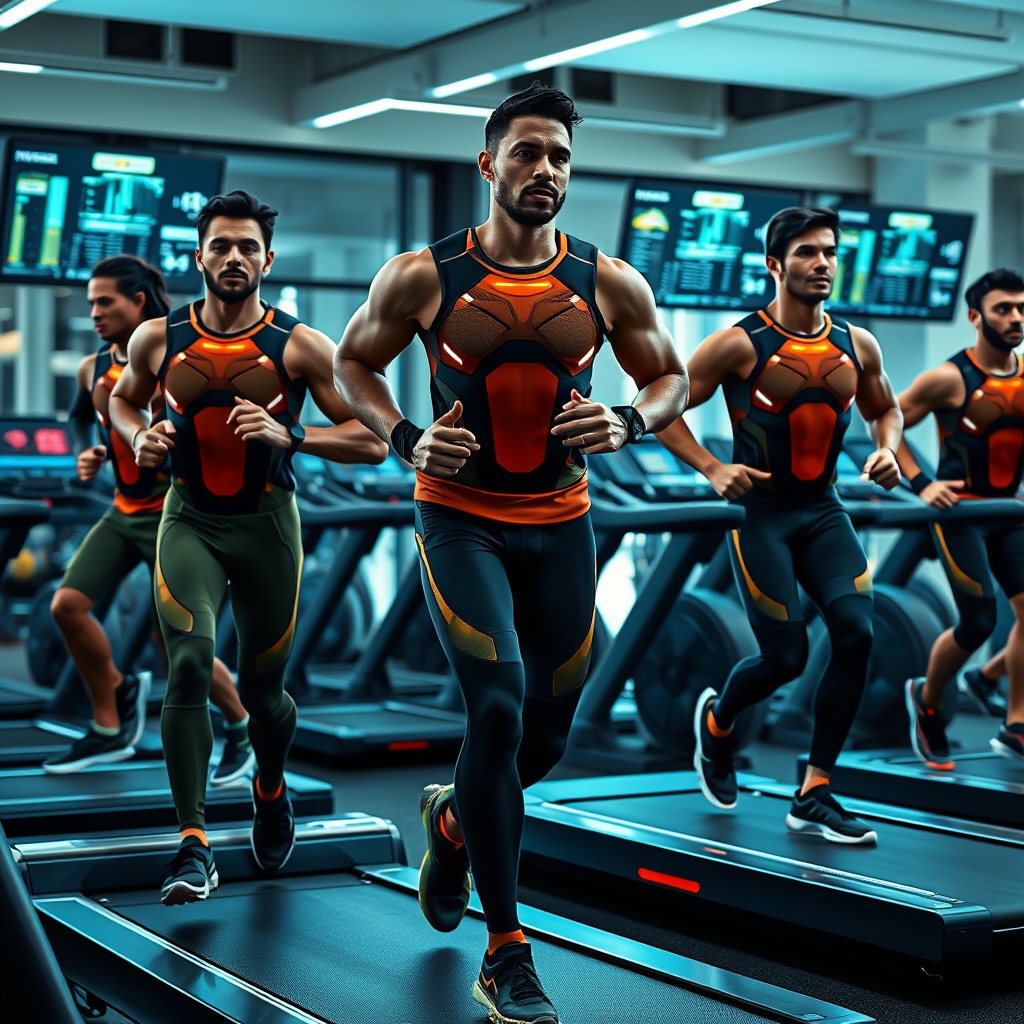
Men activewear in 2026 represents the pinnacle of innovation, blending cutting-edge technology with sustainable design to redefine performance and comfort. By next year, the global activewear market for men is projected to exceed $250 billion, driven by advancements in fabric engineering, smart textiles, and eco-conscious manufacturing. Whether you’re a professional athlete, a fitness enthusiast, or someone who values style and functionality, the latest trends in men’s activewear will elevate your workout experience while aligning with environmental responsibility.
In addition to performance, aesthetics play a crucial role in the evolution of men’s activewear. Brands are shifting toward bold, minimalist designs that transition seamlessly from the gym to casual outings. Furthermore, the integration of wearable technology into fabrics is no longer a futuristic concept—it’s becoming a standard feature. These innovations ensure that men’s activewear in 2026 is not just about looking good but also about enhancing performance and well-being.
What Are the Key Trends Shaping Men Activewear 2026?
The future of men’s activewear is defined by three major trends: sustainability, smart fabrics, and versatility. First, sustainability takes center stage as brands prioritize recycled materials, biodegradable fabrics, and carbon-neutral production processes. By 2026, over 60% of activewear brands will adopt circular fashion models, reducing waste and promoting longevity in their products.
Second, smart fabrics embedded with sensors and microchips are revolutionizing how athletes monitor their performance. These textiles can track heart rate, muscle activity, and even hydration levels in real time. Besides improving training efficiency, they provide personalized feedback to optimize workouts. However, the challenge lies in making this technology accessible without compromising comfort or affordability.
Lastly, versatility remains a top priority. Men activewear in 2026 is designed to adapt to multiple settings, from high-intensity workouts to everyday wear. Modular designs, convertible pieces, and multi-functional layers ensure that one outfit can serve multiple purposes, reducing the need for excessive wardrobe changes.
How Are Brands Incorporating Sustainability into Men Activewear?
Sustainability is no longer an optional feature—it’s a necessity. Leading brands are investing in eco-friendly materials like recycled polyester, organic cotton, and plant-based alternatives such as algae-based fabrics. These materials not only reduce environmental impact but also offer superior breathability and durability.
In addition, brands are adopting zero-waste production techniques, where fabric scraps are repurposed into new garments. Furthermore, waterless dyeing processes and energy-efficient manufacturing are becoming industry standards. By 2026, consumers can expect activewear that aligns with their values without sacrificing performance or style.
Will Smart Fabrics Become the New Standard in Men Activewear?
Smart fabrics are rapidly gaining traction, and by 2026, they will be a defining feature of high-performance men’s activewear. These fabrics integrate microelectronics to monitor biometrics, regulate temperature, and even charge devices on the go. For example, compression shirts with built-in ECG sensors can detect irregular heart rhythms during workouts, providing real-time health insights.
Moreover, adaptive fabrics that adjust to body temperature are becoming increasingly popular. These textiles use phase-change materials to keep athletes cool in hot conditions and warm in cold environments. However, the adoption of smart fabrics depends on affordability, as current models can cost upwards of $150 per garment. As technology advances, prices are expected to drop, making these innovations accessible to a broader audience.
What Role Does Versatility Play in Men Activewear 2026?
Versatility is a game-changer in men’s activewear, allowing consumers to maximize their wardrobe with minimal pieces. Convertible jackets that transform into vests, pants with removable legs, and reversible tops are just a few examples of how brands are catering to multi-functional needs. This trend not only enhances convenience but also reduces consumption, aligning with sustainable fashion principles.
Besides functionality, versatility extends to style. Neutral color palettes, sleek silhouettes, and athleisure-inspired designs ensure that activewear seamlessly transitions from the gym to social settings. By 2026, men will no longer need separate outfits for workouts and casual outings—one well-designed piece will do it all.
How Will Men Activewear 2026 Impact Performance and Comfort?
The future of men’s activewear prioritizes both performance and comfort through advanced fabric technologies. Moisture-wicking materials, such as those infused with graphene, are becoming standard, ensuring sweat is quickly evaporated to keep athletes dry. Additionally, seamless construction minimizes chafing and irritation, enhancing overall comfort during intense workouts.
Furthermore, ergonomic designs tailored to specific sports are gaining popularity. For instance, running shorts with built-in compression liners improve muscle support, while weightlifting apparel features reinforced stitching for durability. These innovations ensure that men’s activewear in 2026 is not just stylish but also optimized for peak performance.
What Are the Most Anticipated Color and Design Trends for Men Activewear 2026?
Color and design trends for men’s activewear in 2026 reflect a blend of boldness and subtlety. Earthy tones like olive green, terracotta, and deep navy dominate the palette, offering a sophisticated yet versatile look. Meanwhile, vibrant accents in electric blue, neon yellow, and fiery red add a dynamic touch to performance wear, catering to those who prefer high-energy aesthetics.
Design-wise, minimalist logos and clean lines are replacing loud branding, appealing to consumers who value understated elegance. Additionally, geometric patterns and asymmetrical cuts are making a comeback, adding a modern edge to classic activewear staples. These trends ensure that men’s activewear remains stylish while meeting the demands of performance-driven athletes.
FAQ: Your Top Questions About Men Activewear 2026 Answered
What Are the Best Fabrics for Men Activewear in 2026?
The best fabrics for men’s activewear in 2026 include recycled polyester, merino wool, and bamboo-based textiles. These materials offer superior moisture-wicking properties, breathability, and durability. Smart fabrics with embedded sensors are also gaining popularity for performance tracking.
How Much Will High-Tech Men Activewear Cost in 2026?
High-tech men’s activewear, such as smart fabrics with biometric tracking, is expected to range between $100 and $300 in 2026. However, as technology becomes more mainstream, prices may drop by 20-30%, making these innovations more accessible to everyday consumers.
Can Men Activewear 2026 Be Both Stylish and Functional?
Absolutely. Men’s activewear in 2026 is designed to be both stylish and functional, with versatile pieces that transition seamlessly from workouts to casual wear. Brands are focusing on sleek, minimalist designs that prioritize performance without compromising aesthetics.
As we approach 2026, men’s activewear continues to evolve, merging technology, sustainability, and style into one cohesive experience. Whether you’re an athlete or a fashion-forward individual, the future of activewear promises to enhance your performance while keeping you ahead of the trends. Stay ahead of the curve and embrace the innovations that define men activewear 2026.