
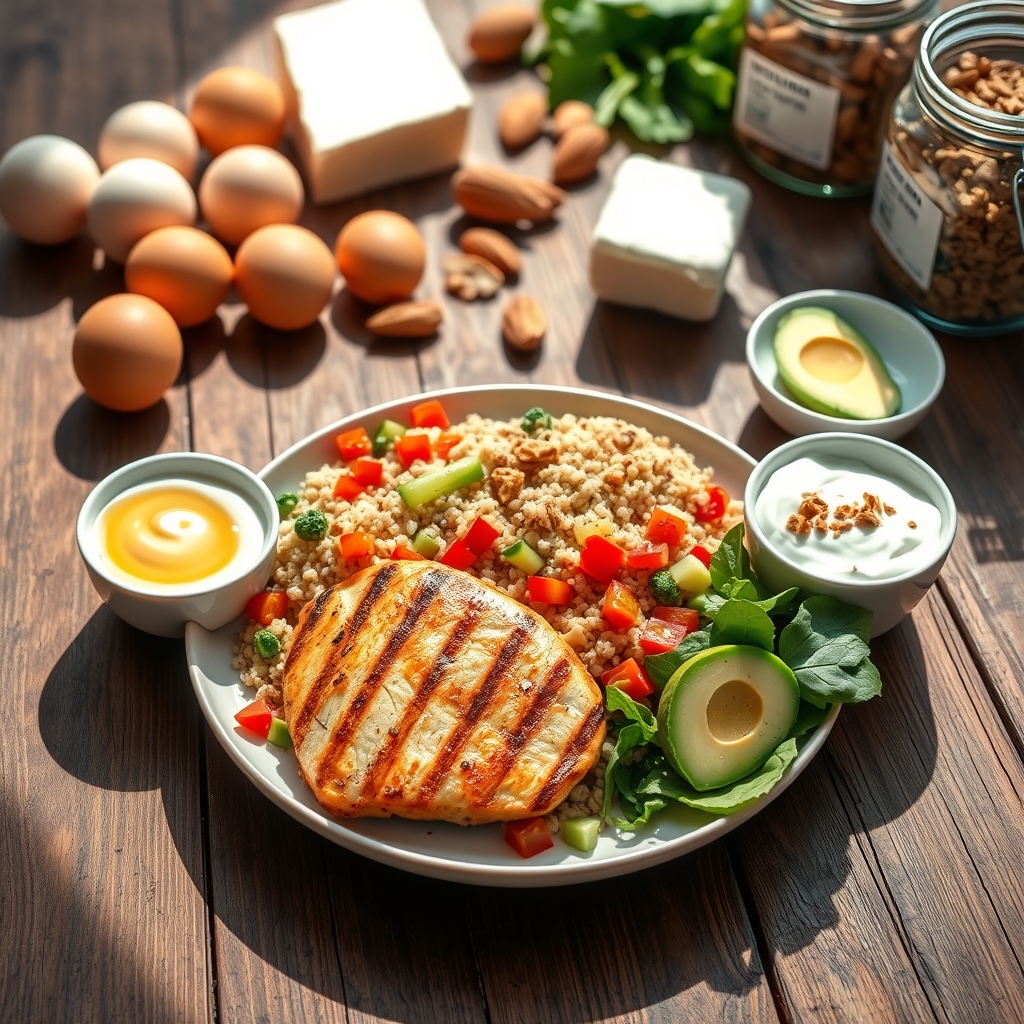
High protein recipes are meals designed to maximize your protein intake, supporting muscle growth, repair, and overall health. Whether you’re an athlete, fitness enthusiast, or simply looking to maintain a balanced diet, incorporating high-protein foods into your meals can help you feel fuller for longer, stabilize blood sugar levels, and enhance recovery. Protein is essential for nearly every bodily function, from building enzymes to strengthening bones, making it a cornerstone of a nutritious diet. With the rising popularity of high-protein diets, there’s never been a better time to explore delicious and easy-to-make recipes that fit your lifestyle.
Incorporating high protein recipes into your daily routine doesn’t have to be complicated or time-consuming. Many of these meals can be prepared in under 30 minutes, using simple ingredients you likely already have in your kitchen. Furthermore, high-protein diets have been shown to aid in weight management by reducing cravings and increasing satiety. A 2023 study found that individuals who consumed 25-30% of their daily calories from protein experienced a 60% reduction in late-night snacking. This makes high-protein meals an excellent choice for those looking to maintain or lose weight without sacrificing flavor or nutrition.
Why Should You Prioritize High Protein Recipes?
Protein is a macronutrient that plays a critical role in nearly every process within your body. It’s made up of amino acids, which are the building blocks of muscles, skin, hormones, and enzymes. Without adequate protein intake, your body may struggle to repair tissues, maintain immune function, or even produce essential neurotransmitters. For active individuals, protein is particularly important, as it helps repair muscle fibers damaged during exercise, leading to stronger and more resilient muscles over time.
Besides its role in muscle repair, protein also helps regulate hunger hormones, making it easier to control your appetite. Unlike carbohydrates, which can cause blood sugar spikes and crashes, protein provides a steady source of energy. This is why high protein recipes are often recommended for those managing diabetes or insulin resistance. Additionally, protein has a higher thermic effect compared to fats and carbs, meaning your body burns more calories digesting and metabolizing it. This can contribute to a modest increase in metabolism, supporting your weight loss or maintenance goals.
How Much Protein Do You Really Need?
The recommended daily intake of protein varies depending on factors like age, activity level, and overall health. For the average sedentary adult, the Dietary Reference Intake (DRI) suggests 0.8 grams of protein per kilogram of body weight. However, this number increases significantly for those who are physically active. Athletes or individuals engaging in strength training may require up to 1.6-2.2 grams of protein per kilogram of body weight to support muscle growth and recovery.
For example, a 70-kilogram (154-pound) person who exercises regularly would need approximately 112-154 grams of protein per day. This might sound like a lot, but with the right high protein recipes, meeting your daily requirements can be both delicious and effortless. Besides, spreading your protein intake throughout the day—rather than consuming it all in one meal—can optimize muscle protein synthesis and keep you feeling energized.
What Are the Best High Protein Ingredients to Include in Your Meals?
When crafting high protein recipes, it’s important to choose ingredients that are not only rich in protein but also versatile and easy to incorporate into various dishes. Lean meats like chicken breast, turkey, and lean cuts of beef are excellent sources of high-quality protein. A single 100-gram serving of chicken breast provides about 31 grams of protein, making it a staple in many high-protein diets. Fish, such as salmon, tuna, and cod, are also fantastic options, offering additional benefits like omega-3 fatty acids, which support heart health.
For those following a plant-based diet, there are plenty of high-protein alternatives to explore. Legumes like lentils, chickpeas, and black beans are packed with protein and fiber, making them ideal for hearty stews, salads, and veggie burgers. Tofu, tempeh, and edamame are also excellent sources of plant-based protein, with a 100-gram serving of firm tofu providing around 10 grams of protein. Additionally, dairy products like Greek yogurt, cottage cheese, and milk are convenient and delicious ways to boost your protein intake, especially for breakfast or snacks.
Can High Protein Recipes Be Budget-Friendly?
One common misconception about high protein recipes is that they are expensive to prepare. However, this doesn’t have to be the case. Many affordable protein sources can be just as nutritious and satisfying as their pricier counterparts. For instance, eggs are one of the most cost-effective protein sources available, with a single large egg containing about 6 grams of protein. A dozen eggs typically costs around $2-3, making them an excellent option for budget-conscious meal planning.
In addition to eggs, canned tuna, frozen chicken breasts, and dried beans are all budget-friendly protein sources that can be used in a variety of high protein recipes. Buying in bulk or opting for store-brand products can further reduce costs without compromising on quality. Furthermore, meal prepping high-protein meals in advance can save both time and money, as it reduces the temptation to order takeout or purchase convenience foods. With a little planning, you can enjoy delicious, protein-packed meals without breaking the bank.
How Can You Make High Protein Recipes Quick and Easy?
Busy schedules often leave little time for elaborate meal preparation, but that doesn’t mean you have to sacrifice nutrition. Many high protein recipes can be whipped up in 20 minutes or less, using just a handful of ingredients. For example, a simple Greek yogurt parfait with granola and berries takes less than 5 minutes to assemble and provides around 20 grams of protein. Similarly, a scrambled egg wrap with spinach and feta can be ready in under 10 minutes, offering a balanced and satisfying meal on the go.
Another time-saving strategy is to batch-cook high-protein ingredients at the beginning of the week. Grilled chicken, hard-boiled eggs, and cooked quinoa can be stored in the fridge for up to 4 days, making it easy to throw together a quick salad, stir-fry, or grain bowl. Slow cookers and Instant Pots are also invaluable tools for preparing high protein recipes with minimal effort. For instance, a protein-packed chili made with ground turkey, beans, and tomatoes can simmer in a slow cooker for hours, requiring little more than a few minutes of prep time.
What Are Some Delicious High Protein Breakfast Ideas?
Starting your day with a high-protein breakfast can set the tone for better energy levels and reduced cravings throughout the day. One of the simplest and most effective high protein recipes for breakfast is a smoothie made with Greek yogurt, almond milk, and a scoop of protein powder. This combination provides around 25-30 grams of protein and can be customized with fruits, nuts, or seeds for added flavor and nutrition. Another quick option is overnight oats, where rolled oats are soaked in milk or yogurt and topped with chia seeds, nuts, and a drizzle of honey.
For those who prefer savory breakfasts, a veggie omelet made with egg whites, spinach, mushrooms, and feta cheese is a fantastic choice. A three-egg omelet can deliver up to 18 grams of protein, along with a variety of vitamins and minerals. If you’re short on time, a slice of whole-grain toast topped with avocado and a poached egg can be prepared in minutes and provides a balanced mix of protein, healthy fats, and fiber. These high protein recipes are not only delicious but also keep you full and focused until your next meal.
Are High Protein Recipes Suitable for Weight Loss?
High protein recipes are often recommended for weight loss due to their ability to promote satiety and reduce overall calorie intake. When you consume protein, your body releases hormones that signal fullness, which can help prevent overeating. Additionally, protein has a higher thermic effect than carbohydrates or fats, meaning your body burns more calories digesting it. This can contribute to a slight increase in metabolism, making it easier to create a calorie deficit without feeling deprived.
A 2022 meta-analysis found that individuals who increased their protein intake to 25-30% of their daily calories lost an average of 1.2 more pounds per month compared to those who consumed less protein. This effect was even more pronounced when combined with regular exercise. High protein recipes can also help preserve lean muscle mass during weight loss, which is crucial for maintaining a healthy metabolism. Unlike crash diets that often lead to muscle loss, a high-protein approach ensures that you’re losing fat while keeping your muscles strong and toned.
FAQ: Common Questions About High Protein Recipes
Can High Protein Recipes Help Build Muscle?
Yes, high protein recipes are essential for muscle growth and repair. When you consume protein, your body breaks it down into amino acids, which are used to repair and build muscle fibers damaged during exercise. To maximize muscle growth, aim to consume 20-40 grams of protein per meal, spread evenly throughout the day. Combining high protein recipes with strength training exercises can significantly enhance muscle hypertrophy and overall strength.
Are There Any Risks Associated with a High-Protein Diet?
While high protein recipes offer numerous benefits, consuming excessive amounts of protein can strain your kidneys, especially if you have pre-existing kidney conditions. It’s also important to stay hydrated, as a high-protein diet can increase your body’s water needs. Additionally, relying too heavily on animal-based proteins may lead to an imbalance in your diet, so it’s best to include a variety of protein sources, including plant-based options. Always consult with a healthcare provider or nutritionist before making significant changes to your diet.
What Are Some High Protein Snacks for On-the-Go?
High protein snacks are a great way to keep your energy levels stable between meals. Some easy and portable options include Greek yogurt with a handful of almonds, cottage cheese with sliced fruit, or a protein bar with at least 15 grams of protein. Hard-boiled eggs, turkey slices wrapped in lettuce, and roasted chickpeas are also convenient choices. These snacks are not only delicious but also help curb hunger and prevent overeating at your next meal.
Incorporating high protein recipes into your diet is a simple and effective way to support your health, whether your goal is to build muscle, lose weight, or simply feel your best. With a little creativity and planning, you can enjoy a variety of delicious, protein-packed meals that fit seamlessly into your lifestyle. Start experimenting with these recipes today and experience the benefits of a high-protein diet for yourself.