
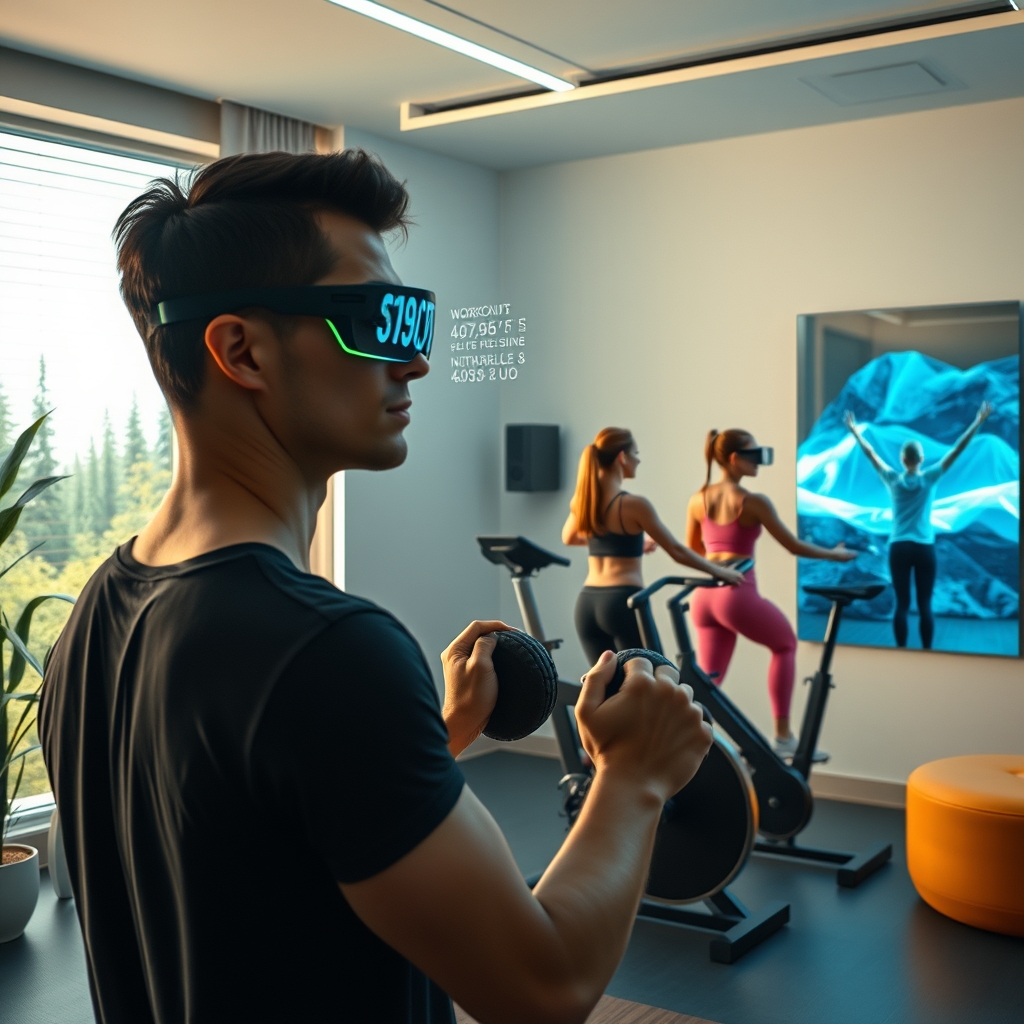
Fitness tech in 2026 is revolutionizing how we exercise, track progress, and prioritize wellness by blending cutting-edge technology with personalized health solutions. From AI-powered wearables to immersive virtual training, the next generation of fitness innovation is smarter, more intuitive, and seamlessly integrated into daily life. By 2026, the global fitness technology market is projected to exceed $120 billion, driven by advancements in biometric sensors, augmented reality, and data-driven coaching. Whether you’re a casual gym-goer or a professional athlete, these tools are designed to optimize performance, prevent injuries, and make fitness more accessible than ever before.
What Are the Most Anticipated Fitness Tech Trends in 2026?
As we approach 2026, several groundbreaking trends are set to dominate the fitness tech landscape. One of the most exciting developments is the rise of AI-driven personal trainers. These virtual coaches analyze real-time biometric data to create hyper-personalized workout plans, adjusting intensity and form corrections on the fly. Imagine a fitness app that not only tracks your reps but also predicts when you’re at risk of overexertion—all while adapting to your mood and energy levels.
Furthermore, wearable technology is evolving beyond basic step counting. Next-gen smartwatches and fitness bands will feature advanced sensors capable of monitoring blood glucose levels, hydration, and even stress biomarkers. For instance, some devices will use optical sensors to detect muscle fatigue, helping users avoid injuries before they occur. With battery life extending to weeks and designs becoming more stylish, wearables will feel less like gadgets and more like essential accessories.
How Will Virtual and Augmented Reality Transform Workouts?
Virtual reality (VR) and augmented reality (AR) are no longer just for gaming—they’re becoming powerful tools for fitness. By 2026, VR fitness platforms will offer fully immersive environments where users can cycle through scenic landscapes, spar with virtual opponents, or join live group classes from anywhere in the world. These experiences make workouts more engaging, reducing the monotony of traditional exercise routines.
Besides entertainment, AR is enhancing real-world training. Smart glasses and AR-enabled mirrors will overlay performance metrics, form corrections, and motivational cues directly into your field of vision. For example, a runner could see their pace, heart rate, and route guidance projected onto their path, eliminating the need to glance at a watch. Gyms are also adopting AR to create interactive workout stations, where users receive instant feedback on their technique.
Can Fitness Tech Improve Mental Wellness Too?
Fitness technology in 2026 isn’t just about physical health—it’s increasingly focused on mental well-being. AI-powered meditation apps will use voice analysis and biometric data to detect stress levels, then guide users through personalized breathing exercises or mindfulness sessions. Some wearables will even vibrate gently to remind users to take deep breaths during high-stress moments.
In addition, sleep optimization is becoming a major focus. Advanced sleep trackers will not only monitor sleep stages but also adjust room temperature, lighting, and even soundscapes to improve rest quality. By 2026, 65% of fitness tech users will prioritize sleep tracking as much as step counting, recognizing its critical role in overall health. These innovations ensure that fitness tech supports a holistic approach to wellness, addressing both body and mind.
Will Smart Home Gyms Replace Traditional Fitness Centers?
Smart home gyms are gaining traction, offering a convenient alternative to traditional fitness centers. By 2026, compact, AI-powered home gym systems will provide studio-quality workouts with minimal equipment. These setups use motion sensors and resistance technology to simulate weights, cables, and even rowing machines, all while tracking performance in real time.
However, gyms aren’t disappearing—they’re evolving. Many fitness centers are integrating smart tech to enhance member experiences. For example, connected machines will sync with wearables to auto-adjust resistance based on user data, while interactive screens provide on-demand coaching. The hybrid model, combining home workouts with occasional gym visits, will likely become the norm, offering flexibility without sacrificing quality.
What Role Will Sustainability Play in Fitness Tech?
Sustainability is becoming a key consideration in fitness technology. By 2026, eco-friendly materials like biodegradable plastics and recycled metals will be standard in wearable production. Companies are also focusing on energy efficiency, with solar-powered fitness trackers and self-charging devices reducing electronic waste.
Besides hardware, fitness apps are promoting sustainable habits. Some platforms will reward users for eco-friendly actions, such as walking instead of driving or participating in community clean-up events. This shift reflects a growing awareness that personal health and planetary health are interconnected, encouraging users to make choices that benefit both.
FAQ: Your Top Fitness Tech 2026 Questions Answered
How Accurate Will Wearable Fitness Tech Be in 2026?
Wearable accuracy will improve dramatically by 2026, with error margins dropping below 5% for metrics like heart rate and calorie burn. Advanced sensors and AI algorithms will refine data interpretation, making wearables nearly as precise as medical-grade devices. For example, some high-end models will achieve 98% accuracy in tracking VO2 max, a key indicator of cardiovascular fitness.
What’s the Expected Cost of Next-Gen Fitness Tech?
Prices will vary, but mid-range smartwatches and fitness bands will likely cost between $150 and $300, offering features previously found only in premium models. High-end VR fitness systems may range from $500 to $1,500, depending on hardware quality and software subscriptions. However, subscription-based services for AI coaching and virtual classes could add $10 to $30 per month to the total cost.
Will Fitness Tech in 2026 Be Accessible to Everyone?
Accessibility is a growing priority, with companies developing budget-friendly options and inclusive designs. Voice-controlled interfaces, larger displays, and adaptive workout programs will cater to users with disabilities. Additionally, community-based initiatives and corporate wellness programs will make fitness tech more affordable, ensuring that advancements benefit a diverse range of users.
Fitness tech in 2026 is set to redefine how we approach health, blending innovation with personalization to create smarter, more effective solutions. From AI-driven coaching to sustainable wearables, these advancements will make fitness more engaging, accessible, and tailored to individual needs. As technology continues to evolve, the line between fitness and daily life will blur, empowering everyone to achieve their wellness goals with greater ease and precision.